Last updated November 22, 2026
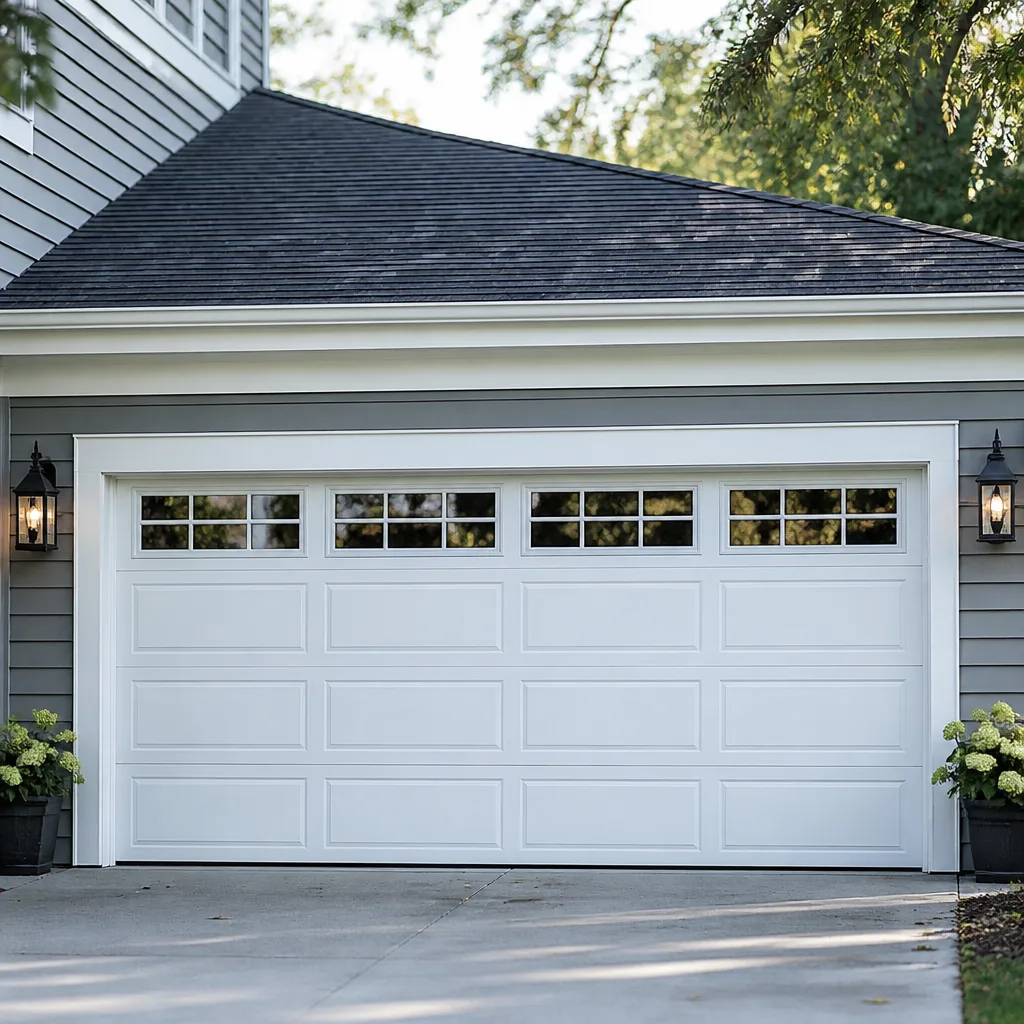
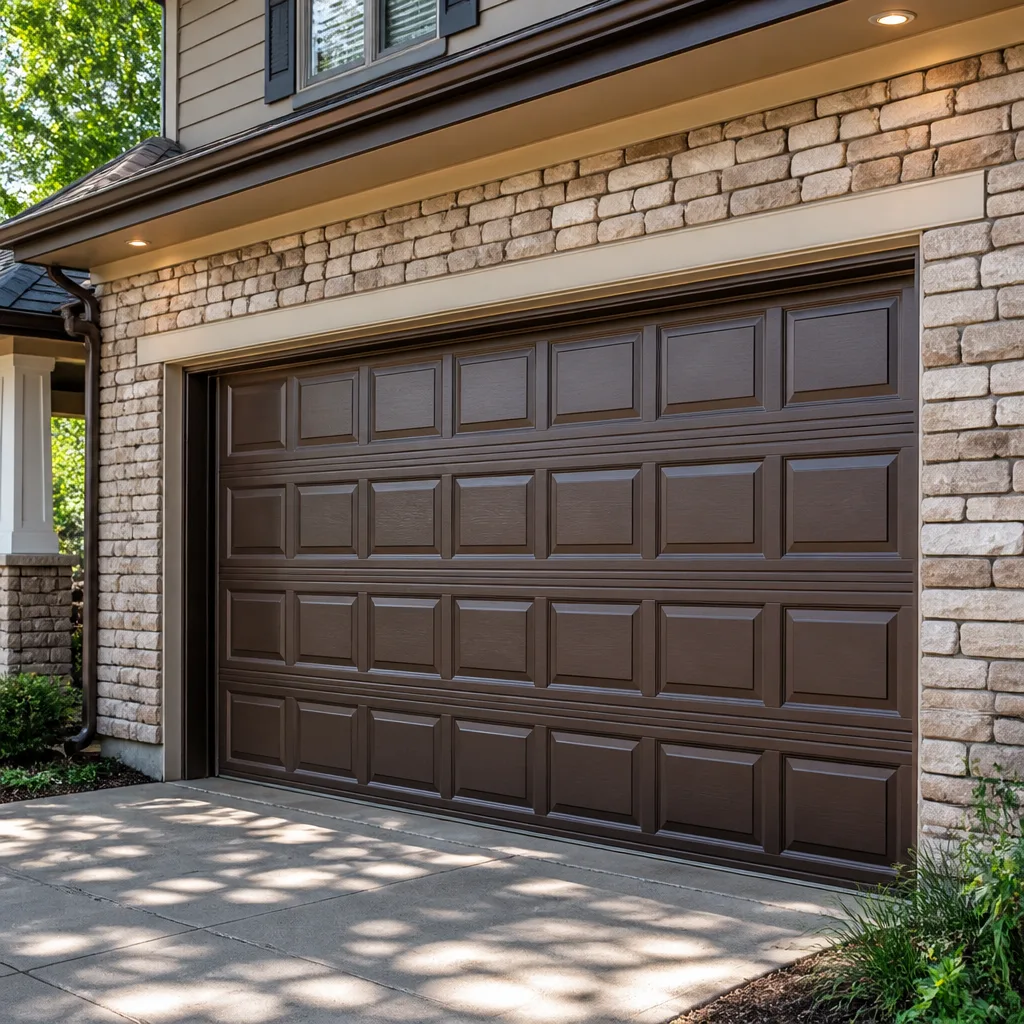 Raised-panel steel
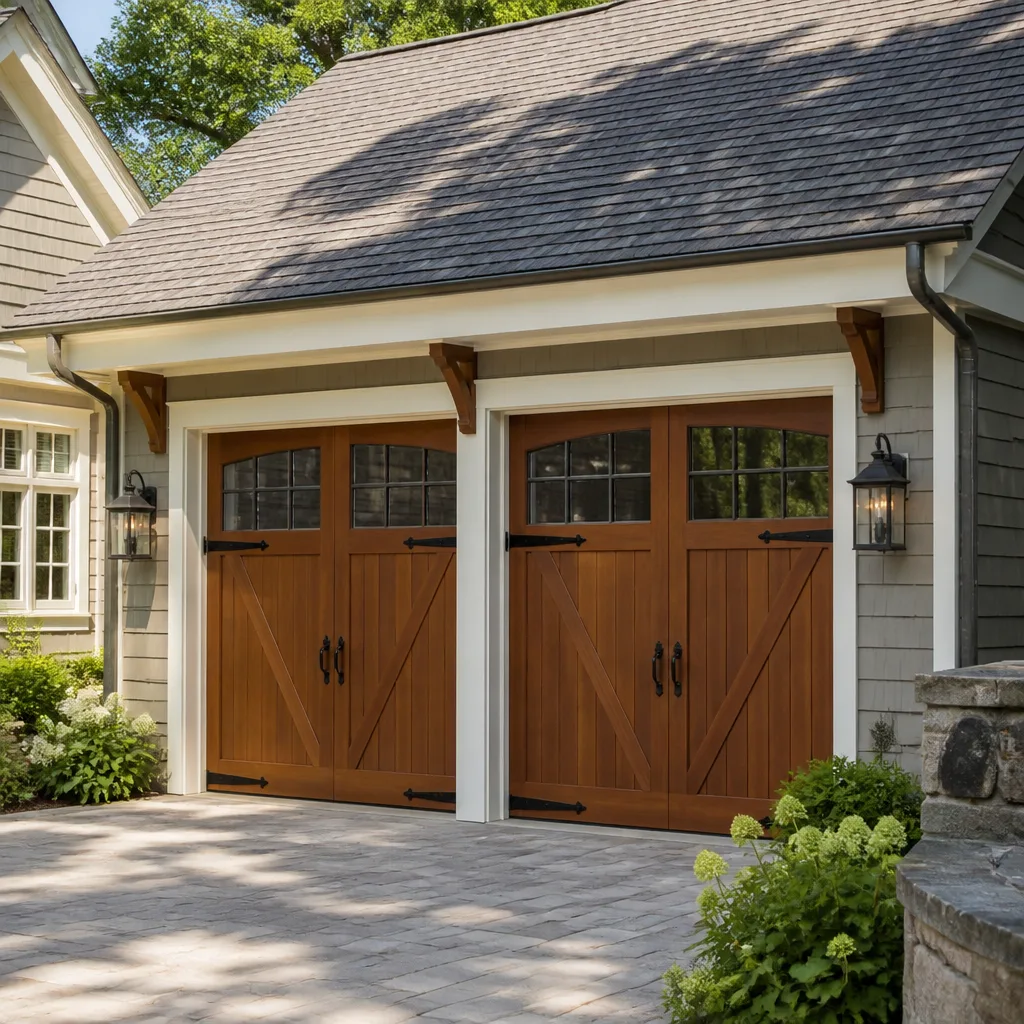 Carriage house
 Modern flush
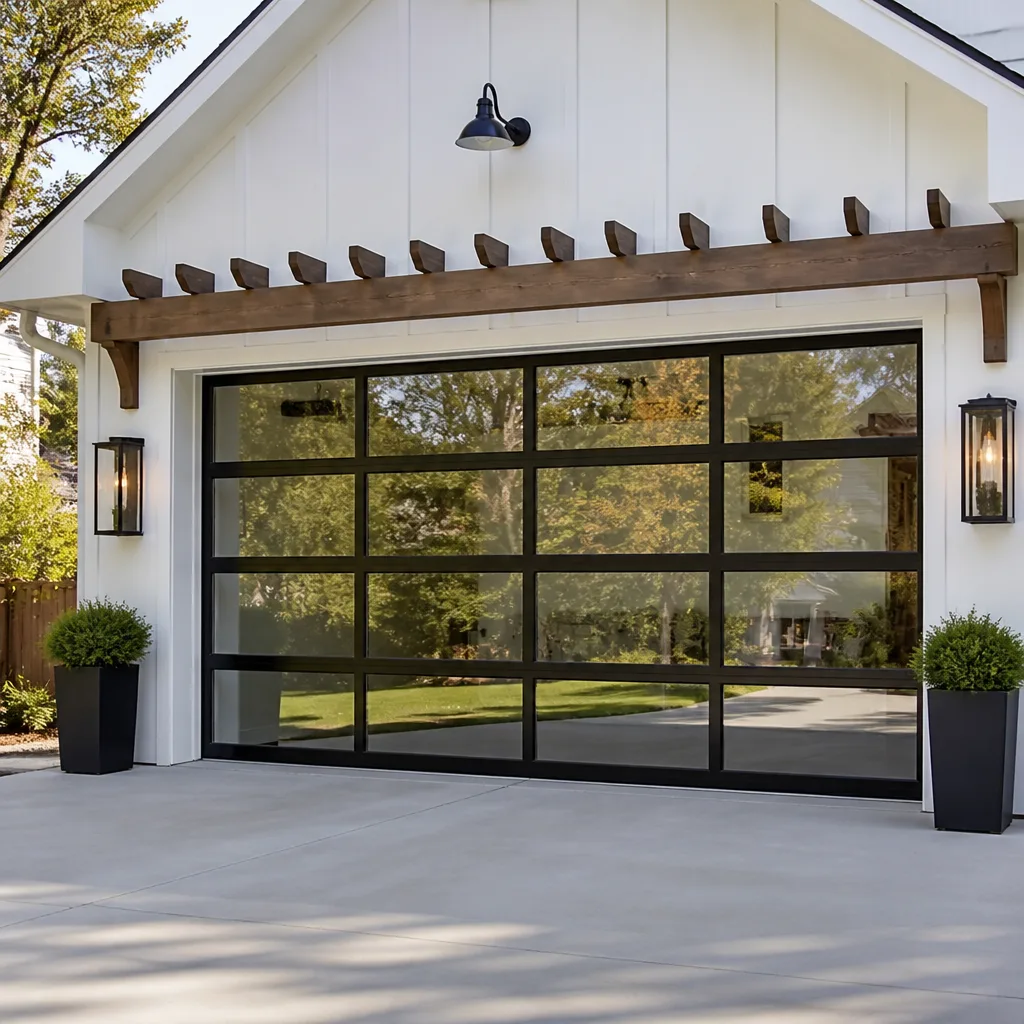 Full-view glass
 LiftMaster openers
 Chamberlain openers
Full 25-point door and opener safety check with every visit - springs, cables, rollers, tracks, and your LiftMaster or Chamberlain opener included
You get a price before we start. It does not change when the pro arrives.
Get your free estimateGarage Door Permits, Codes & Inspections in Wheaton, IL: What You Need to Know
Most Wheaton homeowners never think about permits until a garage door is already on order. That’s the problem. A full door replacement usually moves the structural opening, the tracks, the springs and the header connection, which most building departments treat the same way they treat cutting a new window into a wall. Yet almost nobody mentions the permit before the work starts, and the homeowner only finds out years later at a home inspection or an insurance review. This guide walks through what actually triggers a permit in Wheaton, what an inspector looks for, how historic districts and HOAs layer their own rules on top, and what to do if you inherit unpermitted work. We’ll keep it practical, because the goal is a door that passes the first time.
Quick Answer
In Wheaton, IL, a full garage door replacement, a door size change, or any structural change to the opening typically requires a building permit, while a straight repair of an existing door in the same opening usually does not. A spring, cable, roller or opener swap is generally repair work, not construction, and falls outside the permit threshold. When in doubt, call the City of Wheaton Building Department directly and describe the scope; they’ll tell you whether your project needs a permit and what the inspection sequence looks like.
Styles & brands we work with
- Raised-panel steel
- Carriage house
- Modern flush
- Full-view glass
- LiftMaster openers
- Chamberlain openers
Table of Contents
- What Triggers a Garage Door Permit in Wheaton?
- Repair vs. Replacement vs. Opener-Only: Where the Line Sits
- What a Wheaton Inspector Actually Checks
- Historic Districts and HOA Certificates of Appropriateness
- What Unpermitted Work Looks Like on a Disclosure Form
- How to Permit Work a Previous Contractor Skipped
- Common Mistakes to Avoid
- When to Call a Professional
What Triggers a Garage Door Permit in Wheaton?
The clearest way to answer this is by scope. Permits are triggered by structural and dimensional change, not by maintenance. If a project changes what the door opening is – its size, its location, its framing, its header, or the number of doors on the elevation – it’s construction. If the project restores an existing door to working order in the same opening, it’s repair. That distinction holds true across most Illinois municipalities, including Wheaton.
Here’s the practical breakdown:
- Full door replacement (same size, same opening): Usually requires a permit. Even a like-for-like panel replacement moves the track system, springs and hardware, and most building departments want to see the new installation inspected for safety and structural attachment.
- Door size change (single to double, or taller door for a taller vehicle): Requires a permit. This is a structural alteration of the opening and typically requires an engineer’s stamp or a plan review.
- Adding a new door opening to a garage wall: Requires a permit, often with plans. This is the same category as cutting a new window – it’s not a door replacement, it’s a wall modification.
- Door repair (springs, cables, rollers, hinges, tracks, panels): Usually no permit. This is maintenance on existing equipment in an existing opening.
- Opener replacement or opener repair: Usually no permit. Openers are appliances mounted to existing structure. Some jurisdictions ask for a small electrical permit if new wiring is run; most in Wheaton do not.
- Header, framing, or structural reinforcement: Requires a permit and typically a plan review. This is not a garage door job at that point; it’s a framing job that happens to end at a garage door.
For homeowners doing a fresh install or a full replacement, our garage door installation page walks through the sequencing, and the field measurement step is the one that matters most for the permit description. The permit should describe exactly what’s going in, because the inspector will measure against it.
One Wheaton-specific wrinkle: the garage door is often the largest single opening in the house, and it’s the one that faces the weather. Our freeze-thaw swings in late winter and spring work the jambs and the track anchors more than most homeowners realize, which means a door that “used to fit” may not. If a contractor measures and finds the opening has shifted beyond tolerance, that changes the permit scope from like-for-like replacement to structural correction. Ask about that possibility before signing anything.
Repair vs. Replacement vs. Opener-Only: Where the Line Sits
We get this question constantly on the phone, and the answer is short enough to memorize. If the door and opening come out the other side the same size and in the same place, it’s usually repair. If either one comes out different, it’s construction, and construction gets a permit in Wheaton.
That rule covers most of what we see. Here’s how it sorts in practice:
- Repair (no permit): A broken torsion spring, a snapped lift cable, a bent track, a broken hinge, a bad roller, a single cracked panel replaced in kind. The garage door spring repair side of our work is almost entirely in this bucket. The opening is unchanged, the door size is unchanged, and no structure moves.
- Component replacement in kind (no permit): Swapping a dead LiftMaster or Chamberlain opener for a comparable unit, replacing a bottom seal, changing the safety sensors. These are appliance-level changes on existing structure.
- Full replacement (permit likely): New door, new tracks, new springs, new opener as a package. The door itself is a structural element within the opening, and inspectors want to see the new spring system, the track anchoring, and the safety hardware on the new door.
- Dimensional or structural change (permit required): Bigger opening, taller door, second door added, header modified, jamb removed. This is where you’re into plan review territory.
- Historic district exterior change (permit plus certificate): Covered in more detail below, but a door change visible from the street in a designated historic district can require a certificate of appropriateness in addition to a building permit.
Two mid-scope cases come up that trip people up. First, a “repair” that turns out to be a full replacement once the technician is on site – the jamb is rotted, the opening has sagged, the track anchors are pulled. That’s still fine; you just need to stop, get the permit pulled, and pick up after it’s issued. Pulling a permit mid-project for a scope change is routine. Second, an opener swap where the homeowner is also adding a new circuit or moving an outlet. That’s electrical work, and the electrical permit is separate from anything to do with the garage door. Our garage door opener repair team will flag it if the wiring looks like it needs a licensed electrician.
If you’re only trying to fix a door that won’t close and the fix is a spring or opener issue, you can skip the permit conversation and just get it repaired. Call garage door repair and we’ll diagnose first, then tell you if what you actually need is a permit-level job.
What a Wheaton Inspector Actually Checks
An inspector is not there to grade aesthetics or check your brand choice. They’re checking that the installation is safe, that the door is attached to structure that can hold it, and that the safety devices required on a modern door are in place and functioning. If you know what they’re looking at, you can make sure those items are right before the inspection is scheduled.
The typical inspection checklist:
- Header attachment. The torsion bar or the opener rail anchor has to be tied into solid framing, not into a fascia board or a thin jamb. The inspector will look at how the manufacturer’s specified fasteners were used.
- Track anchoring. Tracks are anchored to jamb and floor, and both ends matter. A track that’s relying on one anchor at the top and nothing at the bottom will get flagged.
- Spring type and specification. The springs installed have to be matched to the door weight. An inspector may not compute the spring rate on site, but they will look at whether the springs and the door label line up and whether the installation notes are on the permit paperwork.
- Safety sensors. For any door with an opener, the photoelectric sensors at the bottom need to be aligned, wired, and functioning. This is one of the most common inspection failures and one of the easiest to pre-check.
- Auto-reverse on contact. The door has to reverse when it meets an obstruction. Inspectors test this, and it has to be within the manufacturer’s specification.
- Manual release. The emergency release cord has to be present, reachable, and functional. No locked or compromised releases.
- Entrapment protection. Modern openers use optical sensors plus a motor-level reversal feature. Both have to work.
- Labeling and documentation. The permit paperwork should match what was installed, including the door model and the opener model. Mismatch between the permit description and the install gets flagged.
The vast majority of garage door inspections pass when the installer does a pre-inspection walkthrough of these eight items. The problems we see are usually one of three: sensors knocked out of alignment between install and inspection day, a spring that was sized to a lighter door than what shipped, or a track that pulled loose because the fasteners went into a soft jamb. None of these are hard to fix; they’re just annoying if the inspector has to come out twice. That’s why we do a self-check before we call for inspection – it protects the homeowner’s timeline.
If your opener is the part that’s failing before the door even gets to an inspection, we cover that in garage door opener repair. Opener problems and door installation problems are separate conversations, and inspectors care about both.
Historic Districts and HOA Certificates of Appropriateness
In Wheaton, a building permit is only half the story for some homes. Properties in designated historic districts or subject to a homeowner association’s architectural rules often need a certificate of appropriateness for any exterior change visible from the street, and a garage door replacement counts. The certificate and the permit are two separate approvals, and they can be run in parallel – but only if you know to ask for both up front.
The certificate of appropriateness is about appearance, not safety. The historic board or HOA architect is asking: does the door match the character of the street, is the panel style appropriate, is the color within the approved palette, does the material read as consistent with the home’s era. The building inspector is asking a completely different set of questions – attachment, springs, sensors, entrapment protection. Neither review substitutes for the other.
Practical steps for navigating both at once:
- Confirm whether your home is in a district or covered by an HOA with architectural review. A title search, closing packet, or a call to the city will answer this. Don’t assume.
- Get the approved design in writing before ordering the door. A liftmaster or Clopay door that hasn’t been reviewed by the board is expensive to re-spec. Raynor and Craftsman lines both offer multiple panel profiles; the certificate review will narrow your options.
- Submit the certificate application and the building permit application around the same time. Neither is contingent on the other being approved first, and the review timelines run in parallel.
- Match the door on the plans to the door on the permit to the door that gets delivered. The most common cause of a stalled historic review is a model mismatch between what the board approved and what the contractor submitted for the building permit.
- Schedule the inspection only after the door is in and the certificate has been signed off. Inspectors will not sign off on an install in a district if the certificate review hasn’t been documented.
For homes close to the downtown Wheaton area or along the older streets where the door profiles matter more, this is worth a phone call before the order goes in. We’ve worked installations in Wheaton where the difference between a Raynor panel profile and a Clopay profile determined whether the certificate cleared on the first submission. It’s easier to get that right on paper than after the door has shipped.
What Unpermitted Work Looks Like on a Disclosure Form
An unpermitted garage door installation isn’t illegal for the homeowner to have done – it’s an issue that follows the property, not the person. In an Illinois residential sale, the seller’s disclosure form asks whether the seller is aware of any work done without required permits. A yes answer doesn’t kill a sale, but it does trigger questions, and a savvy buyer’s inspector will pull the permit history from the city. That’s when the dominoes fall.
Here’s how it plays out:
- Buyer’s inspector requests permit history. Municipalities maintain permit records, and a door replacement with no permit on record is easy to spot. Inspectors routinely flag the lack of a permit on any structural element that clearly looks newer than the rest of the house.
- Buyer’s attorney requests remediation or a price reduction. The negotiation becomes about permitting the retroactive install or replacing the door entirely. Either way, the homeowner is writing a check they didn’t plan for.
- Title insurance is generally not the fix. Title insurance protects against defects in the ownership history – liens, boundary claims, undisclosed heirs. It does not cover construction defects or unpermitted work. Many homeowners assume the title policy covers this; it doesn’t.
- Insurance claims on the door can tighten. If a door fails and damages property, the adjuster’s first move is to check whether the install was permitted and inspected. An unpermitted install becomes a claims problem, not just a disclosure problem.
- The disclosure answer sticks with the seller. Answering “yes, aware of unpermitted work” honestly is the right thing, but it can stall negotiations. Answering “no” when there is unpermitted work is a misrepresentation with legal exposure.
The cleanest way to avoid all of this is to pull the permit when the door goes in. The cost is small relative to the door. The cost of retroactive permitting or a failed sale negotiation is not.
How to Permit Work a Previous Contractor Skipped
If you’ve inherited an unpermitted garage door installation – either from a previous owner or from a contractor who said a permit wasn’t needed – you can usually permit it retroactively. It’s not always cheap, and it’s not automatic, but it’s far better than leaving it on the record as unpermitted. The process varies by municipality and by how long ago the install happened, so the first call is to the City of Wheaton Building Department.
The typical sequence:
- Request the permit history. Ask the city what permits exist for the address, specifically for the garage. If there’s nothing on record for the door, that’s the starting point.
- Schedule an inspection of the existing installation. The city will send an inspector to confirm the door, springs, tracks, and safety hardware were installed correctly. Some municipalities call this a “post-install” inspection; others call it a retroactive inspection.
- Correct what fails. Spring sizing, track anchoring, sensor alignment and opener reversal are the usual misses. Fixing them is a normal repair scope, not a rebuild. Expect to pay a service-call-plus-parts amount, not a full install.
- File the retroactive permit. The city issues a permit for the existing installation. In some cases they require a current contractor to attest to the installation; in others the homeowner can sign as owner-builder.
- Pass the final inspection and pull the record. Once the inspection is signed off, the permit is closed and shows in the property history. That’s the goal – a clean paper trail that a buyer’s inspector will see.
- Document everything. Keep the closed permit, the inspection report, and the invoice from whatever corrections were made. If you sell the home, that packet answers the disclosure question cleanly.
On cost, the retroactive permit itself is typically modest – in the range municipalities charge for a residential structural permit, plus the inspection fee. The review and correction work is where the real cost lives, and that varies entirely with what fails. The risk of not permitting it is bigger than either number: failed inspection on a sale, insurance pushback, or a buyer’s demand for a discount.
If you’re not sure whether the existing door was permitted, call us at (844) 713-9631 and we’ll take a look and tell you what we see. The Wheaton Garage Door Repair Pros team handles repair, opener service, spring work and full installs, so we can also handle whatever correction work the inspection surfaces.
Common Mistakes to Avoid
- Assuming the contractor will handle the permit without asking. Some will, some won’t, and the responsibility for having the permit falls on the homeowner in most jurisdictions. Ask in writing, before signing, who is pulling the permit and what it will cost.
- Treating an opener swap as the same scope as a door replacement. They’re different permit categories in Wheaton. An opener change is usually no permit; a door replacement usually is. Mixing the two up leads to either unnecessary permit fees or missing ones.
- Ordering a door in a historic district before the certificate is approved. The board can require a different panel profile or a color change, and if the door is already on order, you’re reselling it at a loss. Get the certificate first.
- Assuming the title policy covers unpermitted work. Title insurance covers ownership defects, not construction defects. Unpermitted garage door work is a construction issue, and the title policy won’t pay for it.
- Skipping the pre-inspection self-check. Sensors go out of alignment in transit, springs get swapped at the shop, tracks get bumped during final trim work. A five-minute self-check before the inspector arrives saves a second inspection trip and a delayed close.
- Letting a repair scope quietly become a replacement scope without re-pulling the permit. A “minor spring replacement” that reveals a sagged header or rotted jamb becomes a structural job. The permit has to match the actual work.
- Not asking what “permit included” actually means in the quote. Some contracts fold permit fees into the install price, some list them separately, some explicitly exclude them. Have the number on the written estimate.
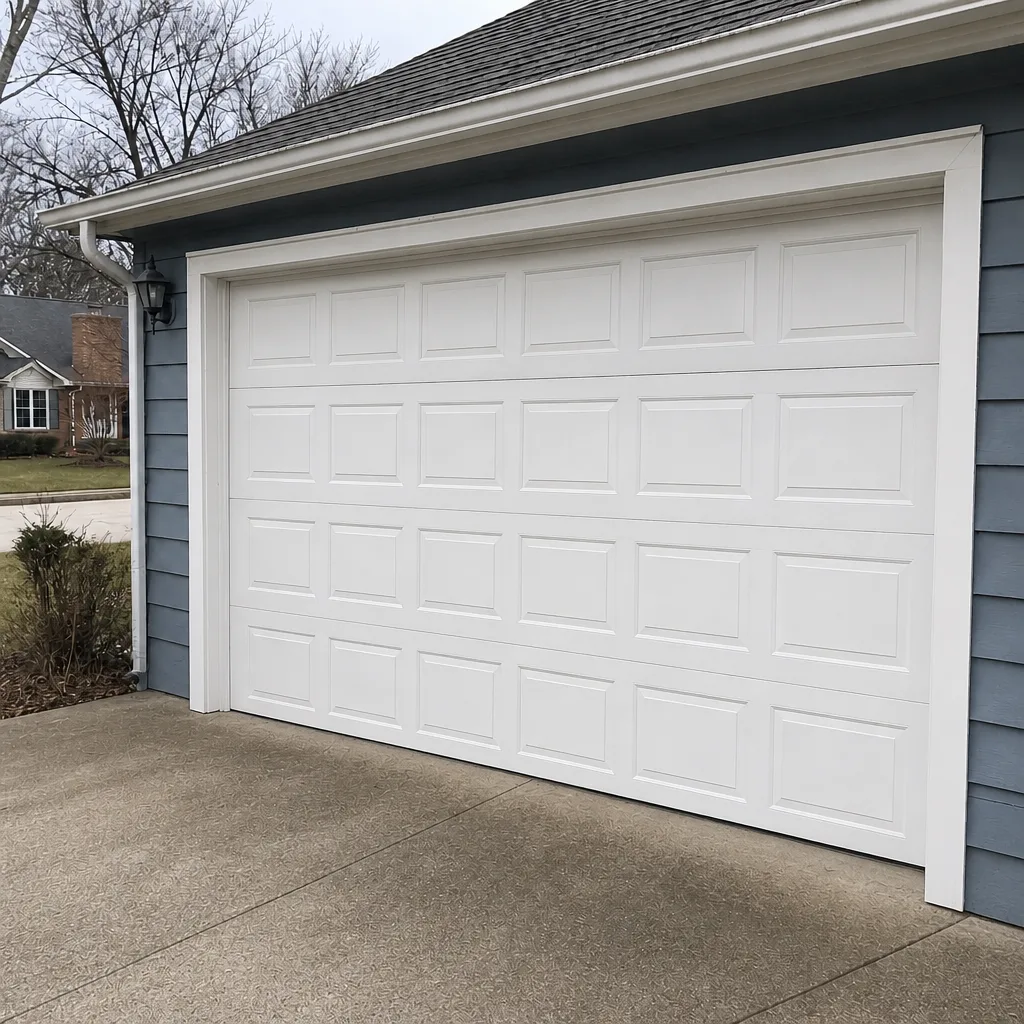
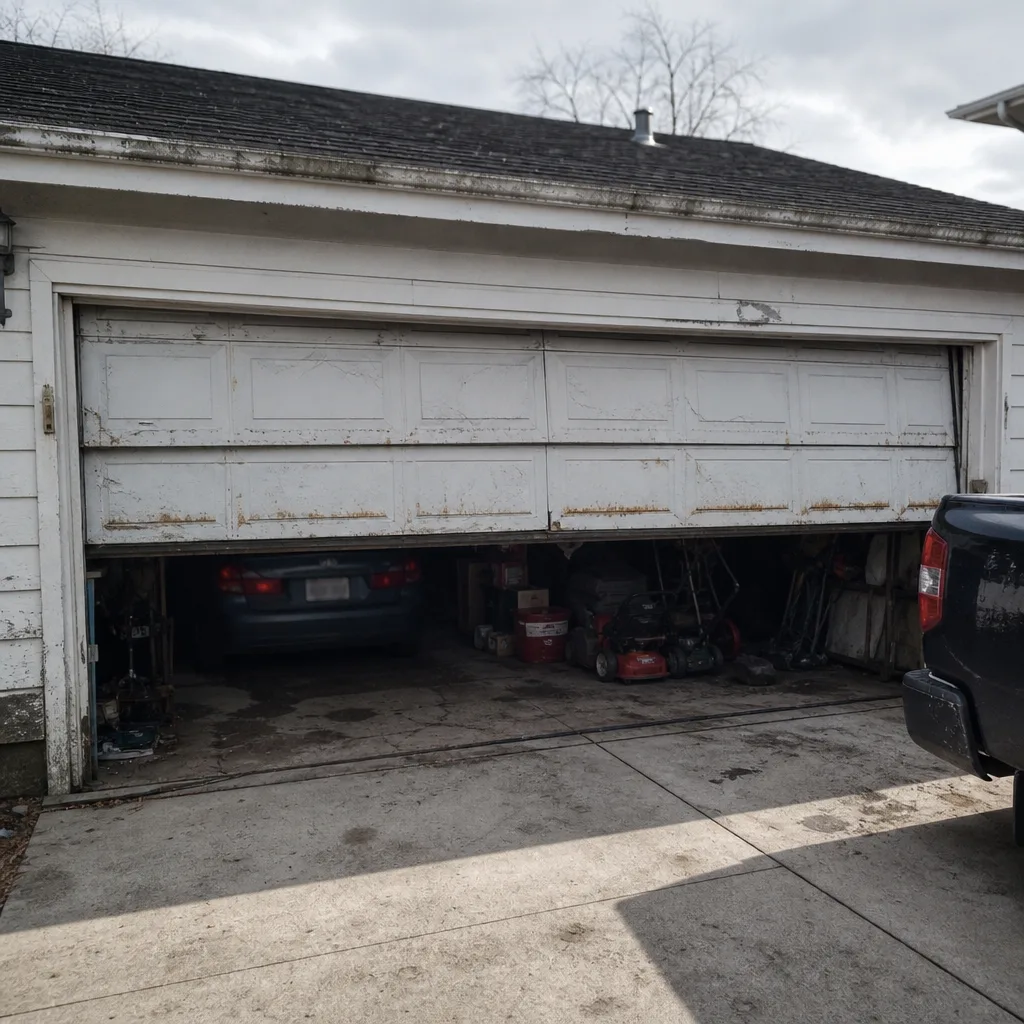
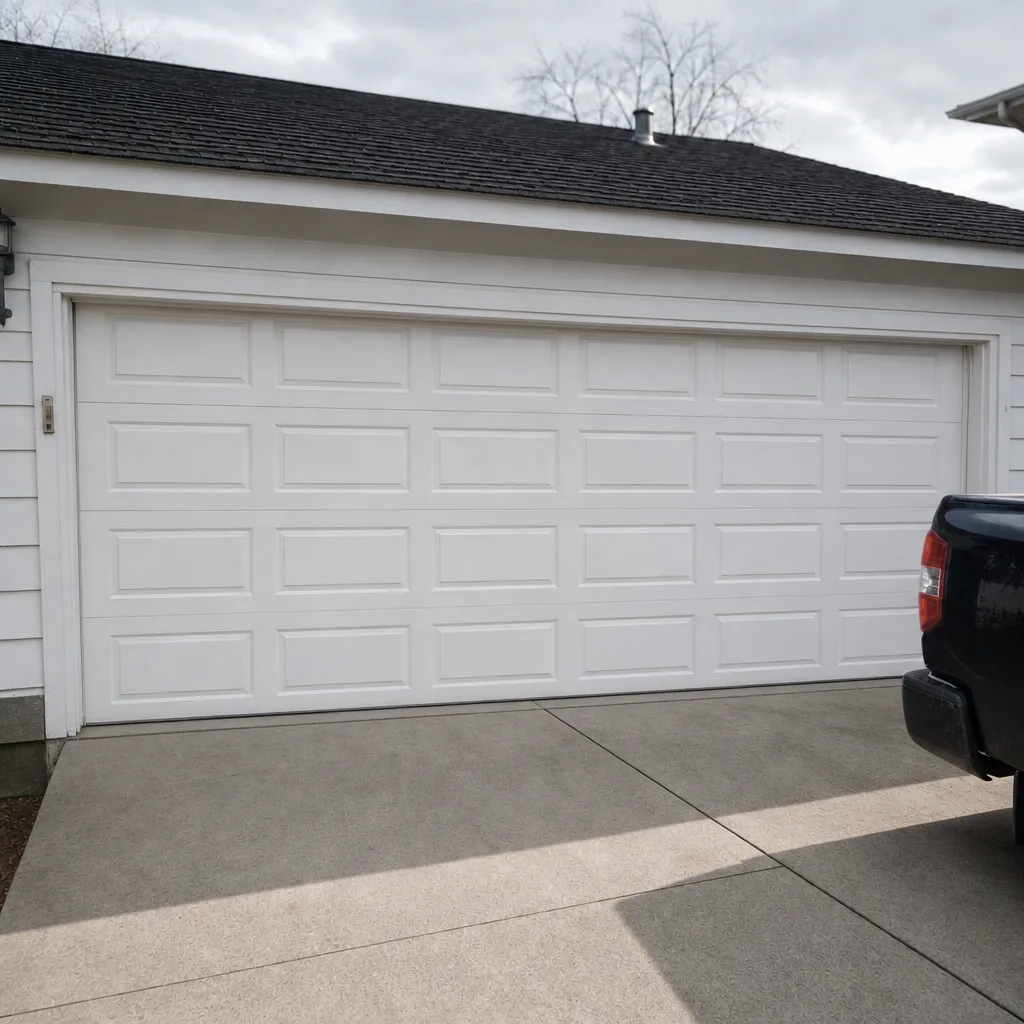
See the difference
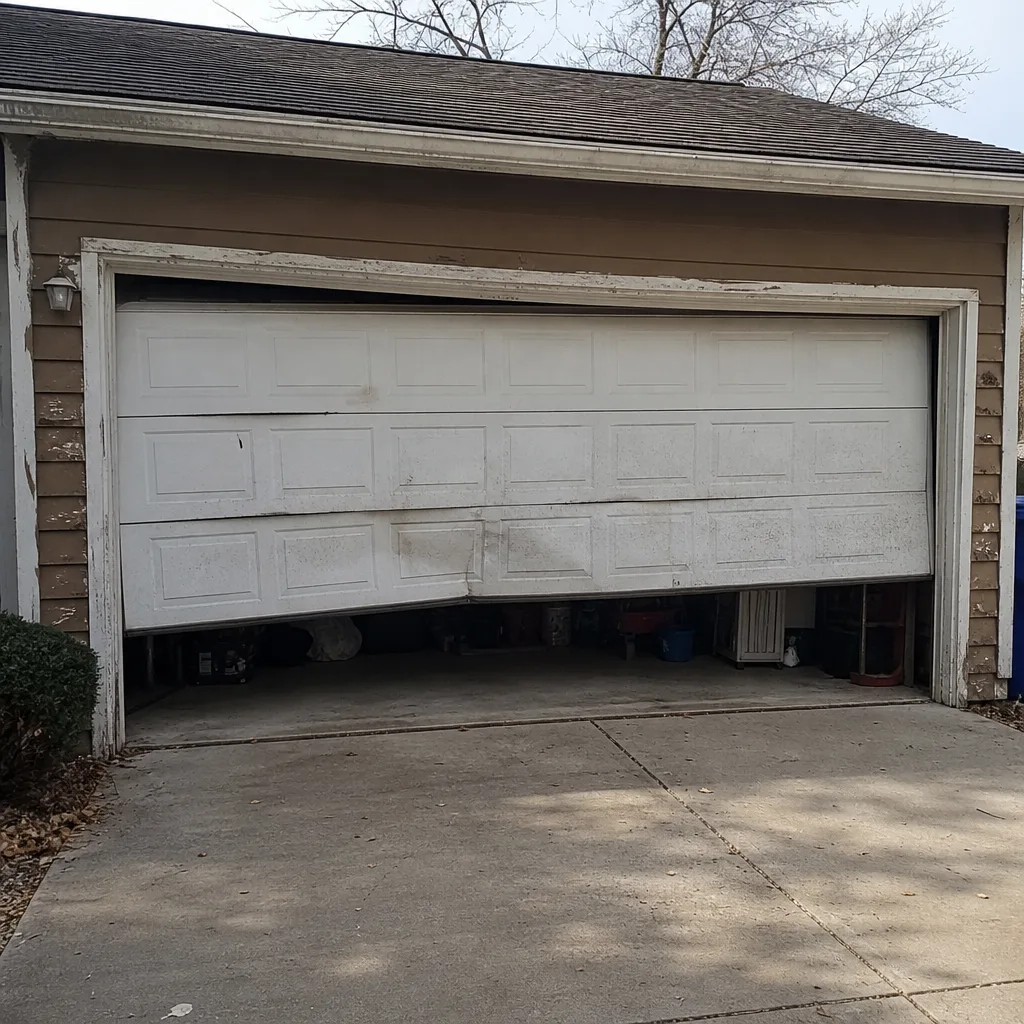 Before
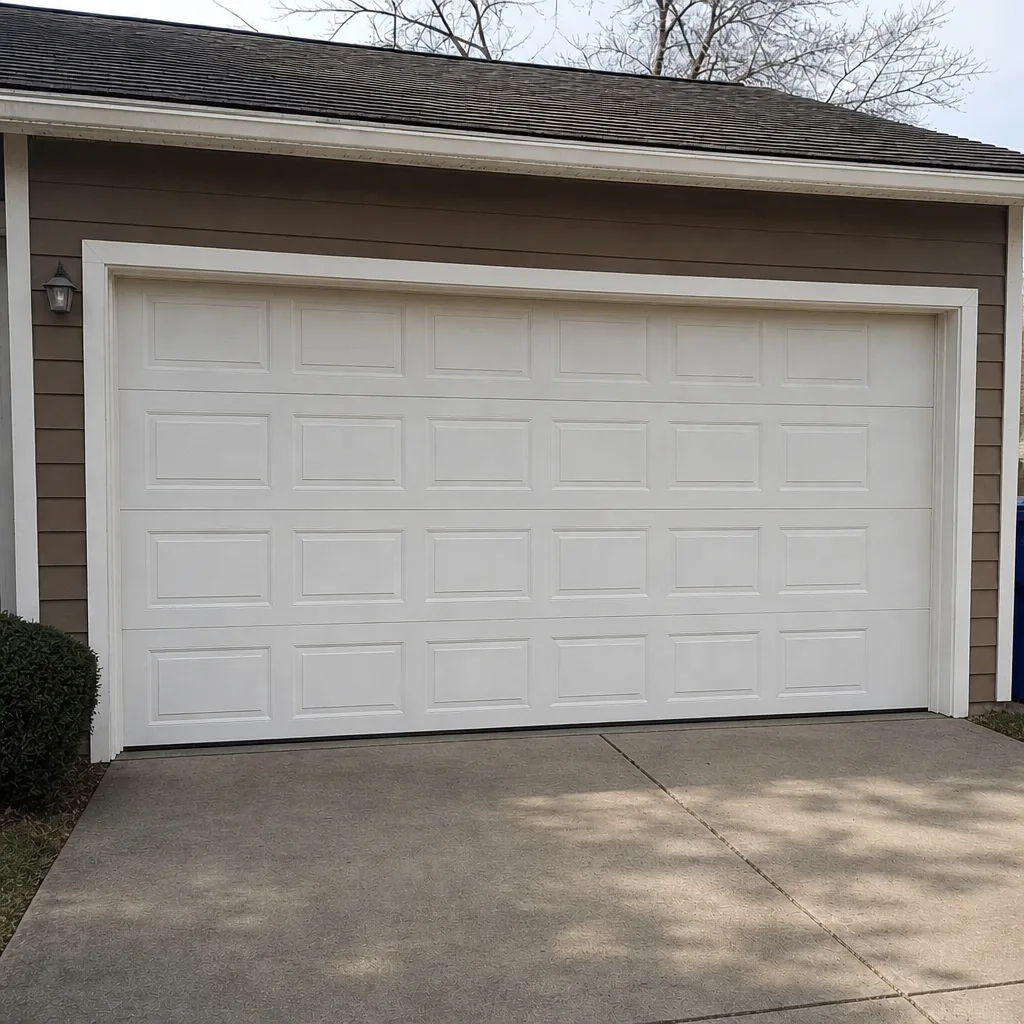 After
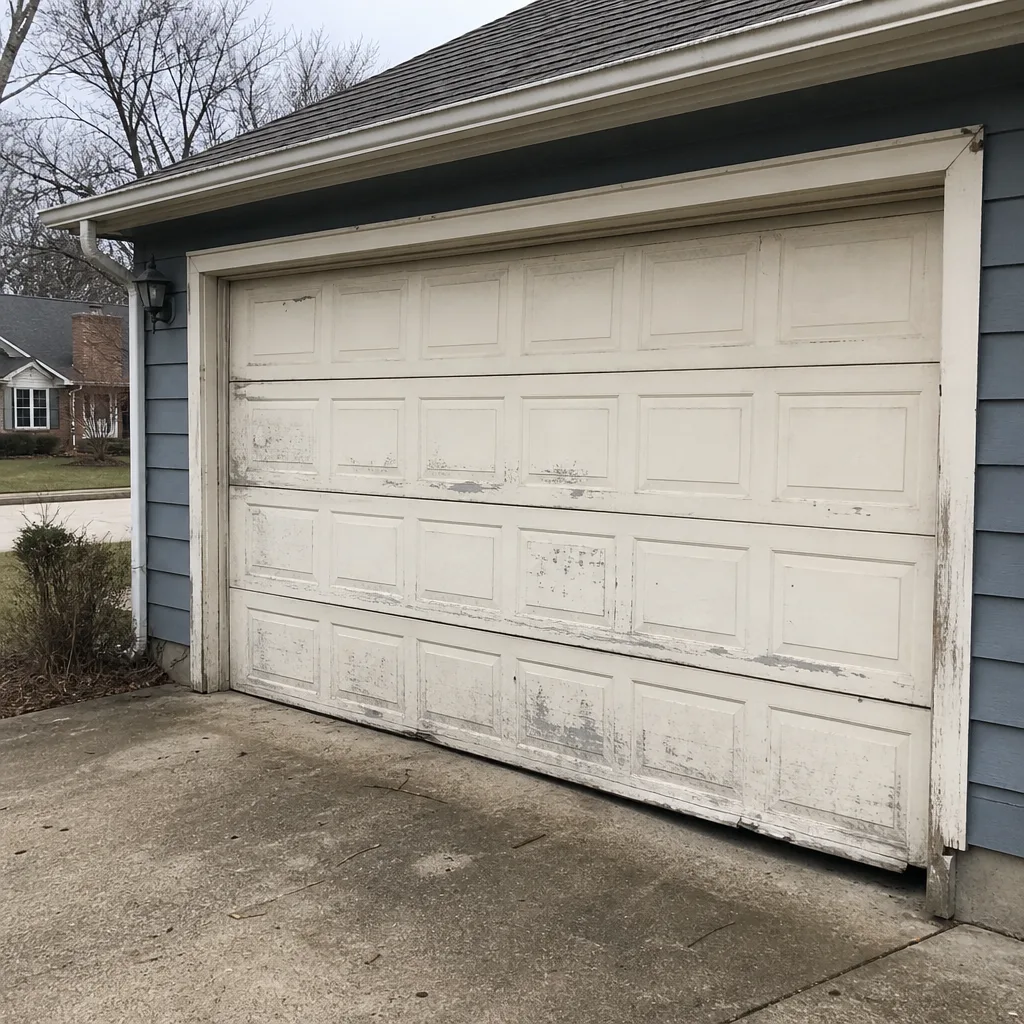 Before
 After
 Before
 After
When to Call a Professional
If the door is stuck, the spring is broken, the opener has stopped responding, or the door has come off the track, that’s a call today. If the door is going up or down but something feels wrong – uneven travel, a popping sound in the springs, a track that flexes when you lean on it – that’s also a call today, because those are the warning signs before a failure. If you’re planning a replacement, a permit review, or a historic district submission, that’s a call before the order goes in, because the sequence matters. Wheaton Garage Door Repair Pros offers free estimates in Wheaton – call (844) 713-9631. Our technicians have up to 9 years of experience and are familiar with LiftMaster, Chamberlain, Genie, Clopay, Amarr, Wayne Dalton, Craftsman and Raynor equipment, so whether your door is a LiftMaster opener or a Clopay panel, we can tell you whether the fix is a repair, a replacement, or a permit-level job. We work on the brand you already have, and we’ll say plainly what scope you’re actually in.
Frequently Asked Questions
In most cases, yes. A full replacement moves the track system, springs and hardware, and most building departments in Wheaton and the surrounding area treat that as a structural alteration to the opening. A like-for-like panel replacement in the same opening sometimes doesn’t require a permit, but confirm the scope with the City of Wheaton Building Department before the work starts. Call (844) 713-9631 if you’d like a free estimate on the install side – we’ll tell you what the permit description should say.
Usually no. An opener swap is an appliance-level change on existing structure, and most municipalities treat it as repair or maintenance, not construction. If the opener replacement also involves new electrical circuits or moving outlets, that electrical work is a separate scope and may need its own permit. Ask the installer to walk through the scope before the job starts.
An inspector checks header attachment, track anchoring, spring specification, safety sensors, auto-reverse on contact, the manual release, entrapment protection, and whether the permit description matches the installed door and opener. These are the eight items that drive almost every pass or fail. A pre-inspection self-check by the installer prevents most second trips, which is why we recommend it to every Wheaton homeowner before scheduling.
The seller’s disclosure form in Illinois asks whether you’re aware of unpermitted work, and a buyer’s inspector who pulls permit history will often flag a newer door with no permit on record. That can lead to a price reduction, a demand for remediation, or a stalled close. Title insurance does not cover this – it covers ownership defects, not construction defects. The cleanest fix is to permit the install retroactively before you list.
In most cases, yes, though the process depends on how the original install was done. The typical path is to request the permit history from the city, schedule an inspection of the existing install, correct whatever fails, file the retroactive permit and pass a final inspection. The permit fee is modest; the correction work is the real variable, and it usually involves springs, track anchoring or sensor alignment. Many homeowners find retroactive permitting is cheaper than a price reduction on a sale.
Often, yes. If the property is within a designated historic district or subject to an HOA’s architectural review, an exterior door change visible from the street typically needs a certificate of appropriateness in addition to the building permit. The certificate is an appearance review, the building permit is a safety and structure review, and they run in parallel. Get the certificate approved before the door is ordered – a style change after ordering is expensive to unwind. Call (844) 713-9631 for a free estimate on the install side before you submit.
The Bottom Line
A garage door replacement in Wheaton is usually construction, not maintenance, which means it usually needs a permit, and the trigger is lower than most homeowners expect. A same-size repair of springs, cables, rollers or an opener falls below the threshold; a new door, a size change or a structural correction does not. Historic districts and HOAs layer a certificate of appropriateness on top, and those two approvals should be run in parallel. Unpermitted work follows the property, complicates disclosures, and isn’t covered by title insurance – so pull the permit when the door goes in, or permit it retroactively before you need to. When in doubt, ask the city’s building department, get the scope right on paper, and have the installer self-check the eight inspection items before the inspector arrives. That’s how a Wheaton garage door project closes clean the first time.
Ready for a free estimate? Call Wheaton Garage Door Repair Pros at (844) 713-9631.
Written by the team at Wheaton Garage Door Repair Pros.