Last updated November 22, 2026
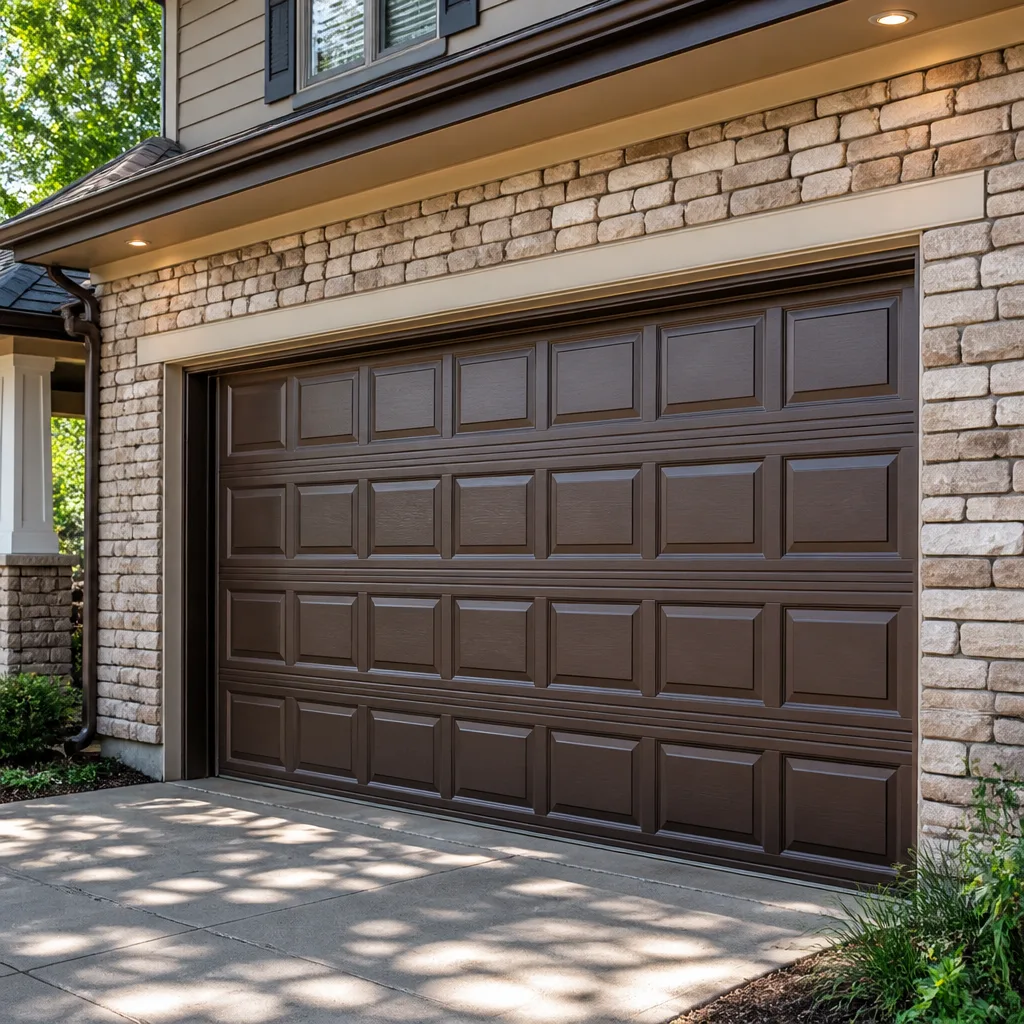 Raised-panel steel
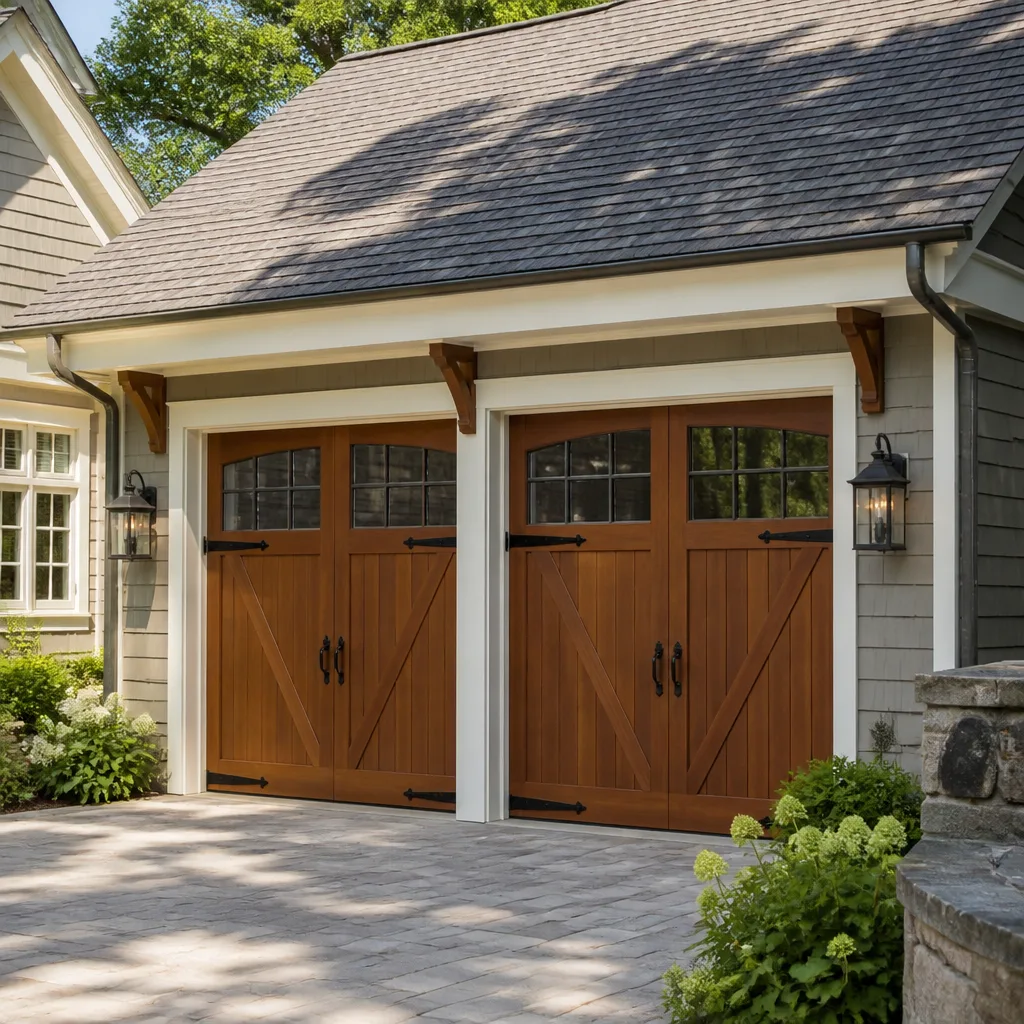 Carriage house
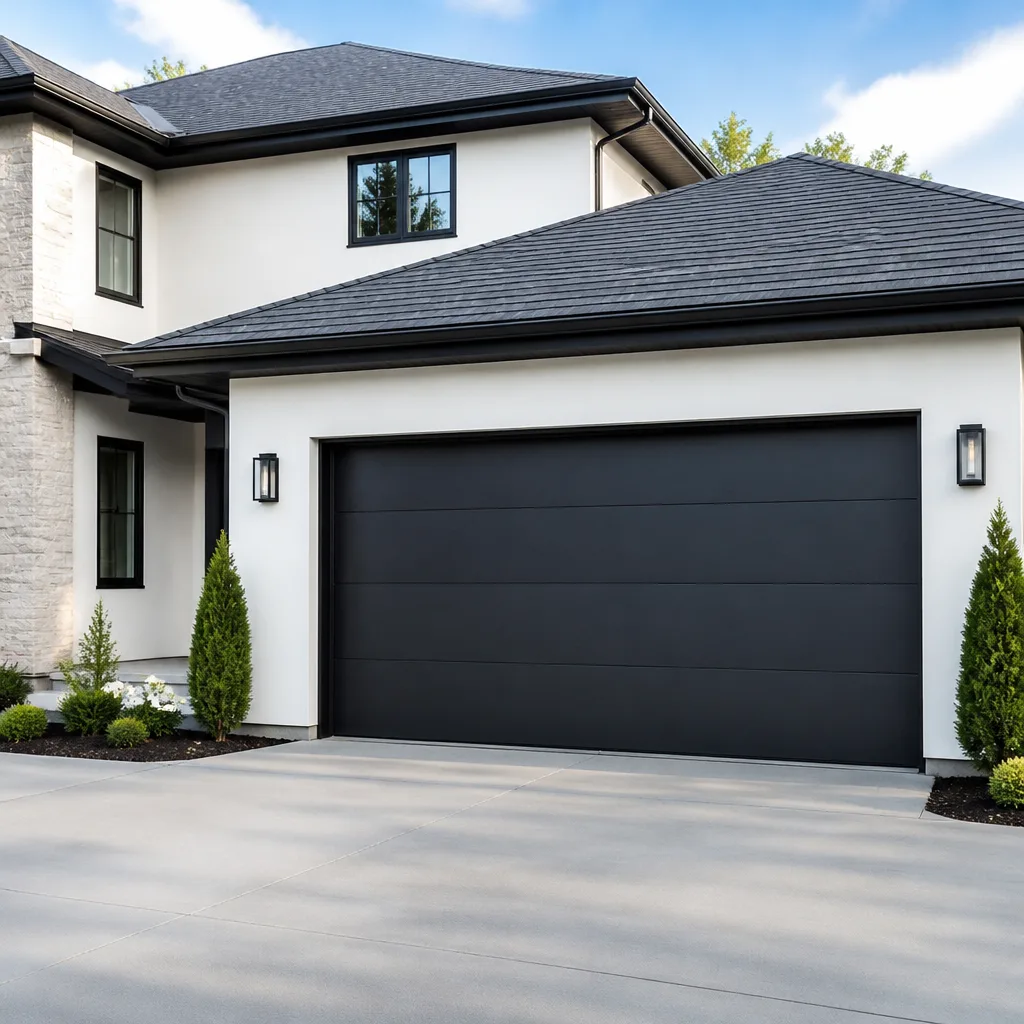 Modern flush
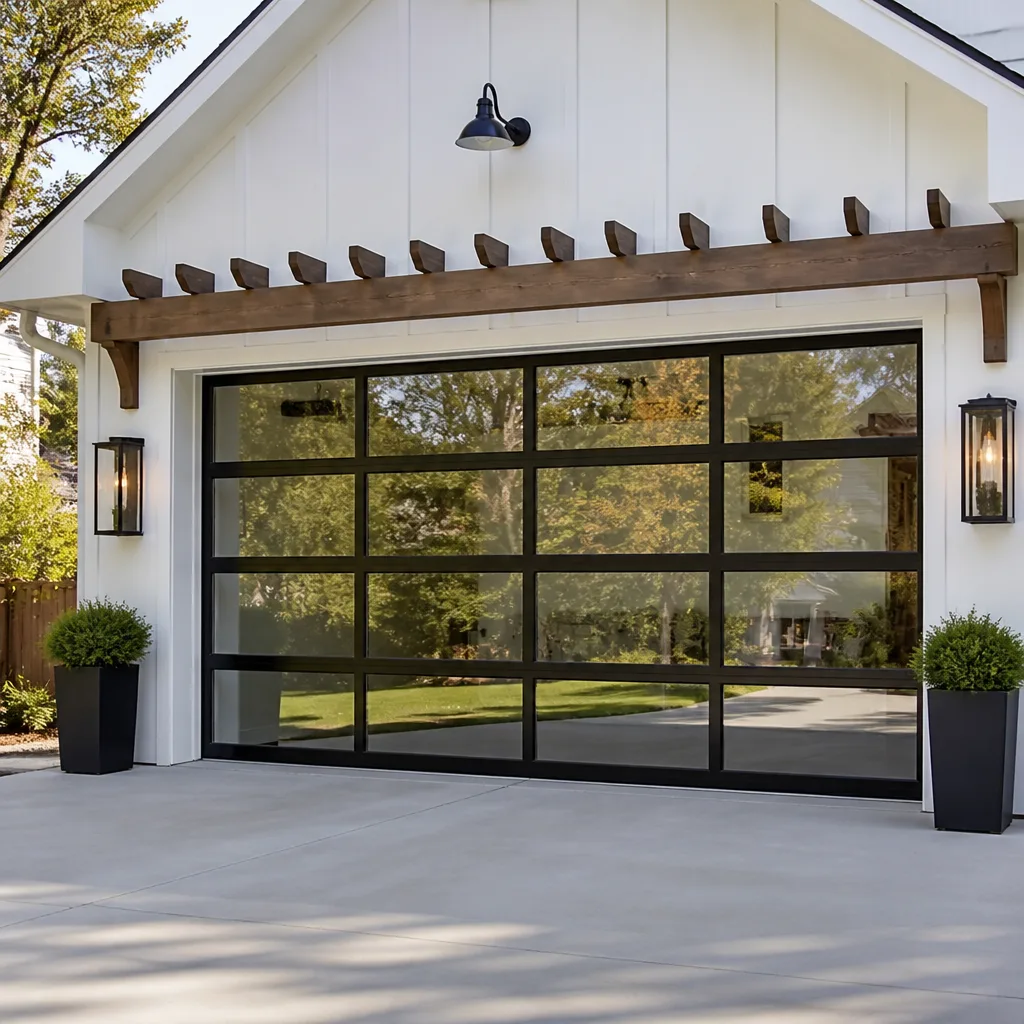 Full-view glass
 LiftMaster openers
 Chamberlain openers
Full 25-point door and opener safety check with every visit - springs, cables, rollers, tracks, and your LiftMaster or Chamberlain opener included
You get a price before we start. It does not change when the pro arrives.
Get your free estimateGarage Door Warning Signs: A Wheaton Homeowner’s Reference Guide
Most garage door problems announce themselves long before the door stops working. The trouble is that homeowners hear the same noise or see the same wobble for months and file it under “normal.” A door that seems a little slow is often a motor straining against a door that’s picked up friction it shouldn’t have. By the time it quits, you’re not looking at a tune-up, you’re looking at a dead opener and a torsion spring that’s been under rising stress for weeks. This guide sorts the warning signs by what they actually mean: which ones you can watch, which ones you should schedule, and which ones mean stop using the door today. We wrote it for Wheaton homeowners who’d rather plan a repair than react to a breakdown.
Quick Answer
Garage door warning signs fall into three urgency tiers: Monitor (minor squeaks, cosmetic wear, slight vibration), Schedule Within 30 Days (grinding, uneven travel, opener lag, a door that reverses on its own), and Stop Using Door Now (a visible gap in the spring, a snapped cable, a door hanging crooked, or any loud bang from the torsion system). The tier tells you whether to watch it, book it, or keep the door closed and call for emergency service.
Styles & brands we work with
- Raised-panel steel
- Carriage house
- Modern flush
- Full-view glass
- LiftMaster openers
- Chamberlain openers
Table of Contents
- The Three-Tier Urgency System
- Sound-Based Diagnosis: Grinding, Squealing, Popping, and Rattling
- Visual Signs: What’s Serious and What’s Cosmetic
- Opener Behavior Flags and What They Mean
- How Warning Signs Compound: Failure Chains to Watch For
- Wheaton Climate, Housing, and Garage Door Wear
- Springs and Cables: The Signs That Demand a Stop
- Common Mistakes to Avoid
The Three-Tier Urgency System
Every symptom you notice belongs in one of three buckets, and knowing which bucket saves you from two opposite mistakes: overreacting to a squeak, or ignoring a spring that’s about to let go. Here’s how we sort them.
Tier 1: Monitor
These are the early signs that a door is due for adjustment or lubrication, not a major repair. Note them, watch for changes, and plan a service visit when it’s convenient.
- A light squeak or chirp during travel, especially in cold weather
- Small paint chips, faded finish, or surface rust on the bottom panel
- Slight vibration you can feel through the floor when the door moves
- A remote that occasionally needs a second press
Tier 2: Schedule Within 30 Days
These signs point to a component that’s wearing and will fail if left alone. They usually mean a repair visit, and the sooner you book it, the less chance the problem grows into something bigger.
- A grinding or scraping sound that’s consistent from cycle to cycle
- A door that travels unevenly, with one side higher than the other
- The opener hesitating, lagging, or reversing before the door touches the floor
- A popping noise on the torsion bar during opening or closing
- Rollers that are visibly worn flat, cracked, or loose in their brackets
Tier 3: Stop Using Door Now
These are the signs that mean the door isn’t safe to operate. Leave it closed and call for emergency service. Garage door spring and cable failures are the highest-risk repairs in this trade, and a door in this condition can drop without warning.
- A clear gap in the torsion spring (it has snapped)
- A cable that’s frayed, kinked, or hanging loose
- A door hanging cockeyed in the opening
- A loud bang from the overhead mechanism, followed by a door that won’t lift
- Any door you can lift partway by hand and it doesn’t stay put
Sound-Based Diagnosis: Grinding, Squealing, Popping, and Rattling
Each sound a garage door makes points to a specific mechanical cause. Once you know the vocabulary, you can describe the problem accurately before we even arrive, which shortens the diagnosis and gets you back in service faster.
Grinding
Grinding is metal-on-metal contact. Most often it’s a roller seized in its bracket dragging against the track, or a torsion bar rubbing where it shouldn’t. Continuous grinding is a Tier 2 sign because the friction keeps building, and the opener works harder every cycle until it overheats or the motor fails.
Squealing
A high-pitched squeal usually comes from dry hinges, rollers, or a torsion bar that’s lost lubrication. It’s often Tier 1, but if it shows up on every cycle and gets louder, the friction load is climbing and it’s time for a service.
Popping
A single sharp pop on opening or closing is a classic torsion spring sign. The spring can be shifting in its wind, or a section is binding. Popping belongs in Tier 2. If the pop turns into a bang and the door stops lifting, you’ve moved into Tier 3.
Rattling
Rattling is usually loose hardware: hinge bolts, bracket screws, or a door panel that’s come loose from its stile. It’s not urgent by itself, but a rattle that’s been ignored for a while puts stress on the tracks and can throw the door out of alignment.
Visual Signs: What’s Serious and What’s Cosmetic
Not every crack or chip in a garage door is a problem. Homeowners in Wheaton often see a surface crack on a bottom panel and worry the whole door is failing, when it’s really cosmetic wear. The reverse happens too: a hairline crack in the wrong place gets ignored for months. Here’s the distinction.
Cosmetic vs. Structural
Surface aging looks like flaking paint, faded color, or a light crack in the finish coat. These don’t affect how the door operates and can be addressed at your convenience. Structural compromise looks different:
- A vertical crack that runs the full height of a panel and continues into the stile
- A crack that’s wider at one end (a “v” shape), which suggests the panel is under stress
- A door panel that flexes visibly when you press on the middle
- Rust that’s spread through a seam rather than sitting on the surface
Any of those mean the panel is losing strength. On a Clopay or Amarr steel door, that’s a structural concern rather than a paint job, and the panel should be inspected.
Track and Alignment Signs
Look at the tracks on both sides of the door. Tracks that are visibly bent, dented, or pulled away from the jamb are a Tier 2 sign because a misaligned track throws the door’s travel off and stresses the rollers. Tracks that are clearly out of parallel, with the door bowing or binding, move up to Tier 3.
Hinge and Roller Signs
Worn rollers show up as flat spots, cracks in the nylon, or a roller that rocks loosely in its bracket. Rusted or bent hinges are another common sight on older doors in Wheaton, especially at the bottom where moisture collects. Both are manageable with a service visit before they cause track damage.
Opener Behavior Flags and What They Mean
Modern openers from LiftMaster and Chamberlain have safety and force sensors that produce specific behaviors when something’s off. Decoding those behaviors is often faster than waiting for the door to fail. Our technicians work on these systems daily, and the patterns are remarkably consistent.
Response Lag
If you press the remote and the door takes a moment to move, the opener is likely straining against increased friction. This isn’t a remote problem, it’s the door telling you it’s gotten heavier. A lagging LiftMaster or Chamberlain opener is usually a sign the door needs service on the tracks, rollers, or springs.
Partial Reversal
When the door starts down and then reverses partway, the safety sensors or the force limit have tripped. Check whether something is in the sensor beam path. If the path is clear and the door still reverses, the force setting may be too tight, or the door has gained resistance. That’s a Tier 2 sign, not a “reset the opener and forget it” situation.
Remote Inconsistency
A remote that works only when you’re close, or one that only works from certain angles, is usually a battery, antenna, or interference issue. It’s rarely the door. Try a fresh battery and make sure the opener’s antenna wire isn’t tangled with power wiring. If the garage door opener repair need turns out to be in the logic board or a smart-home module on a LiftMaster MyQ unit, that’s when it’s worth having a technician look.
Opener Runs but Door Doesn’t Move
If you hear the motor running and the door stays put, the drive gear, chain, or belt has likely failed. On a Genie screw drive or a belt-driven Chamberlain, this is a Tier 2 sign that becomes Tier 3 quickly if the opener keeps running and strips the gear further. Stop cycling the door and get it looked at.
How Warning Signs Compound: Failure Chains to Watch For
Warning signs rarely stay single. Ignoring one symptom usually invites the next one within about 60 days, and the second repair is often larger than the first. Here are the failure chains we see most often in Wheaton.
- Dry hinges lead to worn rollers, which lead to track damage. When hinges and rollers lose lubrication, the friction climbs. Rollers wear flat and start dragging, which stresses the tracks. What began as a squeak becomes a track replacement.
- A weakening spring leads to opener strain, which leads to a burned-out motor. A spring that’s lost tension makes the door heavier. The opener compensates by working harder, and its motor and capacitor take the load. The opener usually fails before the spring does.
- Loose hardware leads to misalignment, which leads to binding. Rattling hinge bolts, if ignored, let the door shift out of square. A door that wasn’t binding last month starts screeching on one side.
- A bent roller leads to cable wear, which leads to a cable snap. A dragging roller pulls sideways on the lift cable. Over weeks, the cable frays and can break, which is a Tier 3 event.
- Ignored reverse-on-close leads to sensor drift, which leads to false safety trips. An opener that reverses on its own, when the force setting is left too tight, can eventually refuse to close at all. That means a door stuck open overnight.
Our take: fix Tier 2 signs when they show up. The compounding problem is the expensive part, not the initial repair.
Wheaton Climate, Housing, and Garage Door Wear
A garage door in Wheaton lives a particular life. Northeastern Illinois winters swing through long cold stretches and repeated freeze-thaw cycles, and that shows up at the garage door in specific ways. The metal in tracks and springs expands and contracts with temperature. Lubricants thicken in the cold. And doors that see road salt spray on their lower panels (from wet boots and slush tracked onto the driveway) rust faster than doors in milder climates.
Winter Symptoms Are Real
A door that’s slow and loud in January and fine by April is telling you something. Cold weather increases friction, and a dry torsion bar squeals louder at low temperatures. If your door becomes noticeably hard to open in the winter, spring tension may be at the edge of its range. That’s worth a look before next winter.
Housing Stock Matters
Wheaton has a wide mix of housing. Older homes with original wood doors and older steel doors tend to have more age-related wear at the hinges and bottom panels. Newer builds often have higher-cycle openers and insulated steel doors that hold up better but rely on more electronics. Either way, the tier system applies. Our Wheaton Garage Door Repair Pros technicians work on the equipment that’s actually in the door, whether that’s a Wayne Dalton panel from the original build or a Chamberlain unit installed a few years ago.
Springs and Cables: The Signs That Demand a Stop
Torsion and extension springs store enormous force, and a broken spring is not a service call you schedule for next week. When a spring snaps, it can happen with no warning beyond what’s on this list, and the door itself becomes dangerous. Here’s what to watch for, and why we stop short of telling you how to work on them yourself.
The Signs to Watch
- A gap that wasn’t there before in the coil of a torsion spring
- A spring that looks stretched or sags below the horizontal bar
- A loud bang from the torsion bar area, followed by a door that won’t lift
- A door you can lift a few inches by hand and it doesn’t hold
- Frayed or kinked lift cables
Why This Is Not a DIY Repair
Springs and cables are under constant tension, and adjusting or replacing them involves stored energy that can release in an instant. We don’t publish step-by-step instructions for spring work, and we recommend you don’t attempt it. A trained technician uses winding bars and the right technique to release and reset tension safely. If you see any of the signs above, leave the door closed and call us. Our garage door spring repair service is a dedicated specialty, and our technicians have up to 9 years of experience with these systems.
The same caution applies to cables. Cables hold the door’s weight in tension alongside the springs, and a snapped cable can whip with enough force to cause serious injury. If a cable looks wrong, stop using the door.
Common Mistakes to Avoid
- Greasing the tracks. Tracks are meant to be clean and dry. Greasing them attracts grit that clogs the rollers and causes the very grinding you were trying to fix. Lubricate the hinges, rollers, and springs where metal meets metal, not the track surface.
- Turning up the opener’s force setting to fix a heavy door. This pushes a door that needs service to run anyway. It forces the motor to compensate for a worn spring or dragging roller, and the motor usually pays the price. Fix the door, don’t force the opener.
- Treating a reversing door as a quick reset. If the sensors are clear and the door still reverses, the door has gained resistance. A reset clears the symptom, not the cause.
- Ignoring winter squeals because they quiet down in spring. The cold makes friction louder, but the underlying wear is real. It’ll be back next winter, and the repair will be larger.
- Assuming a bent track is cosmetic. A track that’s out of alignment throws the door’s travel off every cycle. On a steel door in Wheaton, that extra stress shows up at the rollers and the cables within weeks.
- Patching a structural crack instead of inspecting it. A vertical crack in a Clopay or Amarr panel that runs the full height isn’t a paint problem. Have it looked at before it spreads.
- Waiting for the door to fail before calling. Nearly every Tier 3 failure starts as a Tier 2 symptom. The cost difference between the two repairs is usually significant.
See the difference
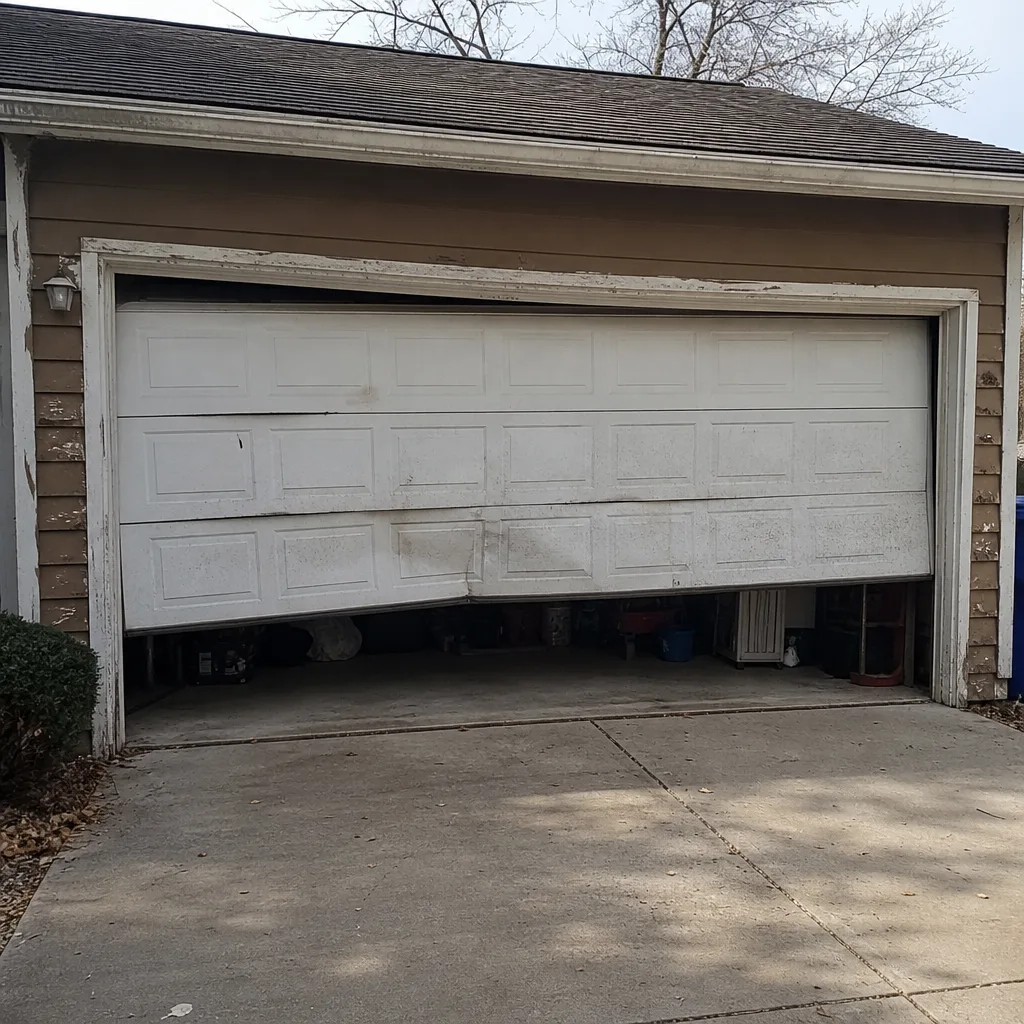 Before
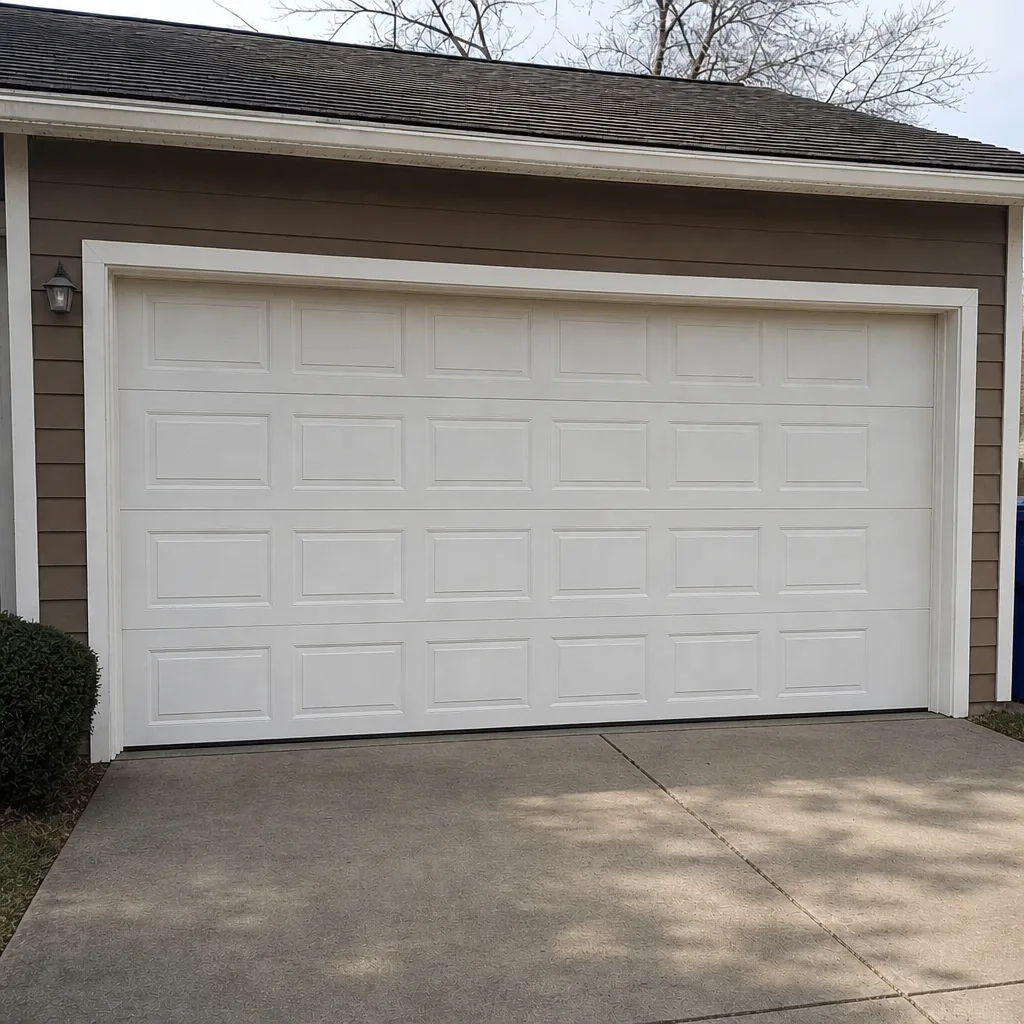 After
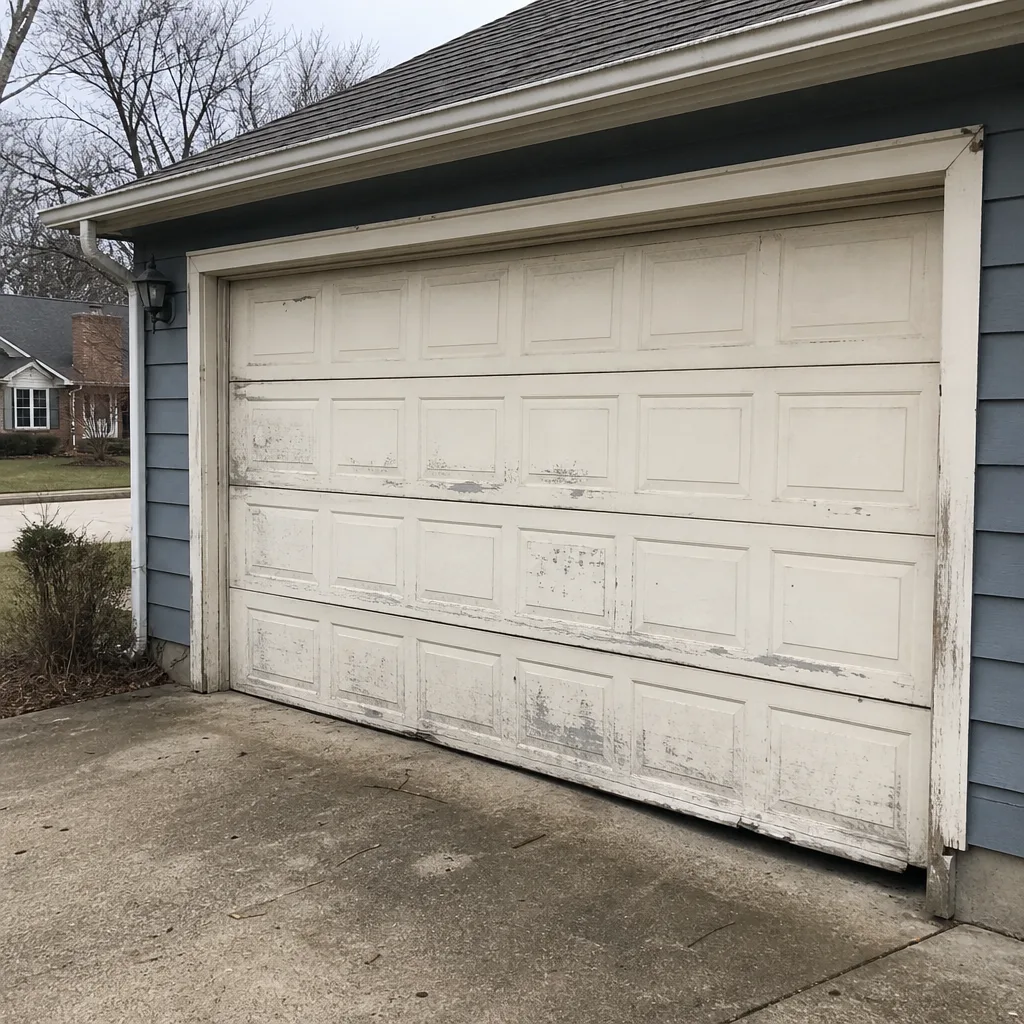 Before
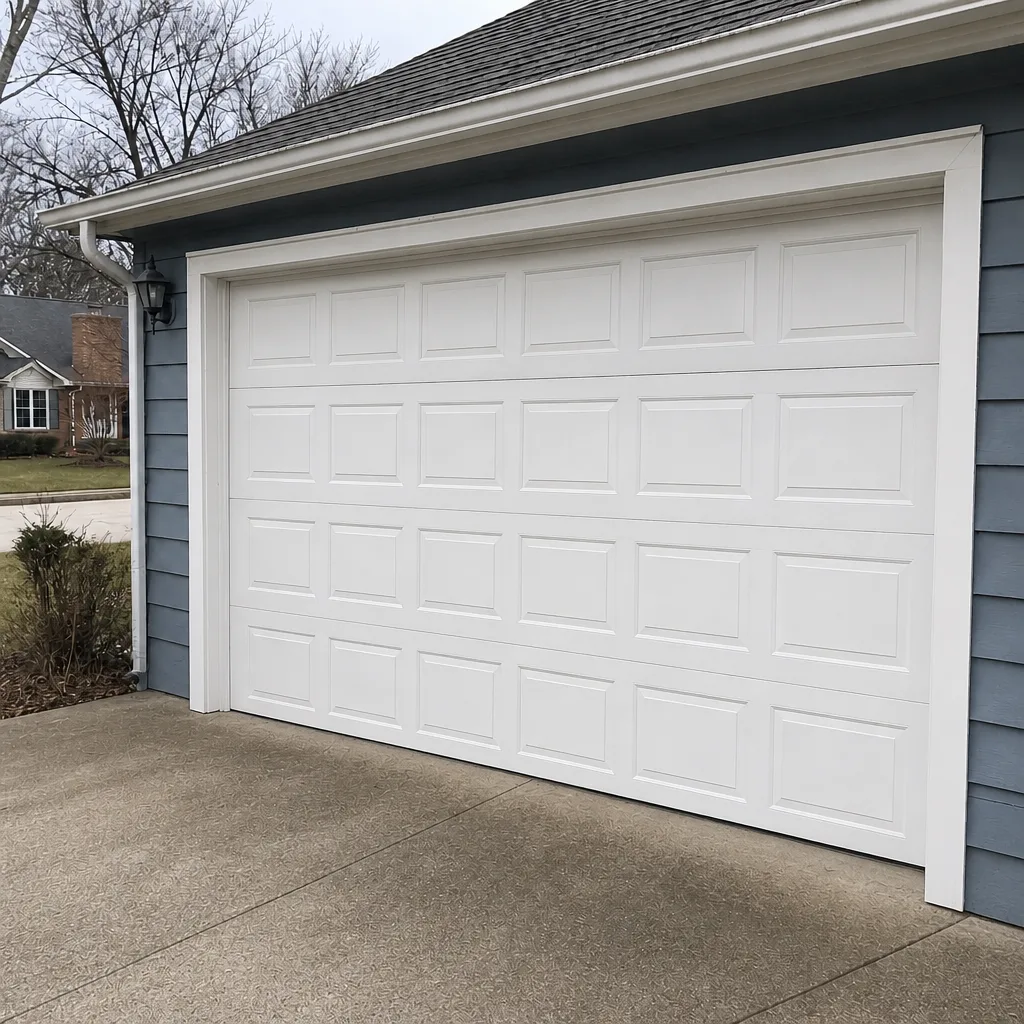 After
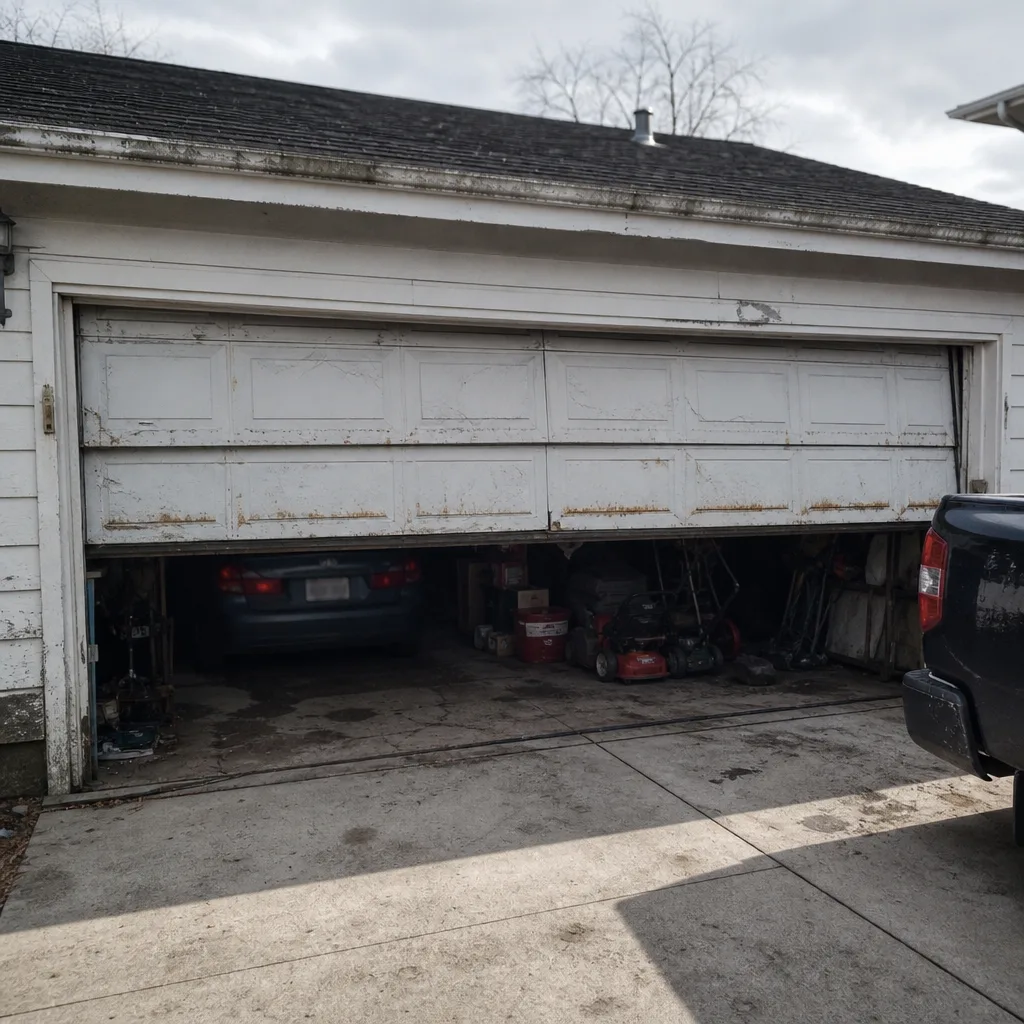 Before
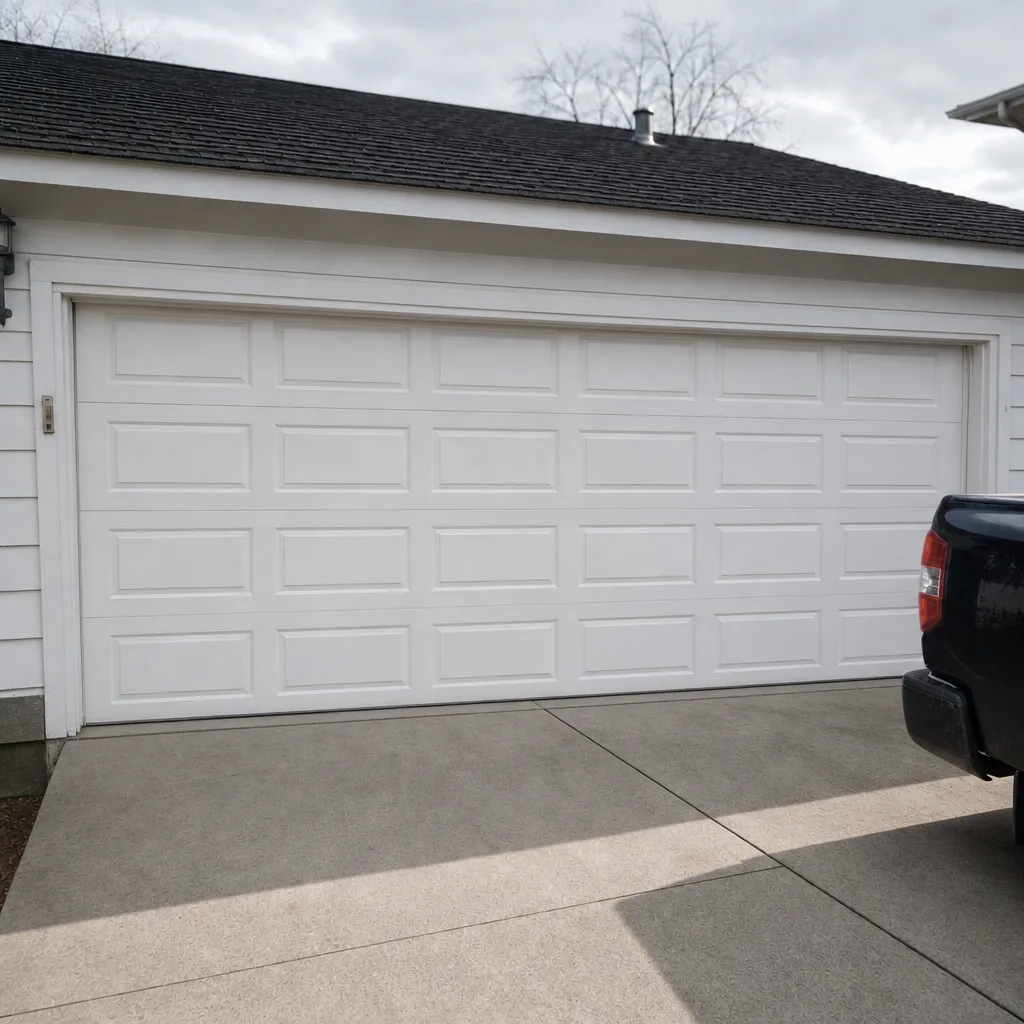 After
When to Call a Professional
Call us when a symptom reaches Tier 2 and you’d rather not risk it compounding, or immediately when any Tier 3 sign appears. If you’re not sure which tier you’re in, describe what the door is doing over the phone and we’ll tell you whether to hold off, schedule a visit, or stop using the door. If the door fails on a weekend or an evening, we still want to hear from you: our regular hours run early mornings and Sundays, and Saturday is the one day we’re closed. Emergency service is a real offering for us, not a line item on a brochure, and it exists for exactly these moments. Our team is also fluent in the equipment you already own, whether that’s a LiftMaster opener, a Clopay panel, or a Wayne Dalton system, so you don’t have to wonder whether your brand is supported. When it has to work, we’re the call. Whether you need a garage door repair scheduled next week or a second look at something you’re worried about, Wheaton Garage Door Repair Pros offers free estimates in Wheaton, and the price is quoted and agreed before any work starts: call (844) 713-9631.
Frequently Asked Questions
Adjustments and lubrication typically run as a modest service visit, roller and hinge replacements fall in the low hundreds, and spring replacement sits at the higher end because it’s a dedicated repair with real safety stakes. We don’t quote from a chart: the written estimate is the price, and it’s agreed before any work starts. Call (844) 713-9631 for an exact quote; estimates are free.
Opener lag. A door that takes an extra second to move after the remote is pressed is usually telling you the door has gained friction load. Most homeowners assume the remote is the problem. It almost never is.
Yes, emergency service is available for doors in the Tier 3 category: a snapped spring, a loose or broken cable, a door hanging crooked, or a door that won’t lift. Same-day service is possible for repair calls, and we can usually give you a window when you call. (844) 713-9631 gets you to a technician who can triage what you’re describing.
No. We quote the job before any work begins, and the price you agree to is the price you pay. If a technician finds an additional issue after starting, we stop and re-quote before doing more, so there are no invoice surprises.
Yes. The local professionals we connect you with are licensed and insured as Illinois requires, and our technicians have up to 9 years of experience. For spring and cable work specifically, that experience matters more than on any other repair.
A crack that stays in the finish coat, sits horizontally, or shows up as a chip is cosmetic. A vertical crack that runs the full height of the panel and continues into the stile, or a crack that’s wider at one end, is structural. The second type deserves an inspection. Any door with that pattern should be looked at before it’s cycled again.
The Bottom Line
Garage door warning signs are useful only if you know what they mean. The tier system matters more than the symptom itself: a squeak is a reminder, a grinding roller is a repair, and a snapped spring is a stop. Fixing Tier 2 signs when they show up is the difference between a modest repair today and a burned-out opener or a snapped cable a month or two from now. Wheaton’s climate and housing stock add their own wrinkles, but the mechanical logic doesn’t change. If you want a trained eye on your door, our technicians work on the brand you already have, and we’re happy to take a look before something smaller turns into something larger. Our team at Wheaton Garage Door Repair Pros is available for everything from a free estimate to a same-day emergency repair.
Written by the team at Wheaton Garage Door Repair Pros.