Last updated November 22, 2026
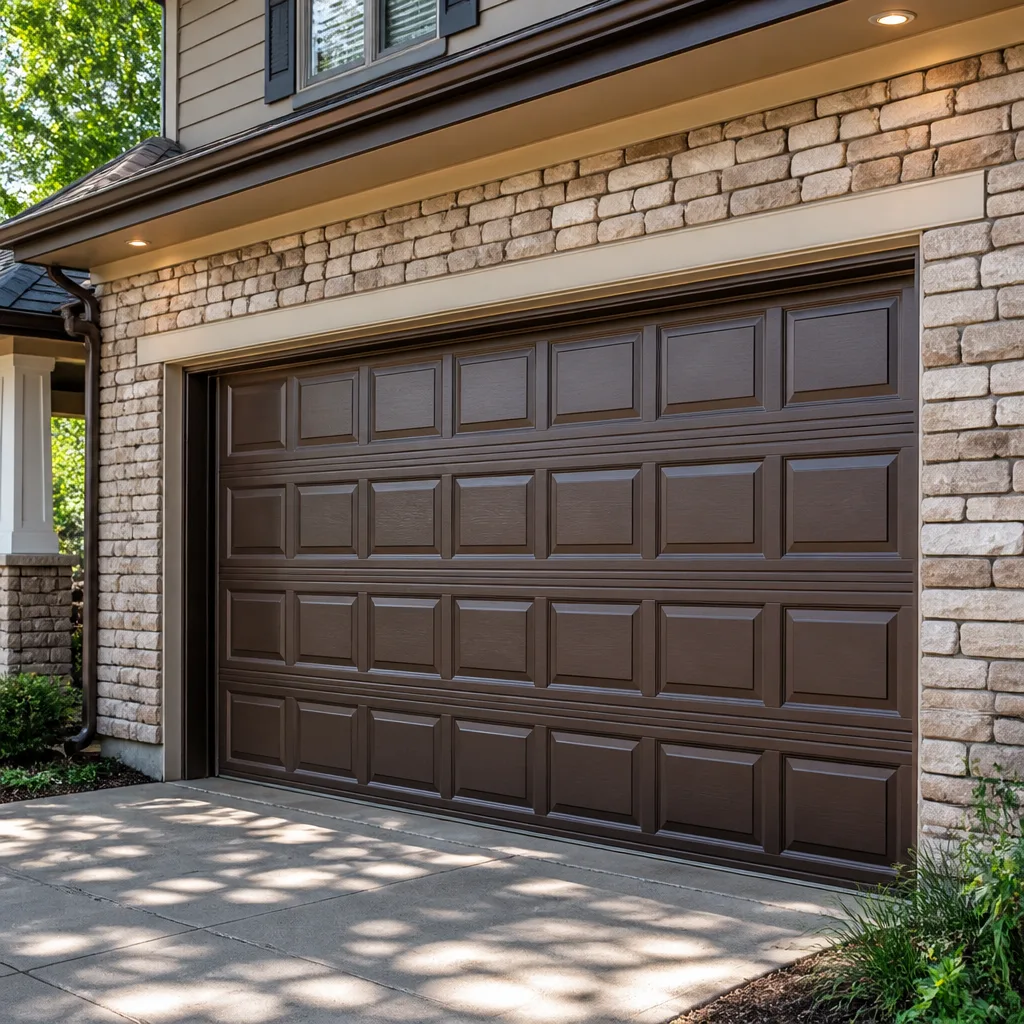 Raised-panel steel
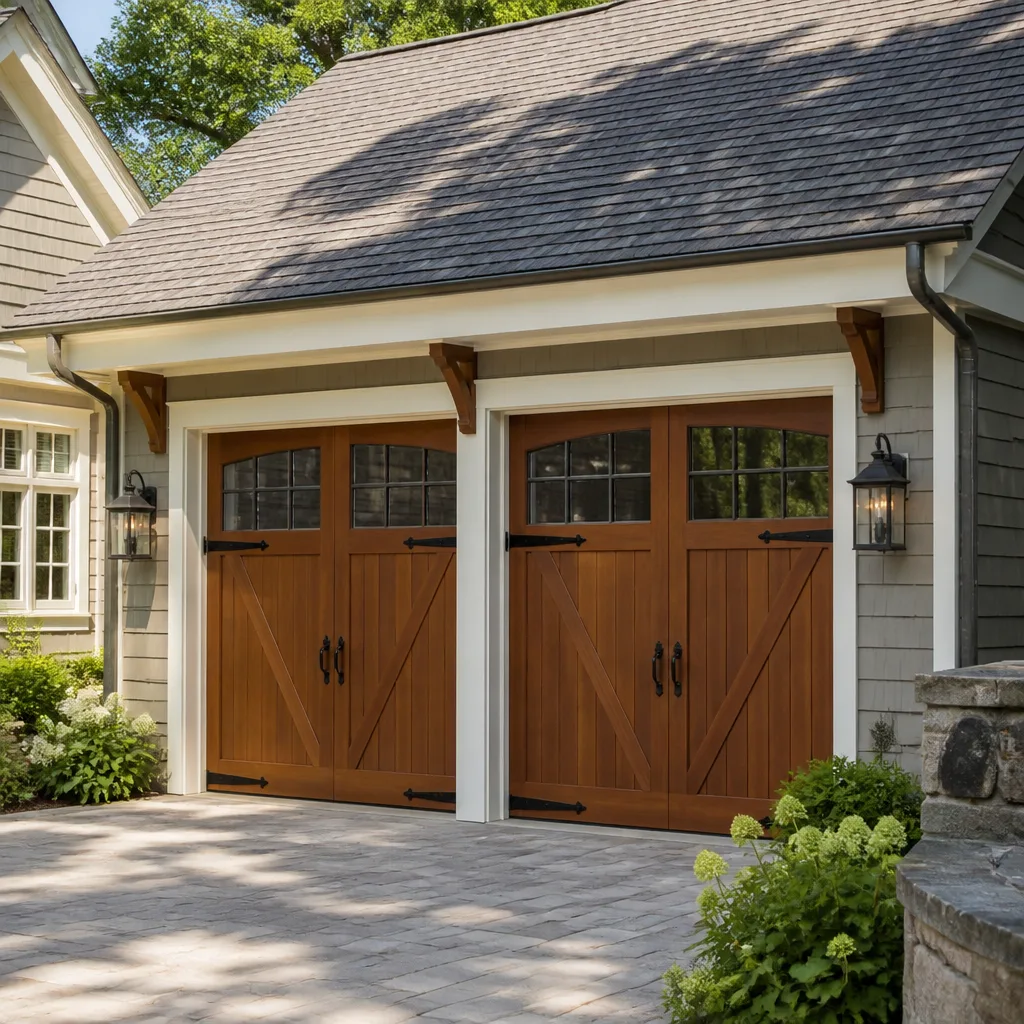 Carriage house
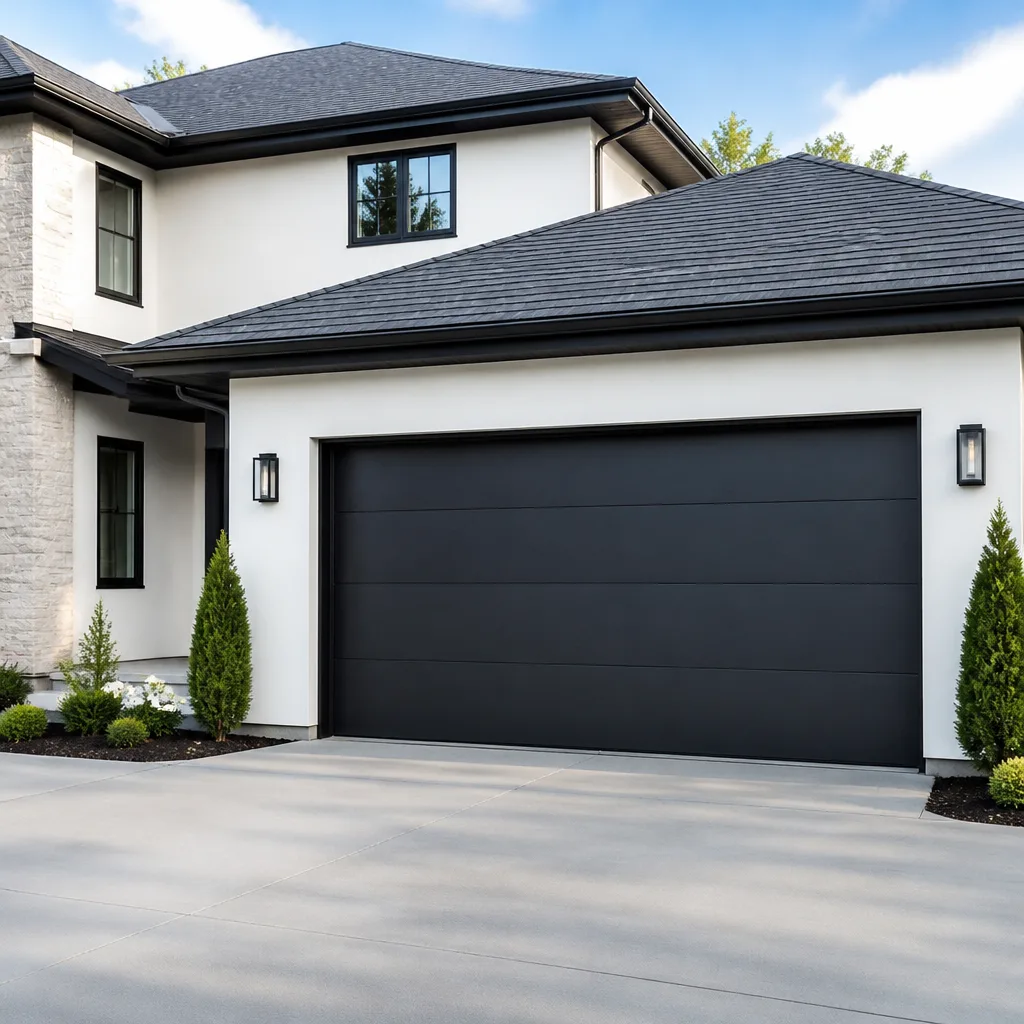 Modern flush
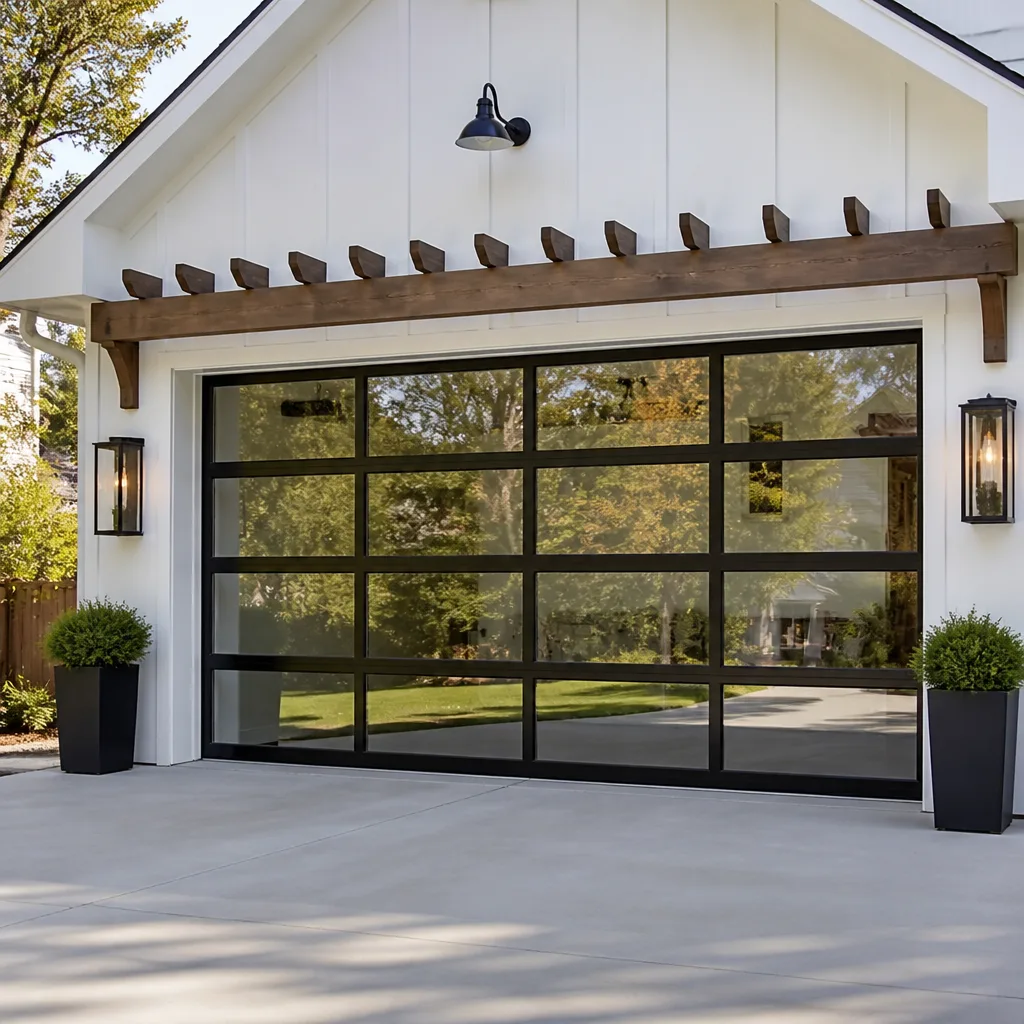 Full-view glass
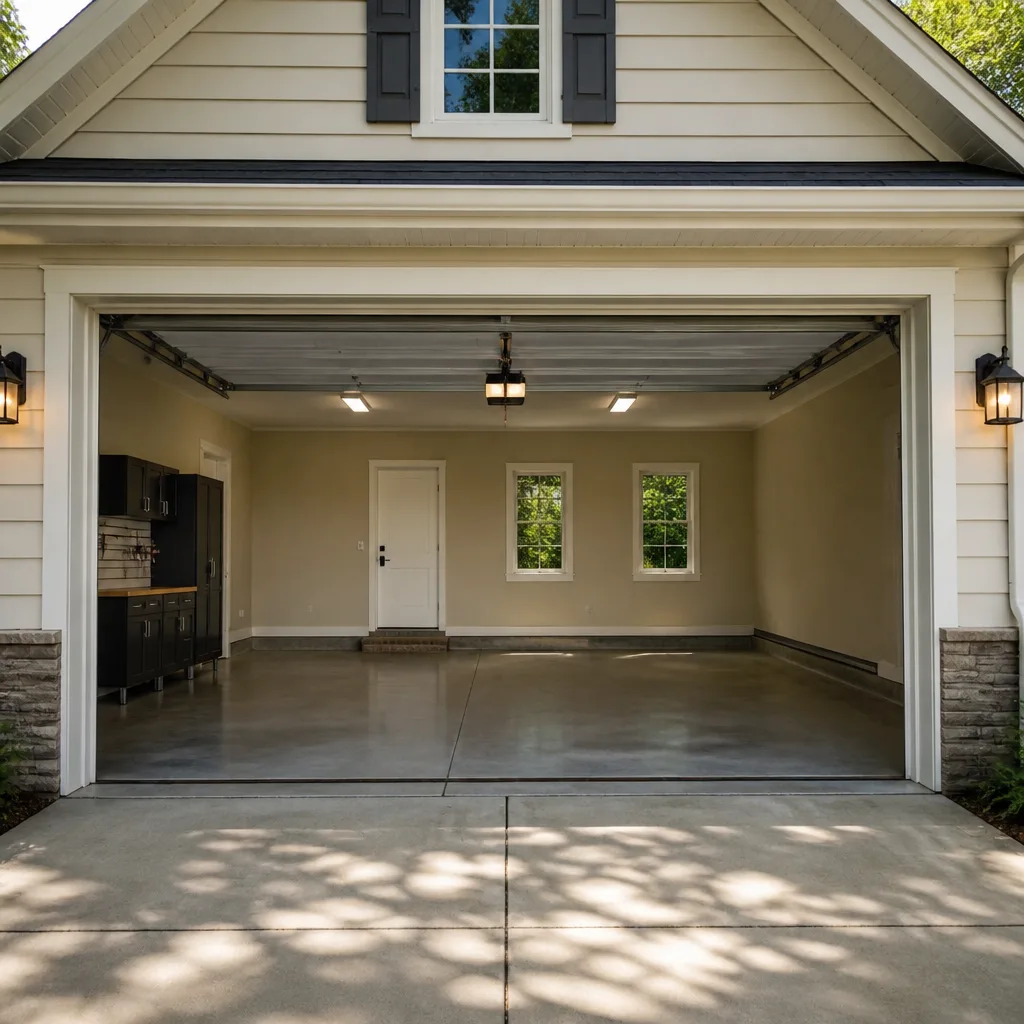 LiftMaster openers
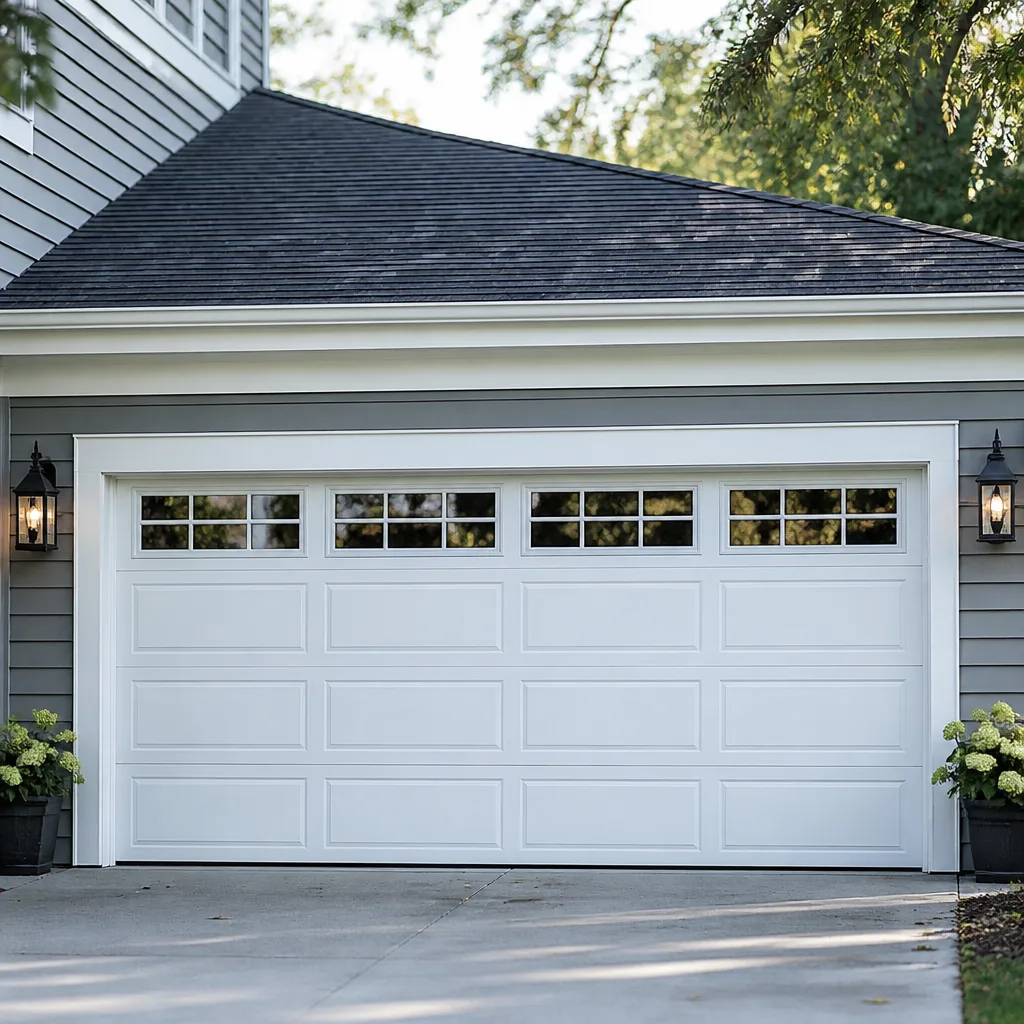 Chamberlain openers
Full 25-point door and opener safety check with every visit - springs, cables, rollers, tracks, and your LiftMaster or Chamberlain opener included
You get a price before we start. It does not change when the pro arrives.
Get your free estimateSeasonal Garage Door Care for Wheaton: Year-Round Homeowner’s Guide
October is the most important month for your garage door in Wheaton – not spring. The decisions you make before the first hard freeze are the ones that decide whether your door grinds to a stop on a January morning at 6 AM or runs clean straight through to March. Most seasonal maintenance advice treats the whole Midwest the same and splits the calendar into a spring and fall checklist. DuPage County doesn’t work that way. Four genuinely different seasons put four different kinds of stress on springs, panels, seals, and sensors, and each month asks something different of you. This guide gives you a month-by-month action calendar built around how Wheaton weather actually behaves, from July dew points to January cold snaps.
Quick Answer
The most effective seasonal garage door care in Wheaton follows the local climate rather than a generic checklist: inspect and lubricate in late fall before the first freeze, manage humidity and sensor alignment through the sticky July-August stretch, prepare a cold-weather emergency kit and keep the garage above freezing in winter, then re-calibrate springs and re-tension seals in spring. Two focused inspections a year – one in October, one in April – catch most problems before they strand you. The rest is small monthly checks that take minutes.
Styles & brands we work with
- Raised-panel steel
- Carriage house
- Modern flush
- Full-view glass
- LiftMaster openers
- Chamberlain openers
Table of Contents
- The Wheaton Month-by-Month Garage Door Calendar
- The Summer Humidity Problem Nobody Talks About
- Fall Prep in Priority Order: If You Only Have One Hour
- Your Winter Garage Emergency Kit
- Spring Re-Calibration: Undoing Winter’s Damage
- How Wheaton Housing Stock Changes the Advice
- What You Should Never Adjust Yourself
- What Seasonal Service Typically Costs in Wheaton
The Wheaton Month-by-Month Garage Door Calendar
Generic seasonal guides collapse the year into “spring and fall,” which misses half the stress points a Wheaton door actually faces. DuPage County runs humid summers, sharp freeze-thaw cycles through late fall, deep sustained cold in January and February, and a slow, wet spring warm-up. Each of those stresses a different component. Here’s how we think about the calendar, month by month.
- January-February: Cold contracts seals and stiffens grease. Watch for slow travel, grinding, and sensors fogging at dawn. Keep the garage from dropping below freezing.
- March: Freeze-thaw season. Water sneaks under the bottom seal and refreezes. Check the threshold and the weather stripping.
- April: The big re-calibration month. Reverse winter spring compression, re-tension seals, test the safety reverse.
- May-June: Doors that sat stiff all winter get their real workout as the garage opens more often. Listen for new noises.
- July-August: The humidity window. Wood doors swell, sensors drift, and metal hardware can sweat. This is the underrated season.
- September: Transition month. Clean tracks, clear summer grit, watch for the first cool nights.
- October: The single most important month. Lubricate, balance-test, tighten, prep before first freeze.
- November-December: Final checks and the winter emergency kit. If something’s going to fail, it fails here.
If you take one thing from this calendar, take October. The balancing and lubrication you do before the first freeze determines how hard your opener and springs have to work all winter. A door that’s slightly out of balance in September becomes a much harder job on a 10-degree morning. When October work gets skipped, that’s when people start searching for garage door repair in the middle of a cold snap.
The Summer Humidity Problem Nobody Talks About
Wheaton’s July and August dew points get almost no attention in garage door advice, and they should. High humidity does two quiet things: it swells wood doors and door frames, and it throws off the alignment of optical safety sensors. Both problems tend to show up weeks after the worst humidity, so homeowners blame the wrong season.
How humidity affects a wood door
A solid wood or wood-composite door absorbs moisture across the summer. Panels swell slightly, joints tighten, and a door that ran smooth in May can start to bind or rub by August. The rub usually shows up as scuff marks on the frame or a section that hesitates as it passes the header. The fix isn’t to force it – it’s to check the balance and give the panels room. If a wood door has been fighting the frame all summer, roughly six to eight weeks after the humid stretch ends you’ll often see the opposite problem: everything shrinks back and the door rattles or the panels separate slightly at the joints.
Why sensors drift in humidity
The optical safety sensors at the bottom of the tracks are small, and humid air, condensation on the lens, and summer dust combine to break the beam or scatter it. In our experience, a door that “randomly” reverses on a muggy afternoon is usually a sensor issue, not an opener failure. A quick wipe of both lenses and a check that the indicator lights on each sensor are solid (not flickering) resolves most of these. If it keeps happening, the mounting bracket may have loosened from the summer heat cycling the metal.
A short summer checklist
- Wipe both sensor lenses and confirm the indicator light on each one is steady.
- Look for fresh rub marks on the door frame and header; note where the door is binding.
- Run the door a full cycle and listen for a new squeak or groan in the hinges and rollers.
- Keep the garage ventilated on the muggiest days if you have a wood door.
None of this is heavy work. It’s the kind of thing a five-minute check on a Sunday catches before it becomes a repair call.
Fall Prep in Priority Order: If You Only Have One Hour
Fall prep matters most, and it matters in a specific order. If you have one hour before temperatures drop, do these tasks in this sequence. The first three protect the components that fail most expensively; the rest are good hygiene.
Priority 1: Balance the door
Pull the manual release and lift the door halfway by hand. It should hold roughly where you leave it. If it drops or rises on its own, the springs are out of balance, and running an unbalanced door all winter wears the opener and the springs fast. Don’t adjust the springs yourself – more on that below – but knowing the balance is off tells you to book it before the cold arrives.
Priority 2: Lubricate the moving parts
Use a garage-door-specific lubricant (not WD-40 as a lubricant) on the hinges, rollers, and the torsion or extension spring coils. A dry, unlubricated spring is louder and works harder in cold. Apply after a quick wipe-down of the tracks and hinges.
Priority 3: Check the bottom seal and weather stripping
Run your hand along the bottom seal. If it’s cracked, hardened, or not touching the floor evenly, cold air and moisture get in all winter. This is also the most common cause of a cold garage. Replacing a bottom seal is inexpensive compared to the problems a gap causes.
The rest of the hour
- Tighten the bolts on the hinges and the brackets – vibration loosens them over the year.
- Clear debris from the tracks; a leaf or a twig in the track causes a bind.
- Test the safety reverse: place a small object under the door, close it, and confirm it reverses.
- Check the opener’s down-limit so the door seals against the floor without forcing.
If a door is genuinely out of balance or a spring looks worn, that’s the point to stop and call. garage door spring repair is a dedicated service for a reason, and a spring that’s close to failing in October is a much easier job than one that snaps in a January cold snap.
Your Winter Garage Emergency Kit
When the temperature drops and a door fails, the first thirty minutes are what determine whether you’re stuck or back in service. A small winter kit kept in the garage covers the most common cold-weather failures. None of these are difficult fixes, and none require touching the springs.
What to keep in the garage
- The manual release cord and handle. Know exactly where it hangs and how to pull it. This is the single most useful thing in a failure – it lets you disconnect the opener and lift the door by hand.
- A backup battery for the opener. Modern smart openers from LiftMaster and Chamberlain use battery-backup units, and those batteries degrade in cold. Check the battery in fall and replace it if it can’t hold a cycle when the garage is at freezing.
- A de-icer safe for door seals. Rock salt and many ice melts degrade rubber and vinyl bottom seals. Use a seal-safe de-icer or sand near the door threshold, and keep ice from welding the door to the floor.
- A hand broom and scraper. Clear snow and ice away from the door before you open it. A door frozen to the threshold is one of the most common winter failure calls.
- A flashlight and a multitool. Not for the springs, but for a hinge pin that’s worked loose or a track bolt that needs a quarter turn.
What to do if the door is stuck closed
- Confirm the opener is powered and the wall button responds.
- Check the manual release – is it engaged from a previous trip?
- Look at the sensors; a cold sensor can fog or the lens can frost over.
- Make sure the door isn’t iced to the floor before you force it.
- If the door lifts easily by hand but the opener won’t run it, the problem is likely the opener or its logic, which is garage door opener repair territory.
If none of that resolves it, an emergency call is worth it – a door stuck closed in January is a security problem as much as a convenience one. Our technicians have up to 9 years of experience with cold-weather failures, and we work on the brand you already have, whether that’s a LiftMaster opener or a Raynor door.
Spring Re-Calibration: Undoing Winter’s Damage
Winter does measurable damage to a garage door that spring is the natural time to reverse. Cold contracts the seals and weather stripping, compresses the spring behavior, and leaves metal hardware slightly looser than it was in fall. None of that usually shows up as an obvious failure – it shows up as a door that’s slightly louder, slightly slower, or that doesn’t seal quite as tightly. Spring re-calibration is the work of undoing winter’s gradual wear before summer humidity adds its own stress.
Re-tension the seals
Bottom seals and side stripping contract in cold and often don’t fully recover. Run a hand along the bottom seal again in spring and look for daylight under the door. If the seal has a visible gap, replace it – a new seal restores the weather-tight fit and stops the draft that made your garage cold all winter.
Re-check the balance
Cold stiffens grease and changes the spring’s feel. Re-do the balance test: manual release, lift halfway, watch whether it holds. A door that came out of winter slightly out of balance is the most common spring re-calibration item. This is also the point to schedule a professional balance if you don’t have a clear read on it.
Re-lubricate and re-test
- Wipe down the hinges and rollers and re-apply garage-door lubricant.
- Clean the tracks and check for any new dents or bends.
- Test the safety reverse with an object under the door.
- Check the sensors again – spring temperature swings can loosen a bracket.
- Run two or three full cycles and listen; a new sound is the cue to look closer.
Spring is also the month to look at a door that’s been patched together all winter. If it’s more repair than maintenance, new components are worth weighing. Our full service arc runs from Wheaton Garage Door Repair Pros emergency work through complete installation, so you’re not sourcing multiple contractors for one door.
How Wheaton Housing Stock Changes the Advice
Where a door lives in Wheaton affects how it ages. Older homes near the downtown Wheaton core and around the established blocks off Roosevelt Road often have detached or attached garages with wood or wood-composite doors, and those doors are the ones most sensitive to the summer humidity and winter contraction described above. A wood door benefits from the seasonal checks more than a steel door because it moves with the weather. Steel and aluminum doors, more common on newer construction, are less humidity-sensitive but more likely to show dents and to have seals that stiffen in cold.
Attached versus detached matters too. An attached garage that shares a wall with the house holds warmth better, so its door and opener see less extreme cold than a detached garage. Detached garages swing harder with the season, so the January checks and the spring re-calibration are worth being more disciplined about. Houses on the tree-lined streets with heavy summer shade stay humid longer in the fall, which can delay the drying that a wood door needs before winter.
The practical takeaway: if you’re in an older home with a wood door in Wheaton, give more weight to the summer humidity and fall drying checks. If you’re in newer construction with a steel door, give more weight to the winter balance and seal checks.
What You Should Never Adjust Yourself
A garage door’s springs are under high tension at all times, and adjusting them is the single most dangerous task in the trade. Do not attempt to loosen, tighten, or replace torsion or extension springs yourself – a released spring can cause serious injury. The same goes for cables, which carry that same tension. This is a job for a trained professional, and it’s why spring repair is a dedicated service rather than a line item.
There are also electrical safety considerations. Openers run on household current, and if the problem is at the wiring or the opener’s power board, it’s a job for someone qualified. The safety reverse and the optical sensors are fine for you to test and clean; the internal opener electronics are not a homeowner task.
Here’s what you can safely do: run the balance test by hand, lubricate hinges and rollers, clean the tracks, wipe the sensor lenses, replace the bottom seal, keep the threshold clear of ice, and test the safety reverse. That’s most of the seasonal care in this guide. If your checks point to a spring, a cable, or the opener’s internal electronics, that’s the point to call a pro. If anything about the spring concerns you, stop and book it – our spring techs are experienced with LiftMaster, Chamberlain, Genie, Clopay, Amarr, Wayne Dalton, Craftsman, and Raynor equipment, and they’ll tell you plainly what’s worn.
What Seasonal Service Typically Costs in Wheaton
Seasonal maintenance and the repairs it prevents have different price profiles, and it helps to know roughly what each costs before you call. The ranges below are typical estimates for the Wheaton market; the written estimate you receive sets the final price, and it’s quoted and agreed before any work starts. These numbers are for reference, not a quote.
| Task | Typical estimated range |
|---|---|
| Seasonal tune-up / maintenance visit | $80 – $150 |
| Bottom seal or weather stripping replacement | $100 – $220 |
| Single spring replacement | $180 – $340 |
| Matched pair of springs (usually replaced together) | About twice the single-spring range |
| Opener repair (sensor, logic board, or drive) | $120 – $300 |
| Full door installation (single-car) | $900 – $2,500 |
Spring prices are per spring because a matched pair is usually replaced together – a pair costs about twice a single spring. That’s not an upsell; a mismatched spring set works unevenly and wears faster. The reason to spend on an October tune-up rather than wait for a January failure is that the failure call usually costs more: an emergency repair plus the repair the tune-up would have caught.
If you want a firm number, we offer free estimates in Wheaton. Call us today and we’ll walk through what your door needs before any work starts. And if the price does change once we see the door, that’s a conversation before the work, not a surprise on the invoice – the written estimate is the price.
Common Mistakes to Avoid
- Treating fall as the only important season. October matters most, but spring re-calibration and summer humidity checks are where most homeowners skip. A door that gets only fall care still accumulates winter damage that never gets addressed.
- Lubricating with the wrong product. WD-40 is a solvent, not a garage-door lubricant. It cleans but doesn’t protect, and over time it can attract grit to hinges and rollers. Use a product made for garage doors.
- Forcing a frozen door. In a Wheaton winter, a door frozen to the threshold is common. Forcing it with the opener strains the motor and can damage the bottom seal. Clear the ice first.
- Ignoring the summer humidity window. Dew points in July and August put the most stress on wood doors and sensors, and most homeowners don’t look at the door at all in summer. A five-minute check in August saves a repair in October.
- Adjusting springs yourself. The most dangerous mistake on this list. Springs are under tension and a released spring can cause serious injury. Call a professional.
- Leaving a worn bottom seal all winter. A cracked seal lets cold air and moisture in, and the moisture contributes to a cold garage and to rust on the hardware. It’s inexpensive to replace and one of the highest-value seasonal tasks.
- Running an unbalanced door to squeeze more life out of it. An unbalanced door wears the opener and the springs faster, so the “savings” from deferring a repair usually costs more within a season.
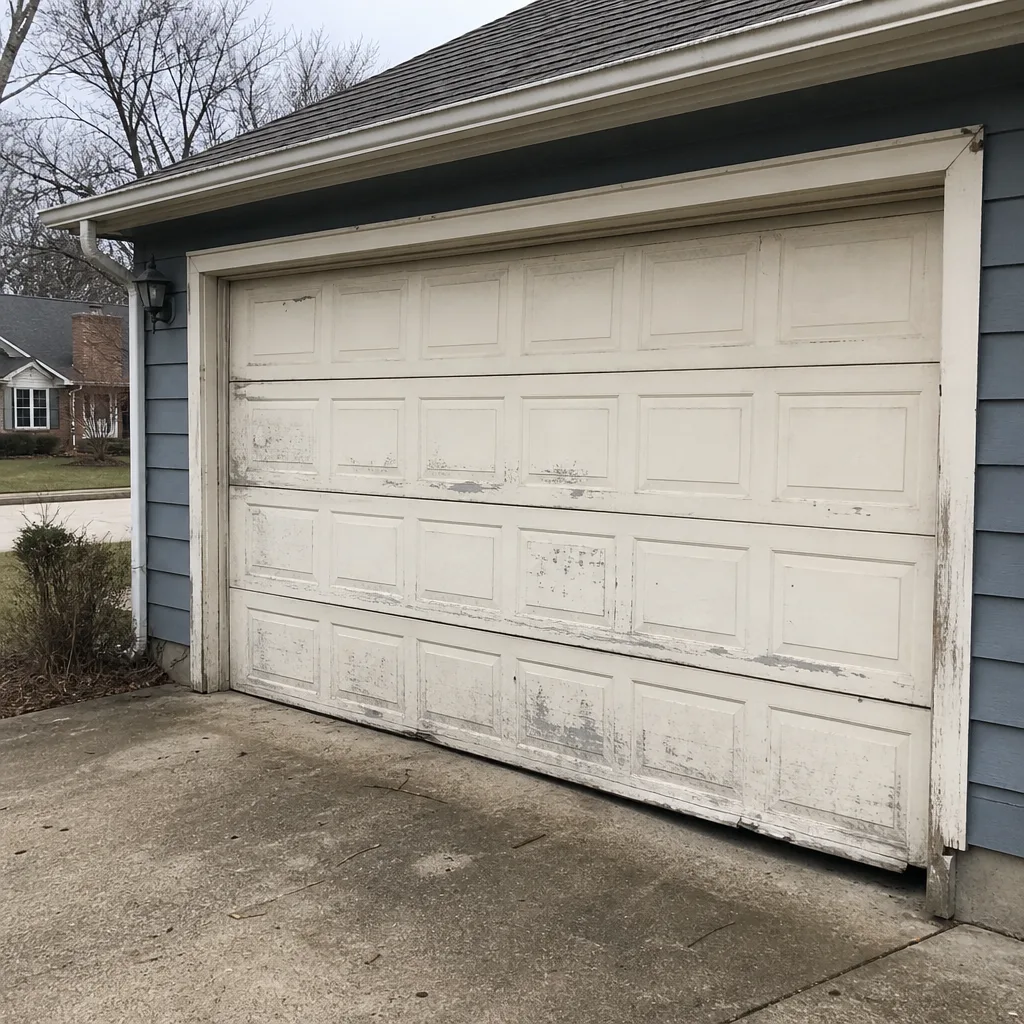
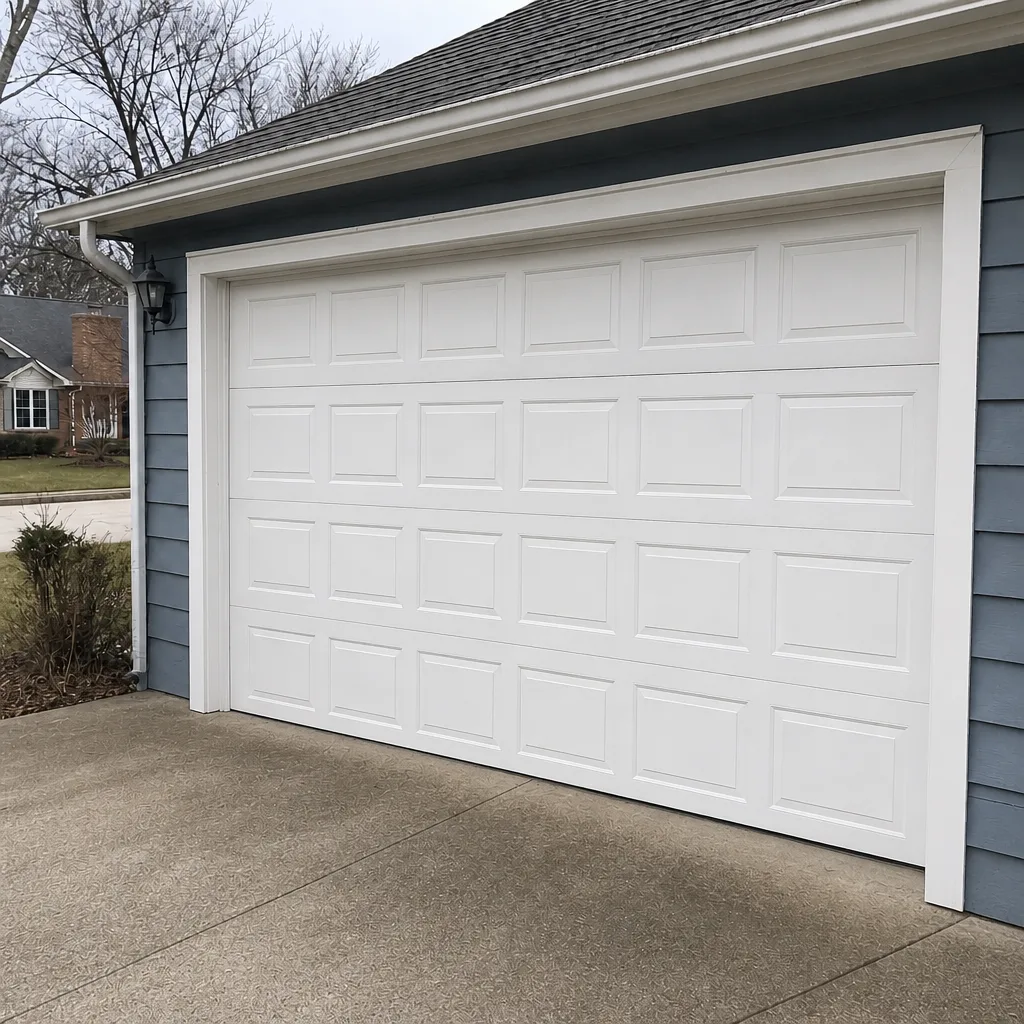
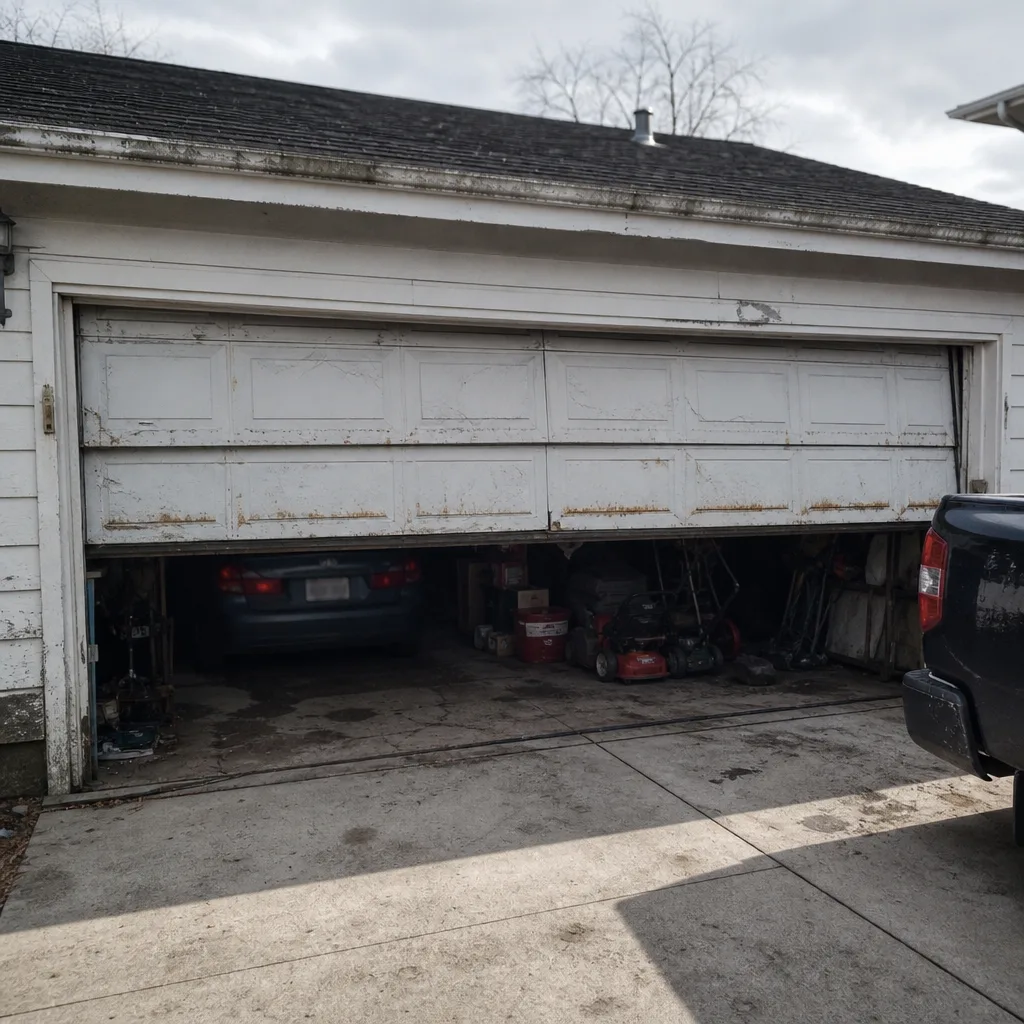
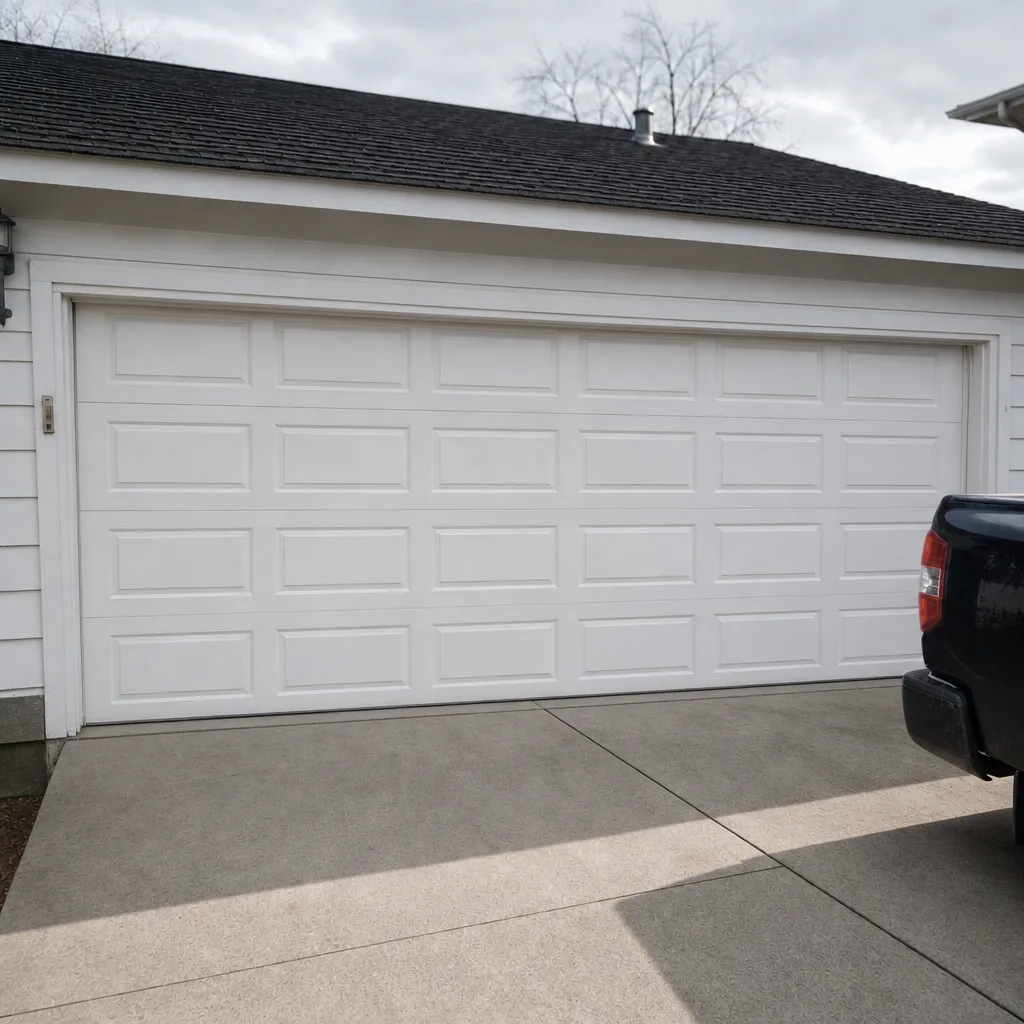
See the difference
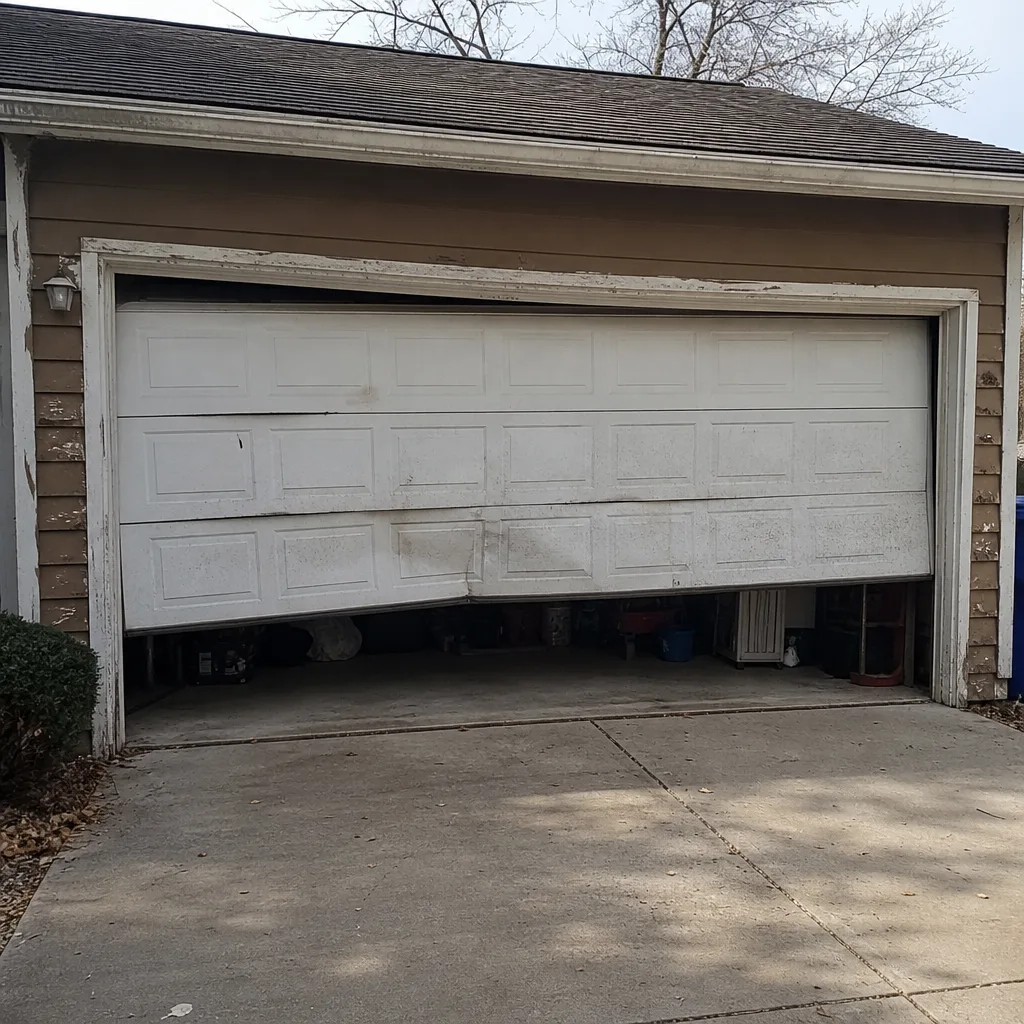 Before
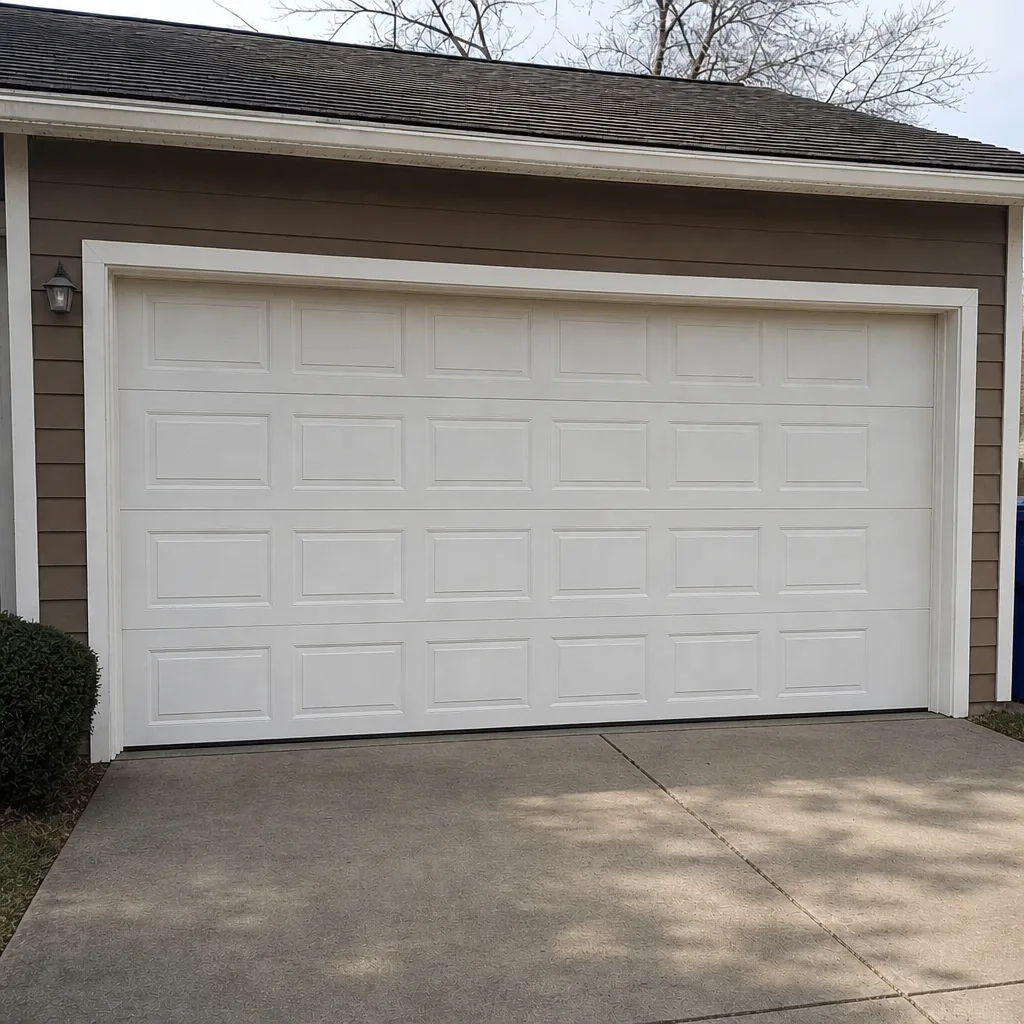 After
 Before
 After
 Before
 After
When to Call a Professional
Some seasonal work is yours, and some should go to a trained technician. Call a professional if the door is out of balance after your fall or spring check, if a spring looks worn or the door is hard to lift by hand, if a cable is visibly frayed, if the opener won’t complete a cycle or its logic is acting up, if the door has sustained a dent or impact, or if a sensor problem keeps coming back after cleaning. An emergency call makes sense if a door is stuck closed and you need it working. Wheaton Garage Door Repair Pros offers free estimates in Wheaton – call (844) 713-9631. Our technicians have up to 9 years of experience and work on the brand you already have.
Frequently Asked Questions
October. The lubrication, balancing, and seal checks you do before the first freeze determine how hard the door works all winter, and a door that’s out of balance in October is the one that fails in January. Spring is the second most important month for re-calibration.
For repair calls, yes – same-day service is available, and emergency garage door service is a core offering, not an add-on. Wheaton Garage Door Repair Pros provides fast dispatch from 7am to 7pm. Call (844) 713-9631 for an exact quote. Estimates are free.
A single spring replacement typically runs $180 to $340, and a matched pair is usually replaced together, so a pair costs about twice that. The written estimate you receive sets the final price, quoted and agreed before any work starts. Call (844) 713-9631 for an exact quote.
No surprise invoices. The price is quoted and agreed before any work starts, so the written estimate is what you pay. If we find something unexpected once we’re on site, that’s a conversation before the work, not an adjustment after it. Call (844) 713-9631 for a free estimate.
July and August dew points swell wood doors and drift optical sensor alignment. A wood door that binds in late summer or a door that randomly reverses on a muggy afternoon is usually a humidity effect, not a part failure. Wiping the sensor lenses and checking the balance resolves most of it.
Most of it, yes. Lubrication, track cleaning, sensor wiping, balance testing, and bottom seal replacement are all homeowner-safe. Spring and cable adjustment are not – those are high-tension components, and adjusting them yourself risks serious injury, so call a professional for any spring or cable work.
The local professional we connect you with is licensed and insured as their state requires. Wheaton Garage Door Repair Pros connects homeowners with independent local pros who are state-licensed and insured, and we work on LiftMaster, Chamberlain, Genie, Clopay, Amarr, Wayne Dalton, Craftsman, and Raynor equipment. Call (844) 713-9631 for a free estimate.
The Bottom Line
Seasonal garage door care in Wheaton isn’t a spring-and-fall checklist – it’s a month-by-month response to four distinct seasons. October is the month that matters most: balance, lubricate, seal, and test before the first freeze. Summer humidity gets the least attention and deserves more, because it swells wood doors and drifts sensors. Winter is about the emergency kit and keeping the door from freezing to the threshold. Spring is where you undo winter’s compression with re-calibration and fresh seals. Do the safe checks yourself, call a pro for springs and cables, and get a written estimate before any work. When it has to work, that’s the sequence that keeps a Wheaton door running all year.
If your seasonal checks turn up something that needs a technician, Wheaton Garage Door Repair Pros is one call away. Free estimates, upfront pricing, and a documented brand focus across the major names. Call (844) 713-9631 for a free estimate in Wheaton.
Written by the team at Wheaton Garage Door Repair Pros.