Last updated November 22, 2026
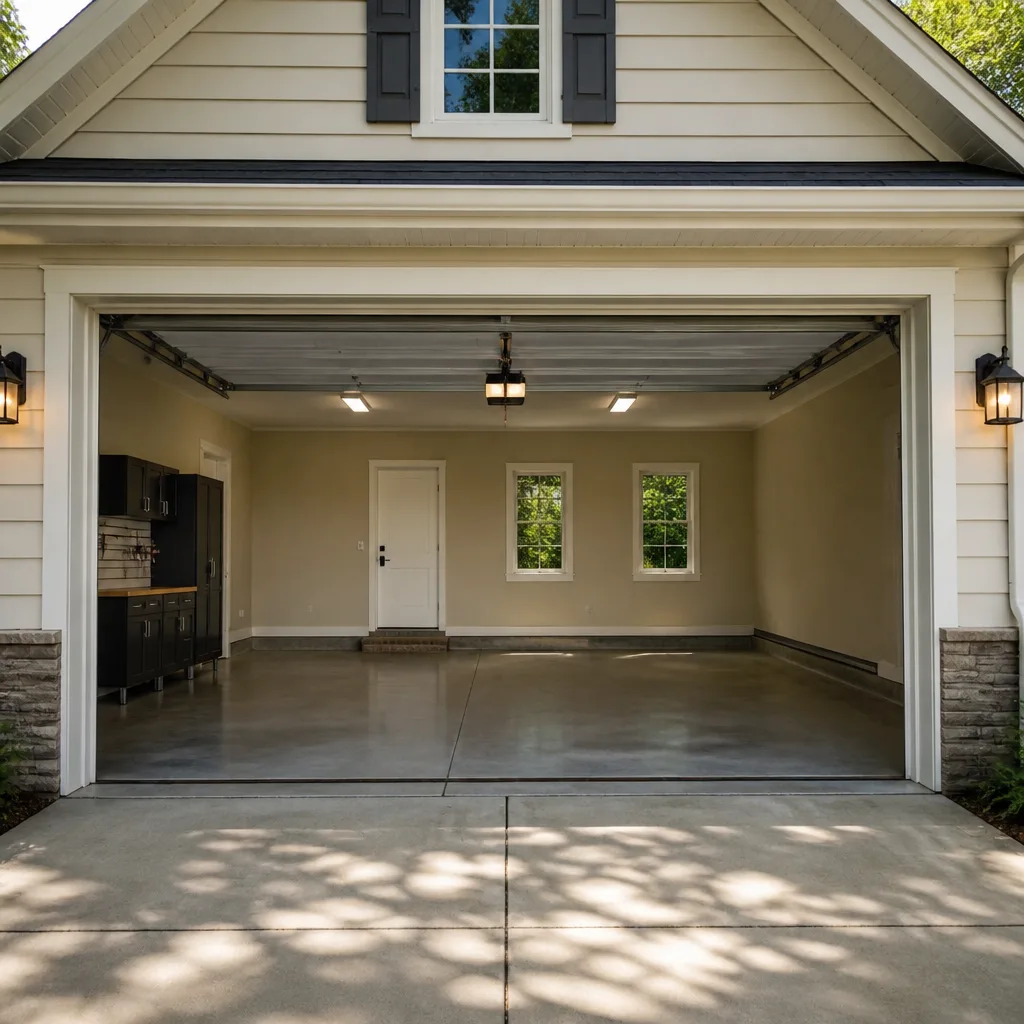
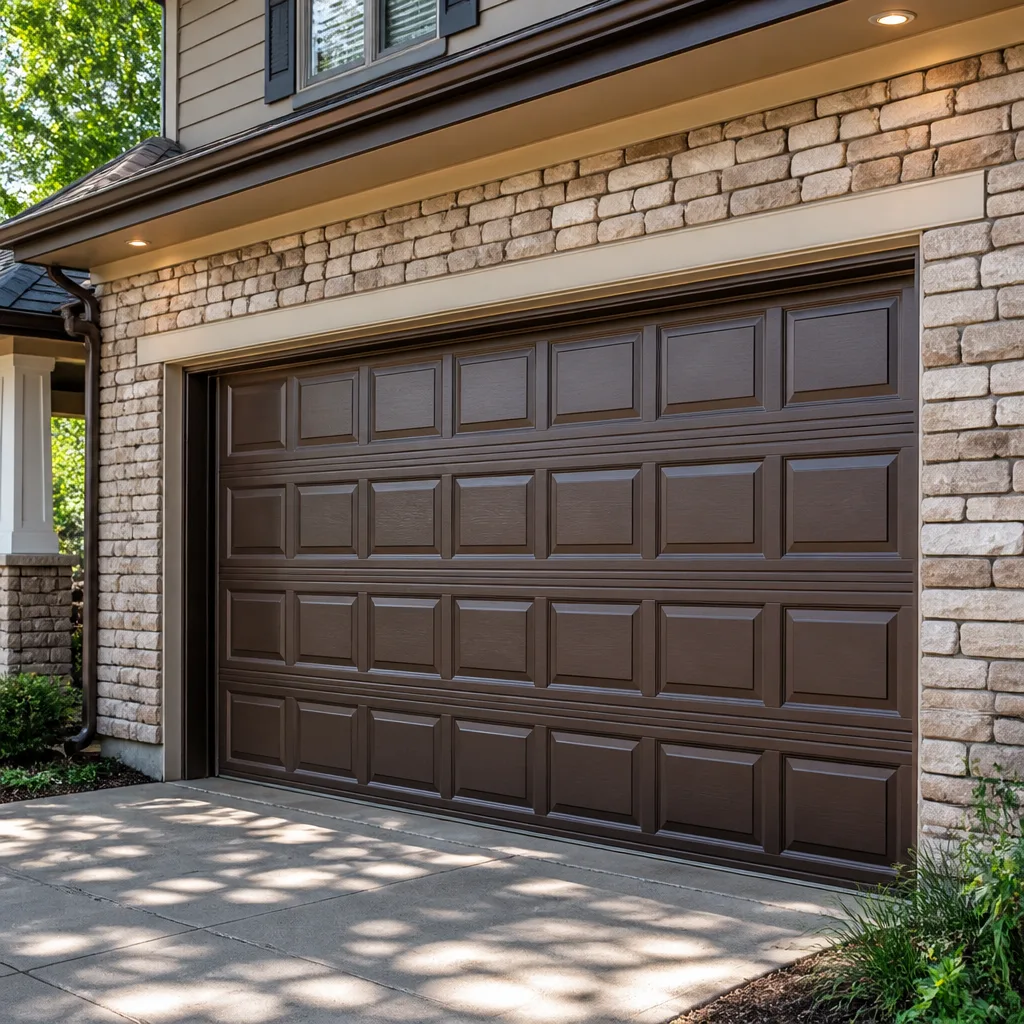 Raised-panel steel
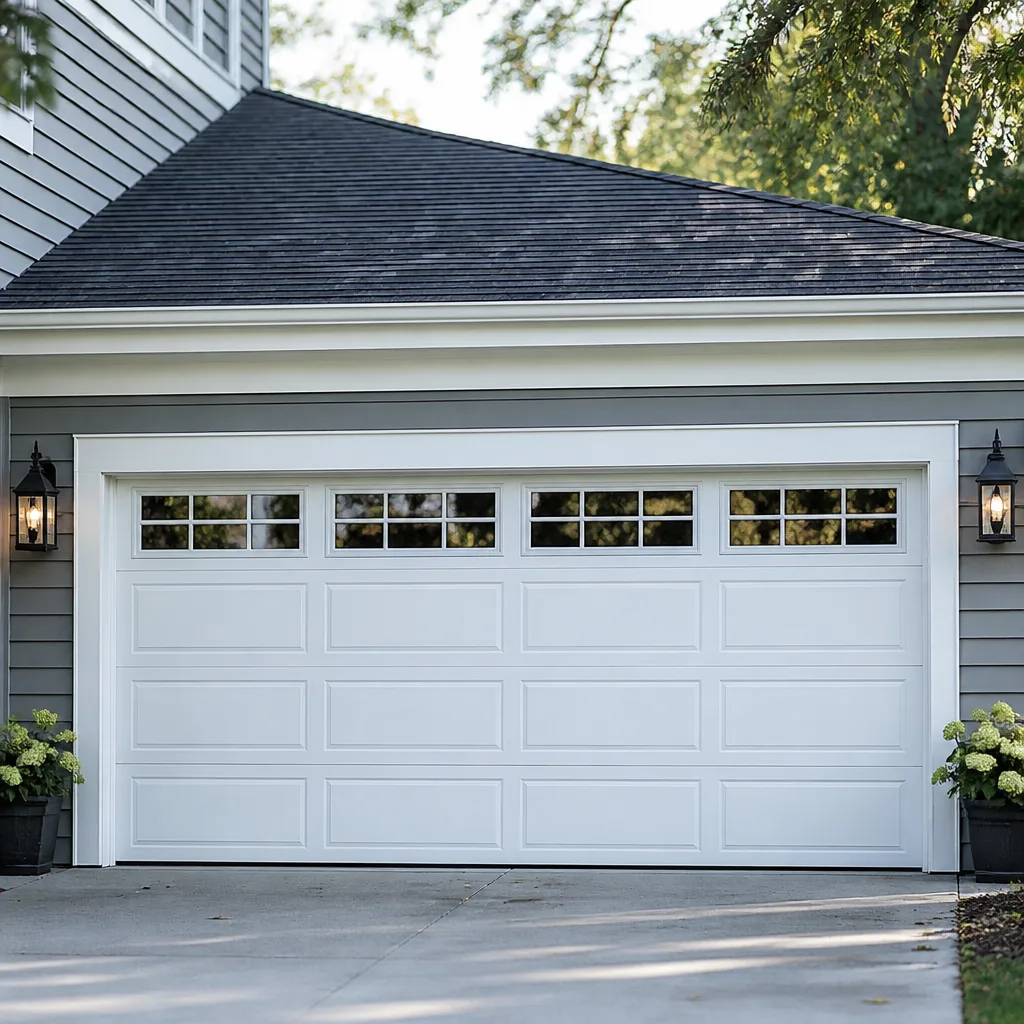
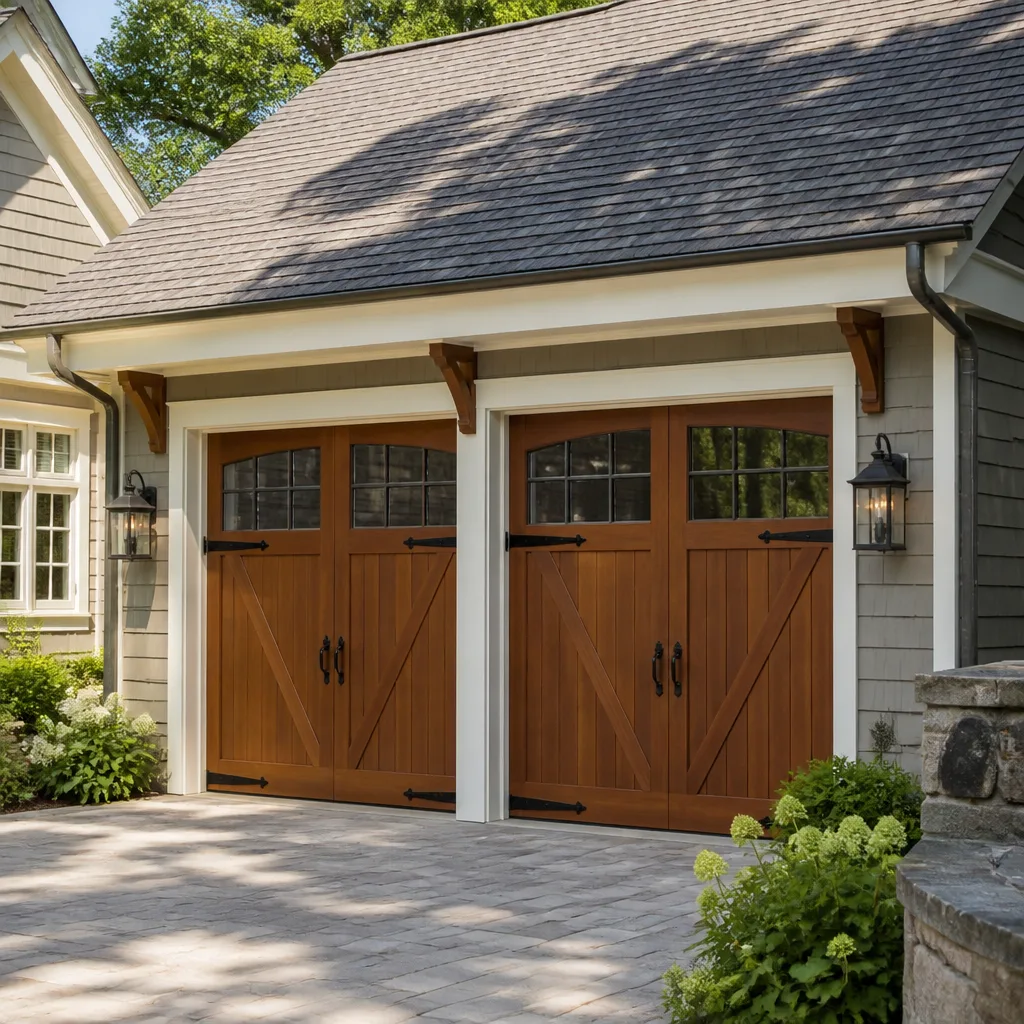 Carriage house
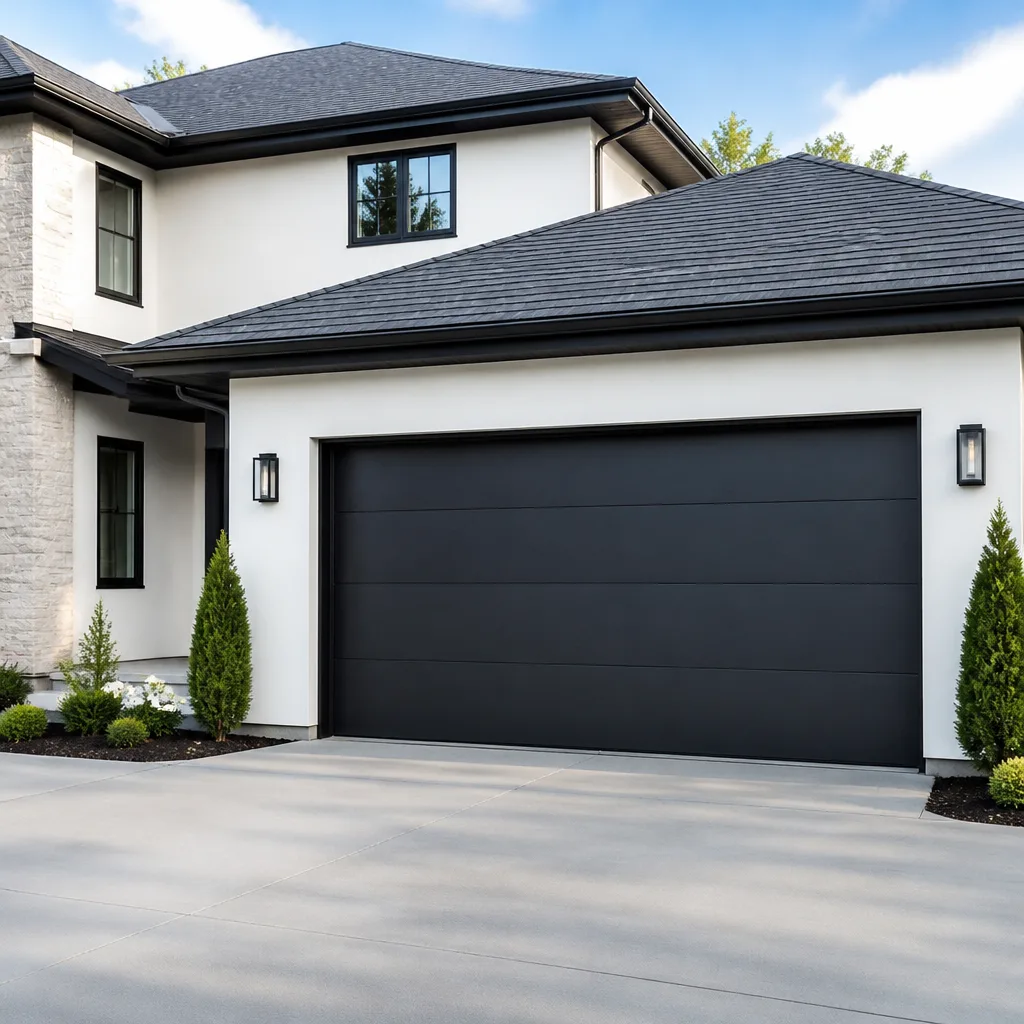 Modern flush
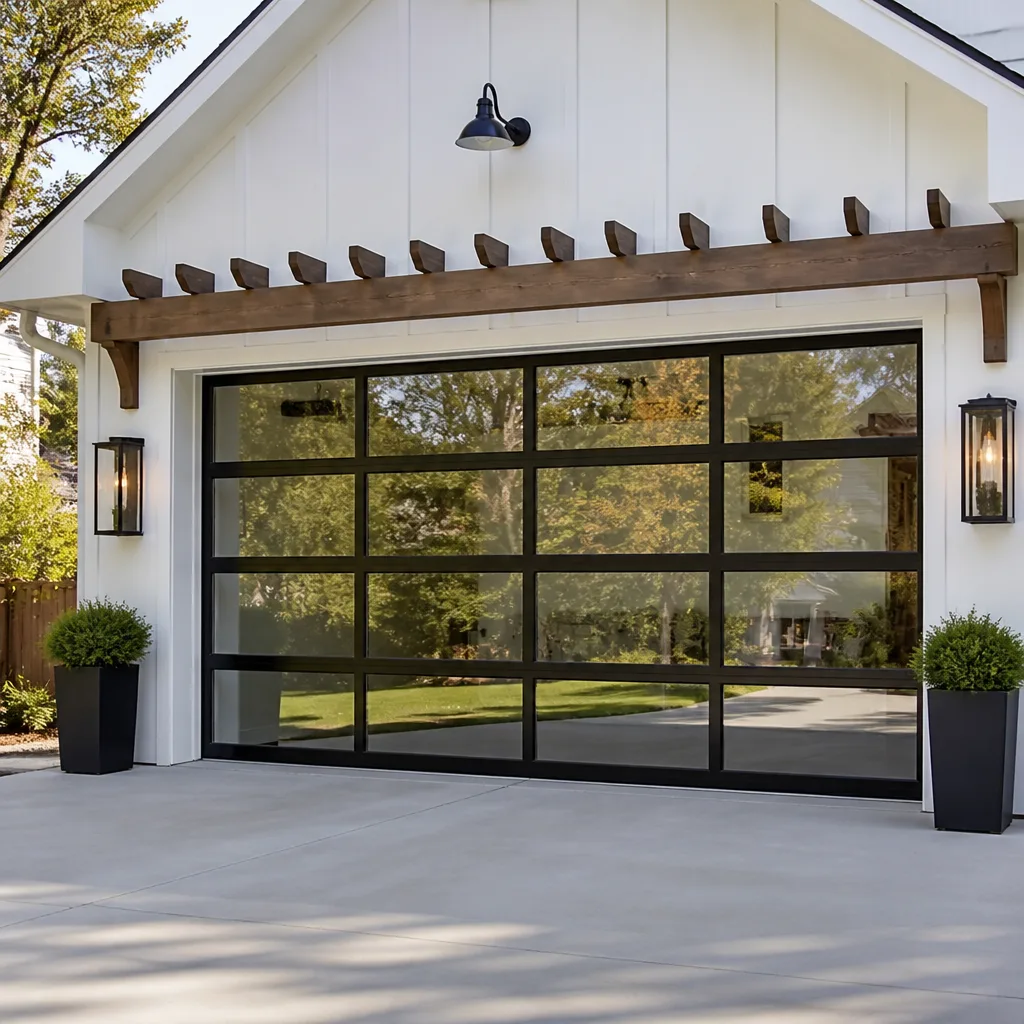 Full-view glass
 LiftMaster openers
 Chamberlain openers
Full 25-point door and opener safety check with every visit - springs, cables, rollers, tracks, and your LiftMaster or Chamberlain opener included
You get a price before we start. It does not change when the pro arrives.
Get your free estimateThe Complete Guide to Garage Doors in Wheaton
Most garage door upgrade plans in Wheaton get rejected after the check is already written. Historic district review and HOA architectural approval both govern what a door can look like here, and neither one asks how much you’ve spent so far. A door that’s perfectly code-compliant can still get turned down because the panel profile isn’t on the approved list for your subdivision, or because the color chips didn’t match the field review. This guide maps the whole lifecycle of a Wheaton garage door, from the first installation to the replacement decision twenty years later, so you understand the local climate loads, the housing-era quirks, the approval layers, and the real cost of a cheap door versus a mid-grade one before you commit. Consider it the homeowner’s reference the sales brochures leave out.
Quick Answer
A garage door in Wheaton needs to be built for a hard freeze-thaw climate, checked against your HOA or historic district rules before you order, and matched to the era of your house so parts and panels actually fit. Repair is usually the right call for mechanical failures, and replacement makes sense when the structure, panels or safety systems are failing together. Any quote should be written down and agreed before work starts, and in this climate the bottom seal and torsion springs are the first parts you’ll be paying for.
Styles & brands we work with
- Raised-panel steel
- Carriage house
- Modern flush
- Full-view glass
- LiftMaster openers
- Chamberlain openers
Table of Contents
- How Wheaton’s freeze-thaw cycles wear out your door
- HOA and historic district rules that govern doors in Wheaton
- Wheaton’s housing eras and the doors that came with them
- Brands and parts availability along the western DuPage corridor
- Repair or replace? A decision framework
- Springs and openers: the two systems that fail most
- What a cheap door costs at year 8 versus a mid-grade door at year 15
How Wheaton’s freeze-thaw cycles wear out your door
Wheaton spends an average of more than 25 days a year at or below 20°F, and that number matters more than the occasional deep freeze. What wears doors out is the repetition: the door warms through the afternoon, seals soften, and then the temperature drops and everything contracts again. Torsion spring steel is the part most affected. Springs are rated by cycle count, and every open and close uses one. A spring within its rating can still snap early in this climate because the metal is flexing through a much wider temperature swing than the rating assumes, so spring metal fatigue arrives sooner here than the number on the label suggests.
The bottom seal is the other consistent loser. Vinyl and rubber seals stiffen in cold, then get pressed against a concrete apron that has heaved or cracked through freeze-thaw. Once the seal hardens it stops conforming, and the gap it leaves lets cold air, meltwater and pests under the door. You’ll notice it as frost inside the threshold, water staining on the slab, or a draft you can feel near the floor.
- Torsion springs: metal fatigue arrives faster; expect replacement sooner than an equatorial-climate rating implies.
- Bottom seals: harden and lose their seal; the cheapest part to replace and the most expensive to ignore.
- Track and hinges: expansion and contraction loosen fasteners; tracks drift out of plumb over time.
- Concrete apron: heaving and pitting leave the door closing onto an uneven surface, which wears the seal unevenly.
- Paint and finish: freeze-thaw opens small cracks on wood and some steel finishes, so touch-up matters more here than in mild climates.
Weatherstripping between panels and around the perimeter deserves the same attention. When stops compress through the swing, the door rattles and the opener works harder. Replacing perimeter seals costs a fraction of what you’d pay for a new door and buys real years in a Wheaton winter.
HOA and historic district rules that govern doors in Wheaton
This is the part where Wheaton catches people who moved from a city with looser rules. Two separate layers of approval can apply, and they don’t always overlap. In HOA-heavy subdivisions, the architectural review committee decides what style, color and material is permitted, often with a written design standard that names specific panel profiles. In historic overlay districts like College Hill, and in neighborhood associations such as Arrowhead, the review is usually about compatibility with the character of the streetscape, which is a fuzzier standard but no less binding.
What the committees typically look at:
- Panel profile: raised-panel carriage style, recessed panel, flush, or full-view glass. Some standards forbid full-view aluminum outright; others require it on modern builds.
- Color: the majority of IHOs and HOAs specify a palette, and “white” is often not a single color. If you repaint or recoat, the shade needs to match the approved one.
- Material: steel, aluminum, wood-look composite, or real wood. Wood-look faces on steel doors are usually accepted; some historic districts want real wood on street-facing elevation.
- Window inserts: whether glazing is allowed, how many, and at what height on the panel.
- Hardware: decorative carriage hardware is either required, allowed, or explicitly prohibited depending on the standard.
The practical sequence is to get written approval before you order a door, not after. A signed approval letter is what lets the installer proceed with confidence. Ask your HOA for the current design standard in writing, and for any historic property, ask the city’s building department what review the overlay requires before you place an order. Skipping this step is the single most expensive mistake a Wheaton homeowner can make on a garage door, and the review timelines vary by subdivision, so start early.
Wheaton’s housing eras and the doors that came with them
Wheaton’s housing stock falls into three broad eras, and each one carries a different door configuration. Knowing which one your house belongs to tells you what parts are likely standard, what’s likely custom, and what upgrades are practical without reworking the opening.
- 1950s ranch: single-wide openings, often 8 or 9 feet across, frequently with a low headroom above the door. Door heights of 7 feet are common and the ceiling clearance can limit what opener will fit. Many of these homes still have original wood doors or early steel conversions. Watch for rotted jambs and aprons that have shifted over the decades.
- 1980s colonial: wider openings, usually 16 feet for a double bay plus a single, higher headroom that accommodates modern torsion systems comfortably. Panels tend to be raised-profile steel with small window inserts. These are the homes where a mid-grade insulated door fits easily and performs well through the cold.
- 2000s new build: larger openings, often with 8-foot door heights and insulated steel or composite construction. Openers in these homes are usually newer, frequently Chamberlain or LiftMaster with safety reversing sensors and built-in Wi-Fi. Smart-home integrations from this era are reliably serviceable and parts are stocked.
The practical implication is that an opening measures differently across eras. A 1950s ranch may need a cut-down panel where a 2000s build takes a stock size straight off the shelf. If you’re planning an upgrade, asked to measure the opening height and width, and check whether the springs sit above the door (torsion) or run along the sides (extension). That detail determines both the parts and the labor, and it’s the first thing any service technician will look at.
Brands and parts availability along the western DuPage corridor
The western DuPage corridor is well served for the major national brands, and that matters because parts availability is the difference between a same-day fix and a week’s wait. Clopay and Amarr panels, LiftMaster and Chamberlain openers, and Wayne Dalton and Craftsman hardware are the systems we see most often in Wheaton, and those brands are stocked locally. Custom panel profiles, unusual window inserts, and certain colored trim pieces often need to be ordered, which adds to a project timeline.
When a door or opener fails, the brand and model shape the plan. A LiftMaster or Chamberlain logic board that has failed is usually a matter of matching the exact replacement. A Genie drive may need a specific gear or motor assembly. A Craftsman chain drive is a long-running platform with predictable wear parts. For our team, this is routine work: we work on the brand you already have, so you don’t have to wonder whether a specific system can be serviced. When a door is due for replacement, we’ll build it around the panel and color the manufacturer actually has in the pipeline, not one you’ll wait weeks for.
For brand-specific jobs you can jump straight to what you need: if the door has stopped operating, garage door repair covers diagnostics and the fix; if the machine itself is the problem, garage door opener repair covers the electronics; and if the door has gone heavy or crashed open, garage door spring repair is the dedicated page for it. For the full service picture across Wheaton and the surrounding corridor, Wheaton Garage Door Repair Pros is the place to start.
Repair or replace? A decision framework
Repair is the right call for a mechanical failure on an otherwise sound door. Replacement makes sense when the door’s structure, panels, hardware and safety systems are all tired at once, or when an upgrade will serve you better than another round of parts.
Work through these questions in order:
- Is the door structurally sound? Rusted-through bottom sections, cracked panels, rotting wood framing, or a bent track that won’t align means the door is on its last legs.
- Are the safety systems working? A door without functioning reversing sensors is a hazard regardless of age, but sensors can usually be repaired or replaced without a new door.
- Is the damage isolated? A snapped spring, a broken hinge, or a failed opener is a repair, and today’s parts usually restore full function.
- Is the failure repeating? If you’ve replaced the same component twice in a few years, the underlying problem is often misalignment or geometry, and the fix is adjustment, not more parts.
- Would an upgrade pass approval? If your HOA or historic overlay would permit a better door, a scheduled replacement avoids the annual cycle of patching a tired door.
Our technicians have up to 9 years of experience, and in that time the consistent lesson is that a door gets judged on the failure that keeps happening. A door that fails once and gets properly repaired typically has plenty of life left. A door that fails because the panel seams have rotted through is telling you something different. When the answer is replacement, we quote the work, measure the opening, and agree the price before we order anything.
Springs and openers: the two systems that fail most
Spring repair is the highest-risk job on a garage door, and it should always be treated that way. Torsion springs hold the door’s entire weight under tension, and when one fails, the stored energy releases in an instant. Cables and spring drums carry the same tension. This is not a component to work on yourself, and the potential for serious injury is real. A trained technician follows a controlled sequence to de-tension a spring, replace it, and bring the door back to balance. If your door has gone very heavy or won’t lift at all, that’s the signal that the spring is done, and the right move is to call rather than to force it.
Openers fail differently. A modern LiftMaster or Chamberlain unit carries a logic board, a motor, safety reversing sensors, and, in many cases, a Wi-Fi module tied to a home app. Any of those can fail, and the symptom tells you which. A door that opens but doesn’t reverse when it meets an obstruction points at the sensors or the travel limits. A remote that no longer works can be a battery, a programming issue, or a failing board. The newer the opener, the more likely the fix is at the electronics rather than the mechanics.
When the opener is the problem, [garage door opener repair] covers both legacy systems and smart-home integrated units, so a misbehaving app doesn’t mean a new opener. For the spring side, [garage door spring repair] handles one spring or a matched pair. A matched pair is usually replaced together, and a pair costs roughly twice the single-spring range, so it’s worth knowing which you have before you call.
What a cheap door costs at year 8 versus a mid-grade door at year 15
A cheap door does most of its damage early. The panels are thinner, the insulation is minimal or absent, the end stiles flex, and the finish wear shows first at the bottom corners. By year 8 in a Wheaton climate, that door typically needs a new bottom seal three times, paint touch-ups, and possibly a hinge or two replaced. The hardware is the noise: a thin door flexes going up and down, and everything bolted to it loosens. It’s not that the door fails suddenly; it’s that a stream of small repairs quietly adds up.
A mid-grade insulated door behaves differently through the same timeline. The heavier gauge steel resists flex, the insulated sections help hold the garage’s temperature, and the finish holds up better through the freeze-thaw swings. At year 15, that door is typically on its third bottom seal and might need a new perimeter seal, but it’s still structurally sound and worth another round of maintenance. That’s the real cost comparison: the cheap door is more expensive to own, and the mid-grade door is cheaper to keep.
Typical cost drivers you’ll see on a Wheaton estimate:
- Single-spring replacement: priced per spring, with a matched pair roughly double that.
- Bottom seal replacement: the least expensive maintenance item and the one that pays back fastest.
- Opener replacement: depends on drive type and whether the unit includes smart-home electronics.
- Panel replacement: a cost that can cross into “new door” territory on cheaper doors once the profile is no longer available.
- New door installation: a scheduled project that includes measurement, approval confirmation and delivery, so it isn’t a same-day call.
Every one of those numbers gets confirmed in a written estimate before work begins. Our pricing is quoted and agreed up front, so you see the final figure before a screwdriver comes out. Estimates are free, and we’ve seen enough doors of every grade to tell you when a repair is a patch and when it’s the right move.
Common Mistakes to Avoid
- Ordering a door before checking HOA approval. In Wheaton’s HOA-heavy subdivisions and historic overlays, an unapproved door can be rejected after delivery. Confirm the written design standard first and keep the approval letter.
- Assuming “white” is white. Many Wheaton design standards specify a palette, and the wrong shade of an approved color fails review. Match to the manufacturer’s color code, not to your memory of your neighbor’s door.
- Ignoring the bottom seal until spring. In a freeze-thaw climate the seal hardens fast, and a worn seal lets water and cold under the door. It’s the cheapest part to replace and one of the most expensive to defer.
- Trying to replace a spring yourself. Torsion springs and cables hold the full door weight under tension, and the released energy can cause serious injury. This one is a professional job every time.
- Forcing a heavy door by hand. When a door won’t lift, it’s usually a failed spring or a binding track. Forcing it can damage the opener and the door. Stop and call.
- Buying the cheapest door and paying twice. A thin door fails through flex, lost seals and finish wear long before its time. Mid-grade usually costs less to own across 15 years.
- Buying a door for a house you’ll likely sell within a few years. If a move is likely, a sensible repair is usually the better return unless the door is structurally failing.
See the difference
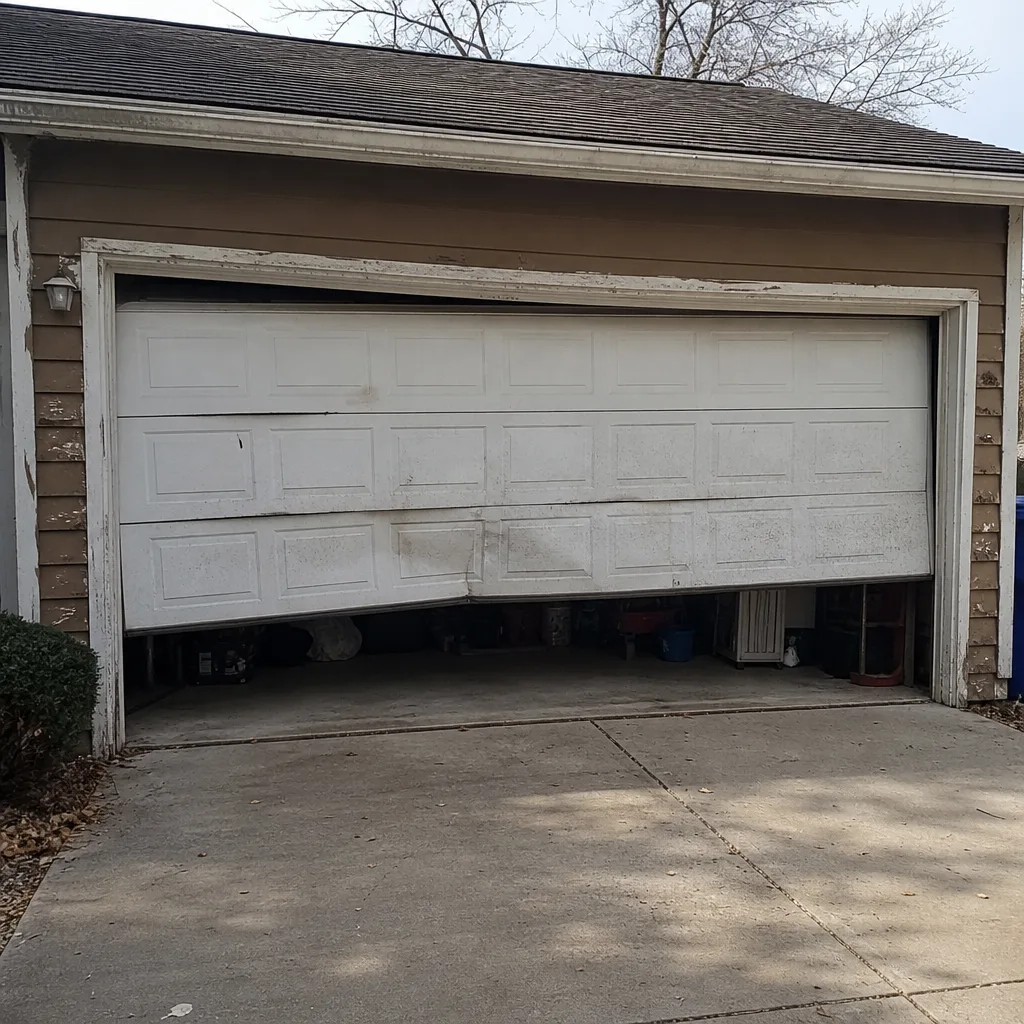 Before
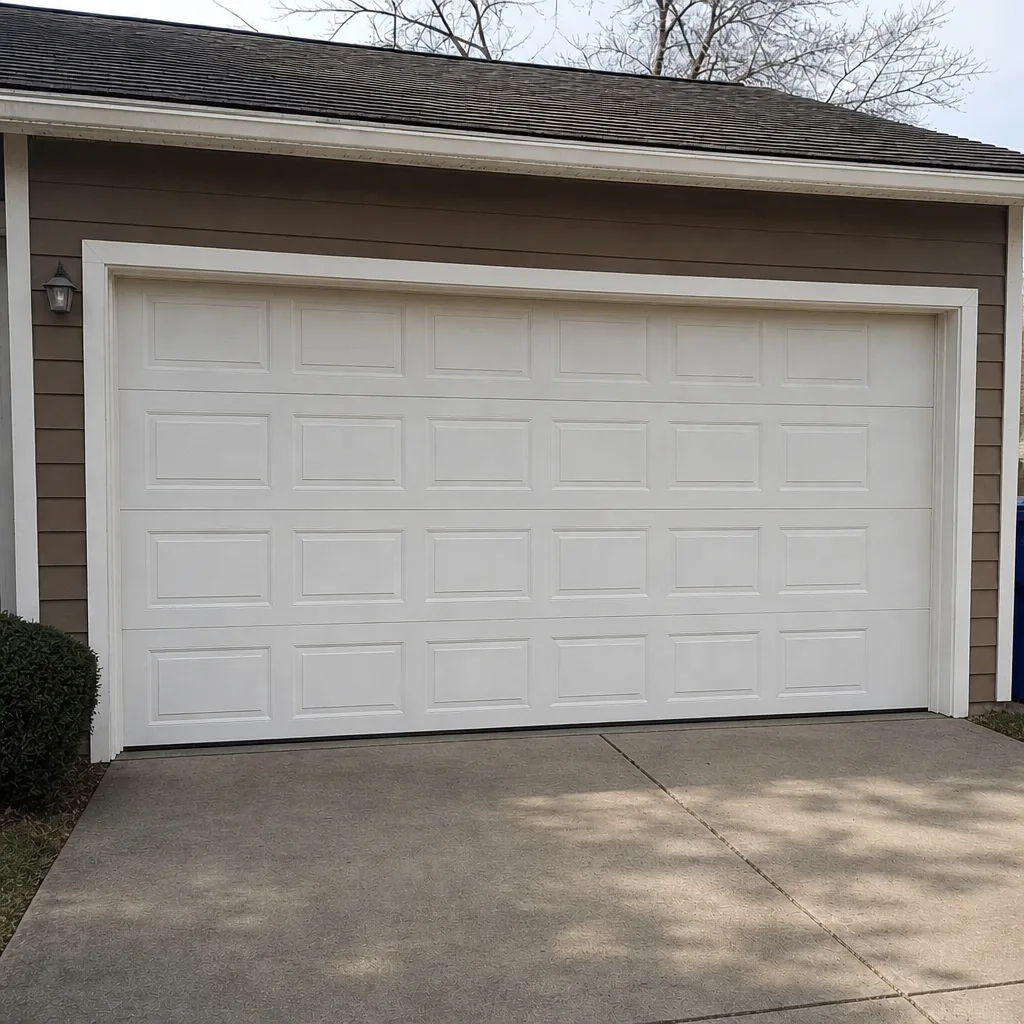 After
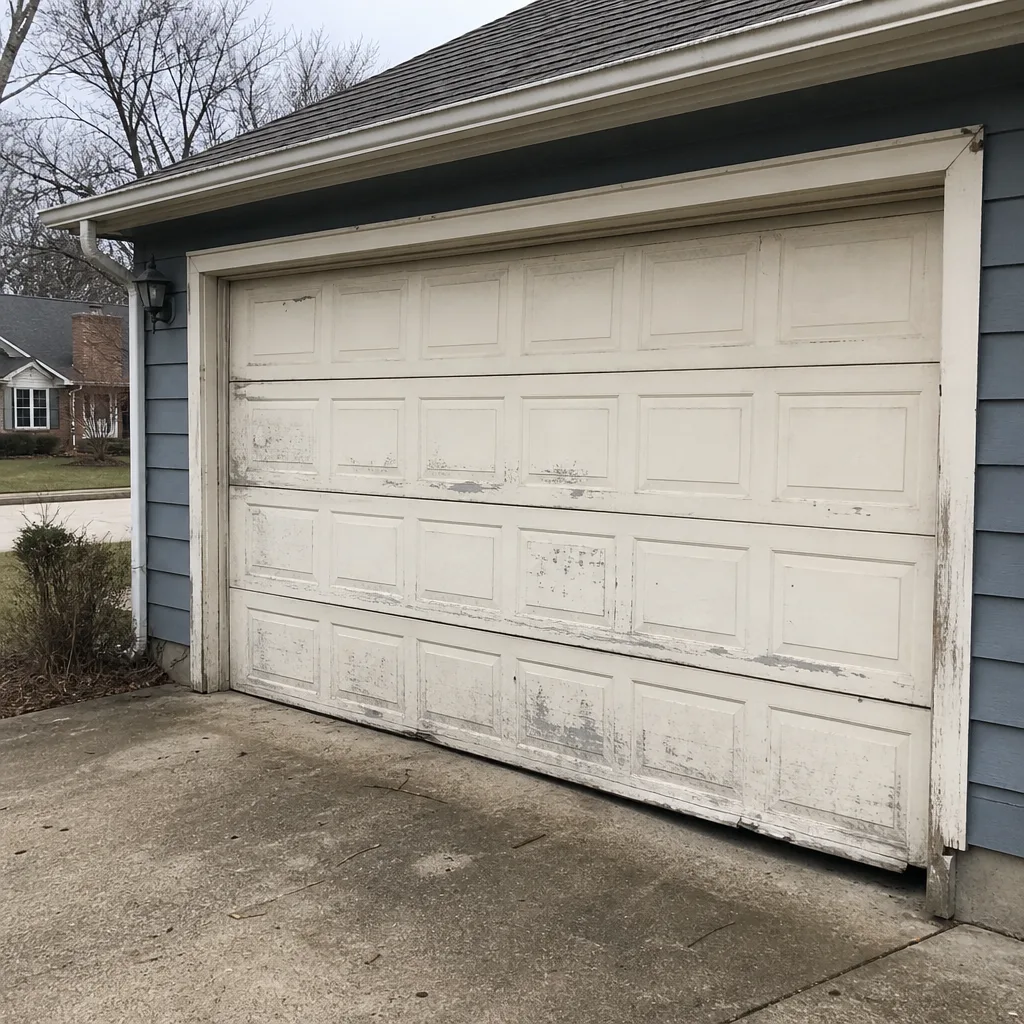 Before
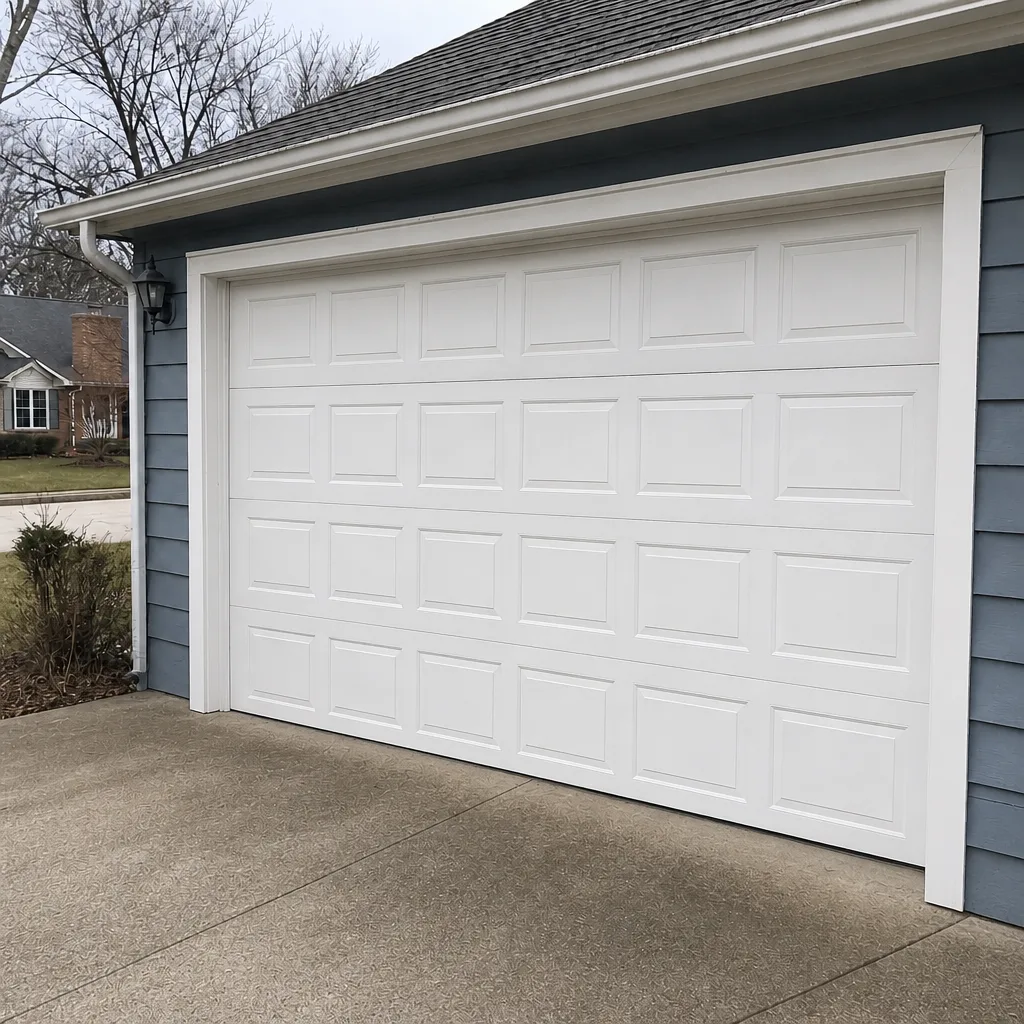 After
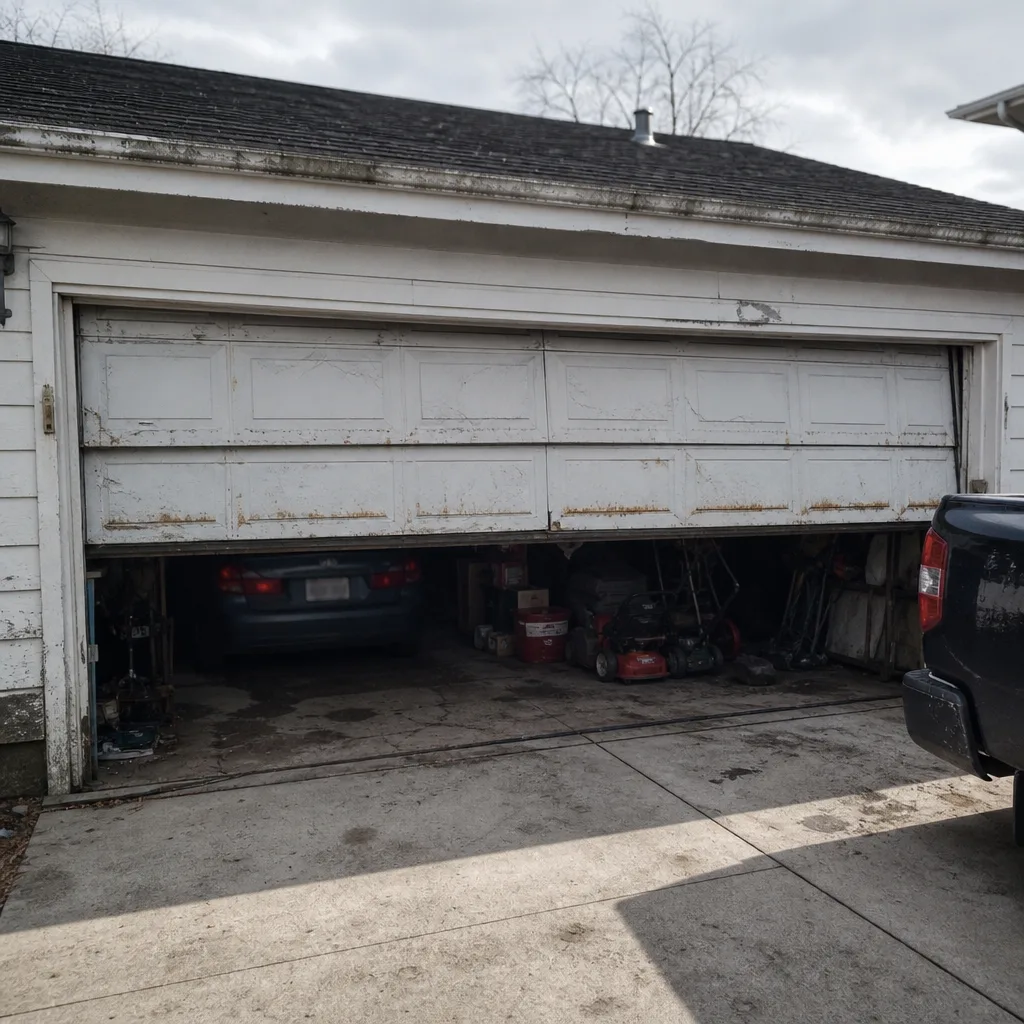 Before
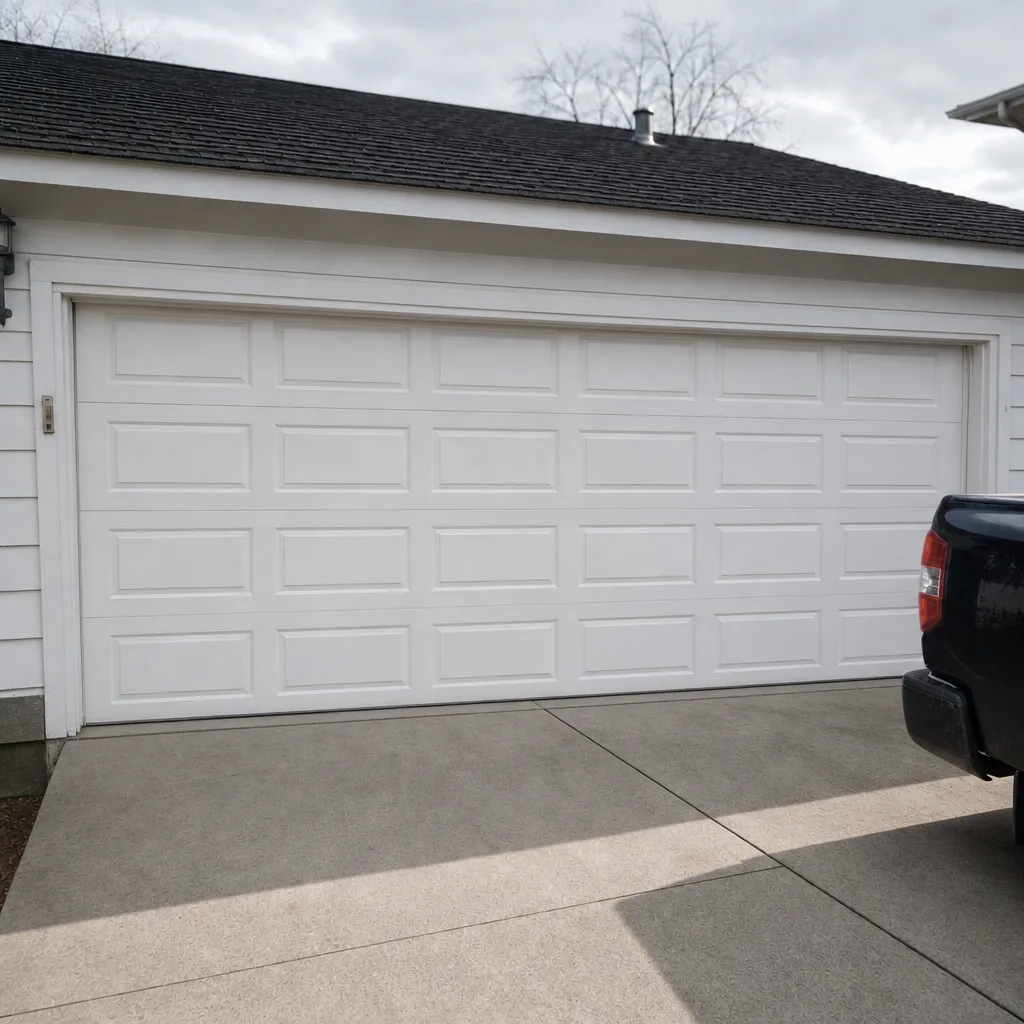 After
When to Call a Professional
Call a professional when a door won’t open or close smoothly, when the door has gone heavy or drops without warning, when a spring or cable looks damaged, when the opener runs but the door doesn’t move, when the door reverses unexpectedly or reverses on its own, when an obstruction appears and the reverse test fails, or when a door is out of track. Any of these can be a safety issue or a sign of a bigger mechanical problem. Our team handles emergency calls when waiting isn’t an option, and we’re ready to get you back in service today. We also take scheduled work for installation, which is measured and ordered rather than same-day. Wheaton Garage Door Repair Pros offers free estimates in Wheaton, and you can reach us at (844) 713-9631.
Frequently Asked Questions
Spring replacement in Wheaton typically falls in the range quoted on our spring page, per spring, and a matched pair usually gets replaced together, which roughly doubles that cost. The written estimate sets the final price. Call (844) 713-9631 for an exact quote, since estimates are free.
Yes, we offer emergency garage door service for doors that won’t close, won’t open, or have dropped suddenly, and we’ll get you back in service today where we can. Call (844) 713-9631 and we’ll confirm availability for emergency work.
No, the price is quoted and agreed before any work starts, so the figure in the written estimate is the price. If we find something unexpected while we work, we’ll show you the problem and agree on any change before proceeding, never after. Call (844) 713-9631 to book a free estimate.
The independent local professional we connect you with is licensed and insured as their state requires, and we vet them before they’re on a Wheaton job. Our technicians have up to 9 years of experience across the major brands. Call (844) 713-9631 for a free estimate.
It depends on your subdivision. HOA-heavy areas and historic overlays like College Hill frequently require written approval before a new door is installed, and some design standards specify panel profile, color and material. Ask your HOA for the current design standard and the city’s building department for the overlay review before you order. For installation in Wheaton, we’ll walk through what the project needs, including measurement and scheduling. Call (844) 713-9631 to get a free estimate.
Choose based on the era of your house and what’s stocked locally. Clopay and Amarr panels, LiftMaster and Chamberlain openers, and Wayne Dalton and Craftsman hardware are widely serviced in the western DuPage corridor, so they’re easier to repair and repair faster. Custom profiles take longer to order. Whatever you choose, we work on the brand you already have and can match a new door to it. Call (844) 713-9631 to talk it through.
How long does a garage door usually last in Wheaton?
A well-maintained mid-grade door in this climate typically lasts well past 15 years, though the bottom seal and springs will be replaced a few times along the way. A thin, uninsulated cheap door often needs panel or hardware work much earlier. The written estimate will tell you which parts you’re likely to replace rather than guessing.
The Bottom Line
Wheaton’s freeze-thaw cycles and its approval layers decide most garage door outcomes before a homeowner ever opens a catalog. Springs fatigue faster here because the metal flexes through more temperature swing, and bottom seals harden and fail on a predictable schedule, so parts wear out earlier than a national guide says. HOA and historic overlay rules matter just as much; in subdivisions like Arrowhead and in the College Hill overlay, panel profile, color and material are governed by written design standards, and approval has to come before the order. Housing era determines what fits: 1950s ranch openings are tighter, 1980s colonials take a mid-grade door easily, and 2000s new builds often carry smart-home openers with repairable electronics. Brands like Clopay, Amarr, Wayne Dalton and Craftsman are stocked locally; custom profiles take longer. Repair the door when the structure is sound, replace when failure is repeating, and always get the price in writing. For Wheaton homeowners planning a fix or a full installation, call (844) 713-9631 for a free estimate and the project will be quoted and agreed before any work starts.
Written by the team at Wheaton Garage Door Repair Pros.