Last updated November 22, 2026
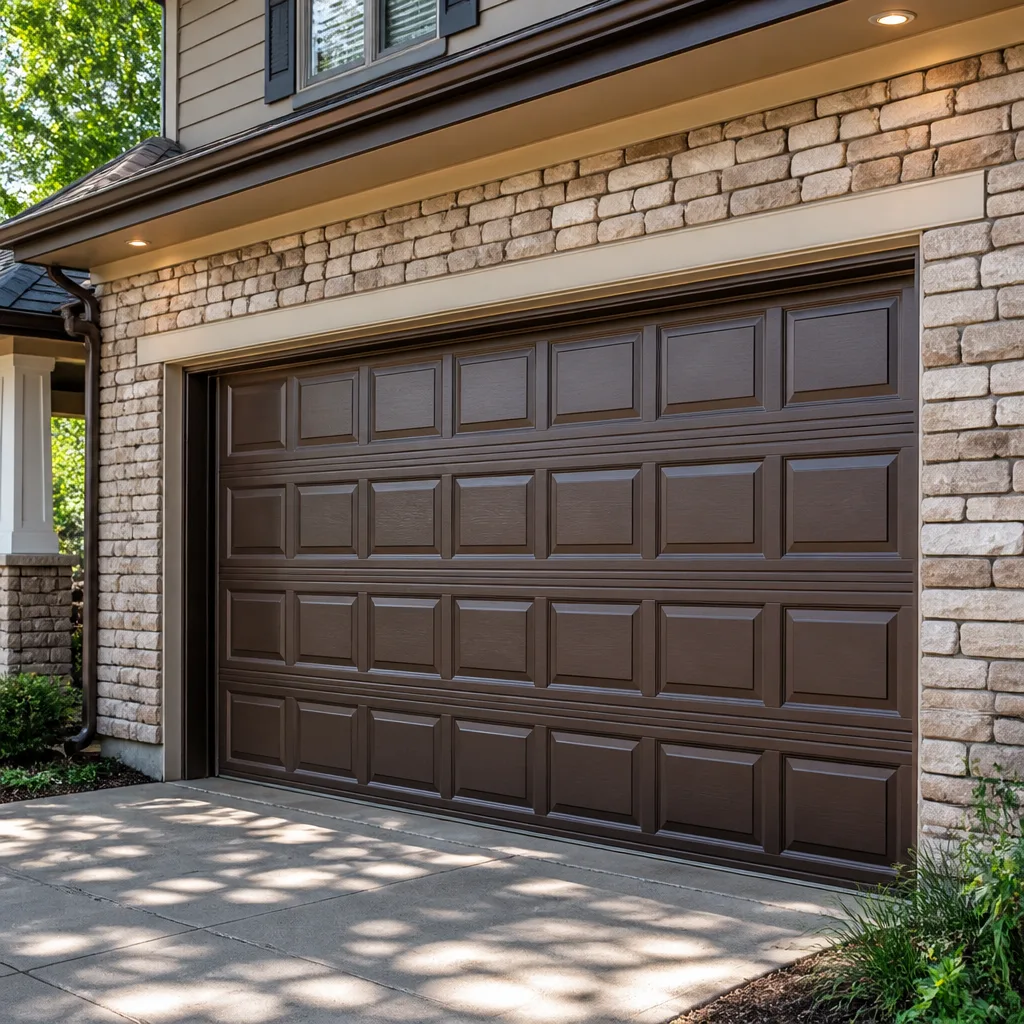 Raised-panel steel
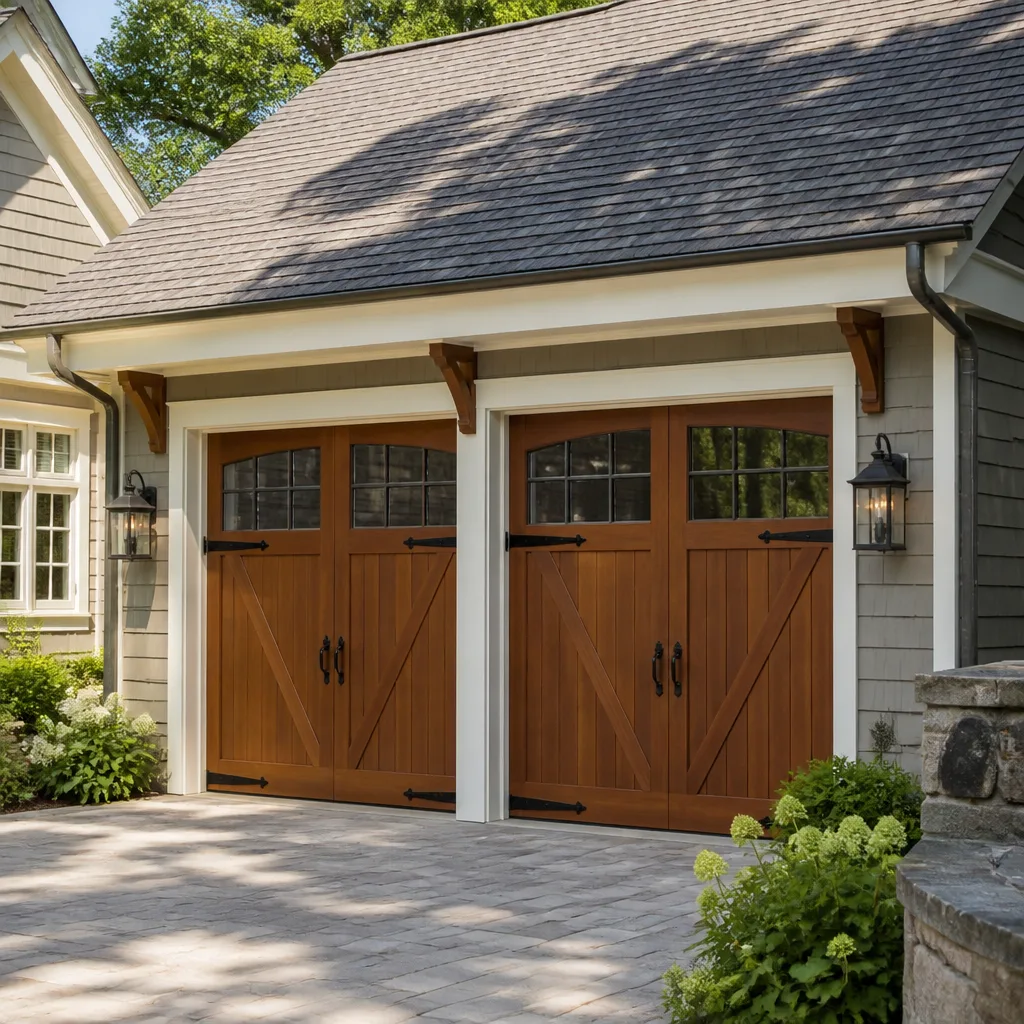 Carriage house
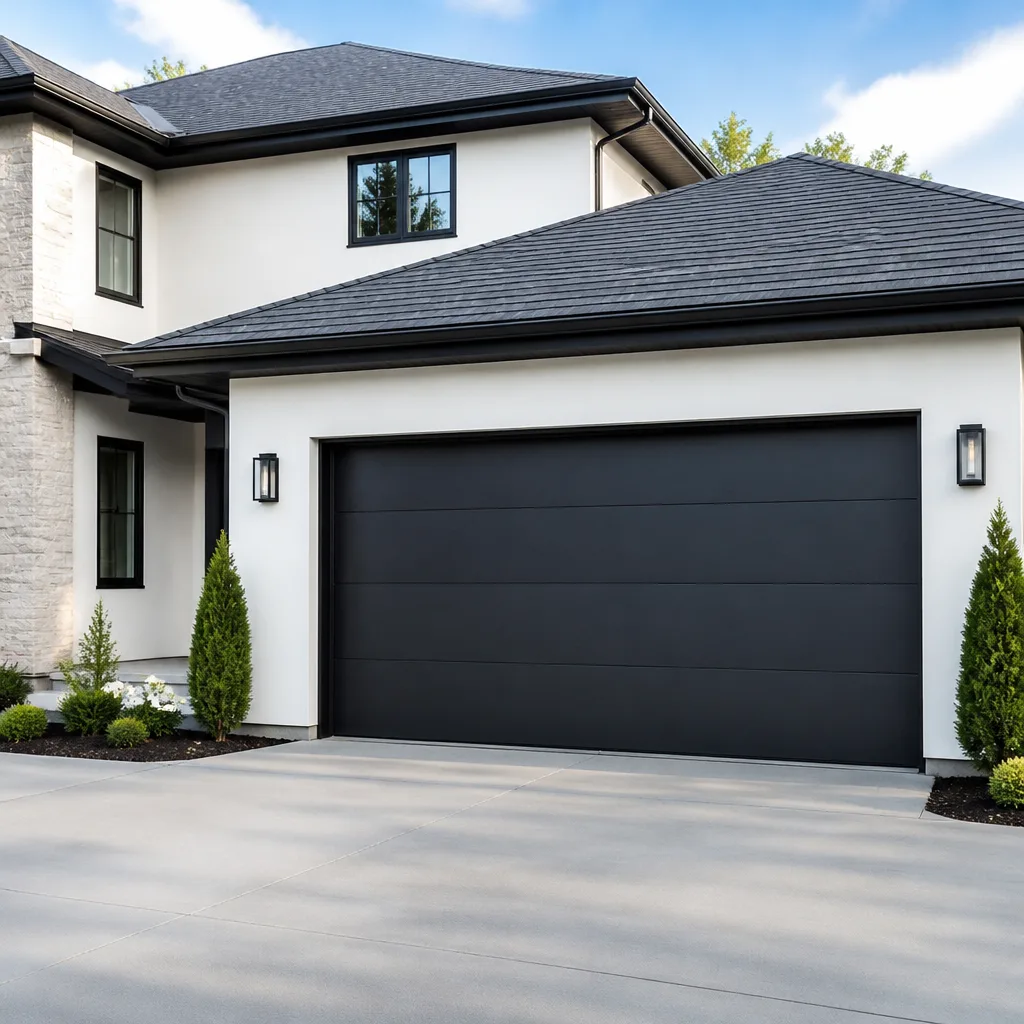 Modern flush
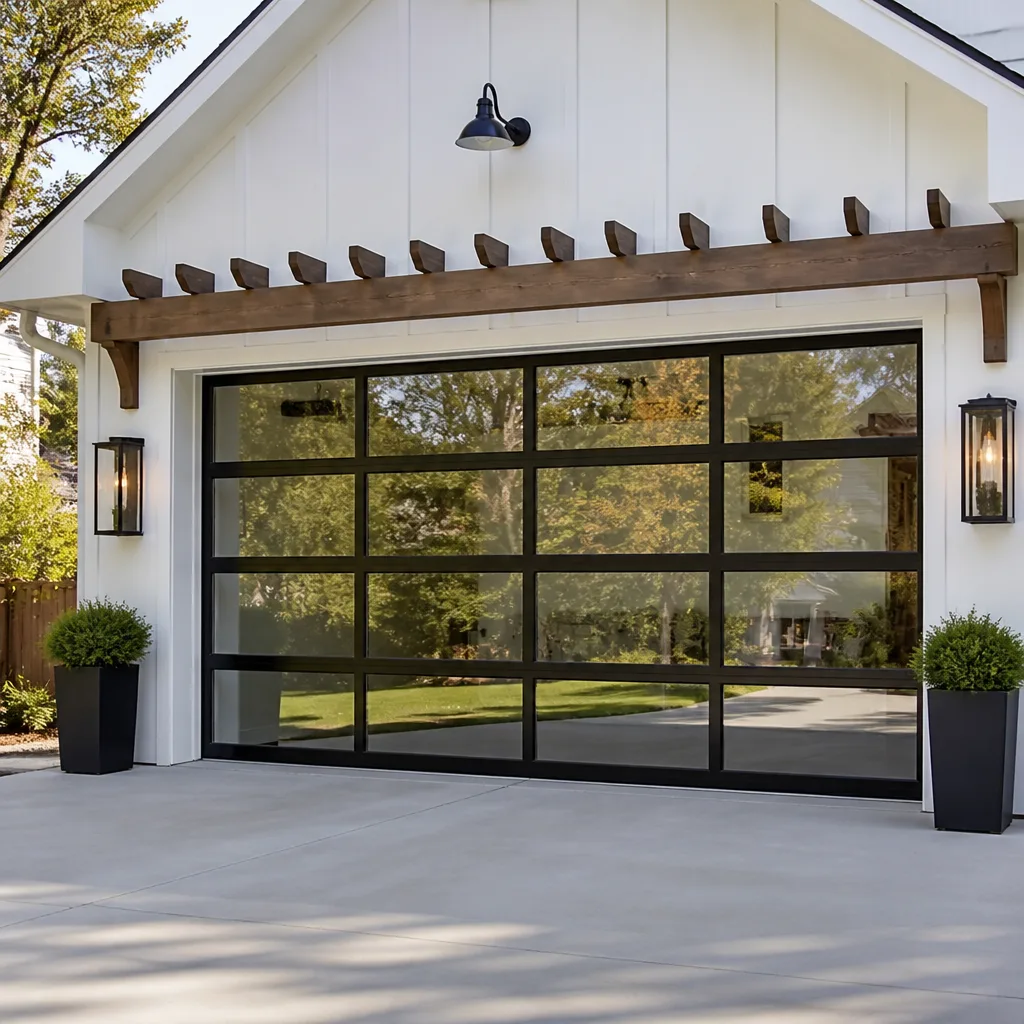 Full-view glass
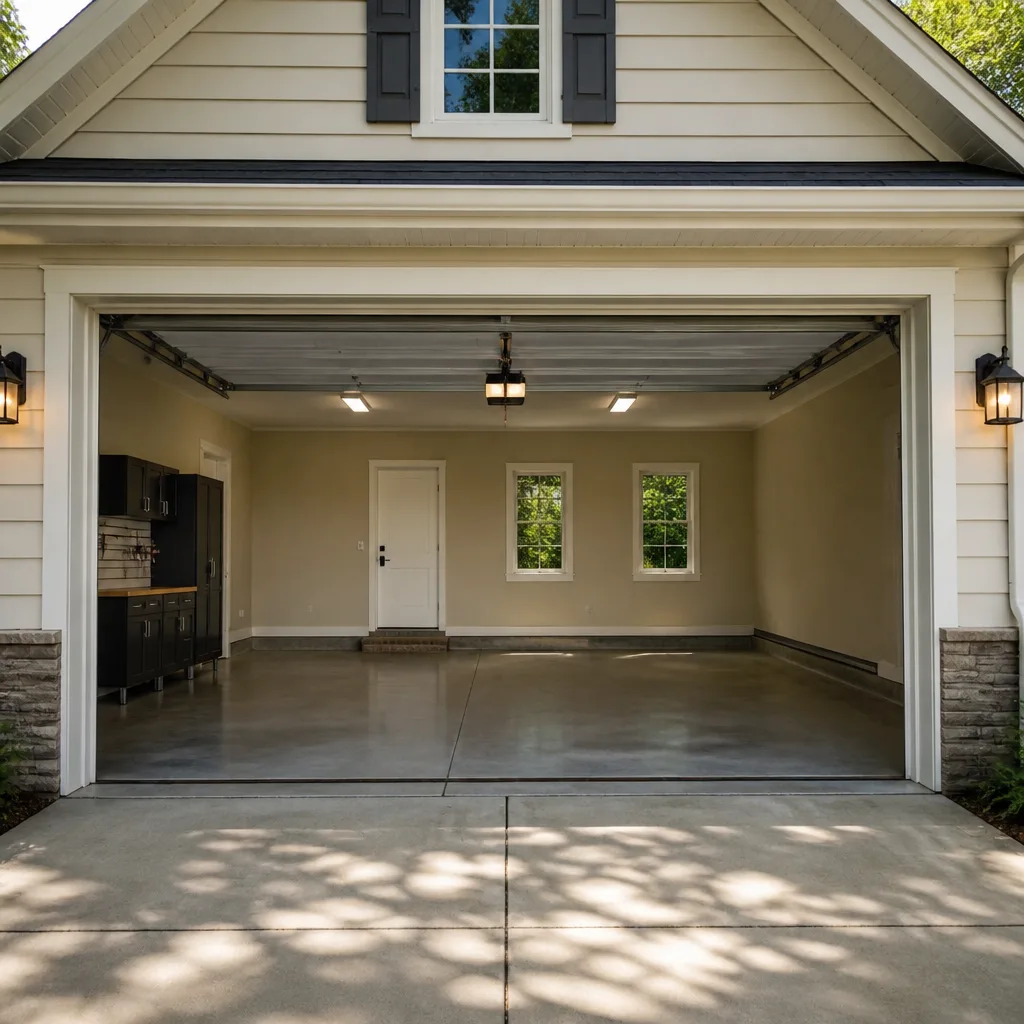 LiftMaster openers
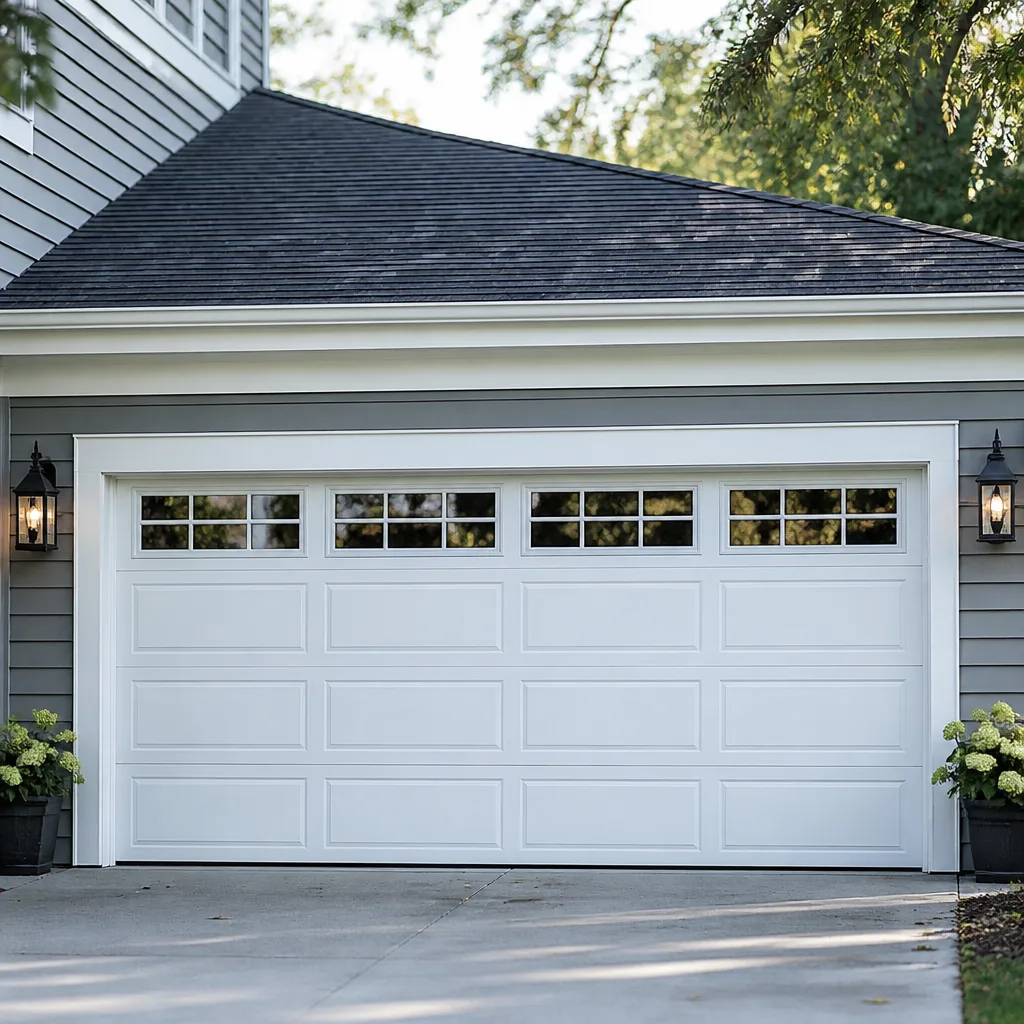 Chamberlain openers
Full 25-point door and opener safety check with every visit - springs, cables, rollers, tracks, and your LiftMaster or Chamberlain opener included
You get a price before we start. It does not change when the pro arrives.
Get your free estimateGarage Door Repair Troubleshooting in Wheaton: Common Problems and How to Fix Them
The door that reverses before it closes and the door that won’t close at all look like the same problem from the driver’s seat. They aren’t. One is usually a sensor or travel-limit issue that takes a few minutes to sort out. The other can be a logic-board fault, a bound track, or a failing opener gear, and the fix you apply to one will do nothing for the other. Chasing the wrong cause first is how a fifteen-minute adjustment turns into a wasted afternoon and a second call. This guide maps what you’re seeing to what’s actually failing, splits the adjustments you can safely make from the ones you shouldn’t touch, and explains why so many Wheaton doors act up in March and again in November.
Styles & brands we work with
- Raised-panel steel
- Carriage house
- Modern flush
- Full-view glass
- LiftMaster openers
- Chamberlain openers
Quick Answer
Most garage door problems fall into six failure categories: opener logic and safety-reverse faults, travel-limit and force-setting drift, worn springs and cables, track and roller misalignment, opener drive and gear wear, and power or remote issues. Troubleshooting means matching your symptom to the right category before touching anything. Anything involving springs, cables, or the torsion assembly is a stop-and-call situation, while sensor alignment, limit screws, and force settings are safe to check yourself.
Table of Contents
- The Symptom-to-Cause Decision Tree
- Why Your Door Reverses Before It Closes
- When the Door Won’t Close at All
- When the Door Won’t Open
- Noisy but Functional: What the Sound Tells You
- Slow, Sluggish, or Straining Doors
- Off-Track and Crooked Doors
- Wheaton’s Freeze-Thaw Cycle and the Seasonal Failure Pattern
- Opener Brand Quirks: Why Identical Symptoms Diagnose Differently
- The One Free Click Rule
- Common Mistakes to Avoid
- When to Call a Professional
- Frequently Asked Questions
- The Bottom Line
The Symptom-to-Cause Decision Tree
Before you climb a ladder or press anything, work out which branch of the tree you’re on. The single most useful diagnostic habit is to separate motion symptoms from sound symptoms from power symptoms, because each points at a different system. A door that moves but misbehaves is an opener or sensor problem. A door that sounds wrong but moves is a mechanical wear problem. A door that does nothing is a power, remote, or logic problem.
Here’s how we walk a Wheaton homeowner through it on the phone, in order:
- Does the opener motor run? If you hear the motor but the door doesn’t move, suspect the drive gear, belt, chain, or the manual release being pulled. If the motor is silent, go to power and logic.
- Does the door move a few inches and reverse? That’s safety-reverse behavior. Look at the photo-eye sensors first, then the travel limits.
- Does the door move unevenly or bind? That’s mechanical: rollers, track, hinges, or a spring that’s lost tension.
- Does the door move but sound like gravel? Worn rollers, dry hinges, or a failing bearing plate.
- Does the door hang at an angle? A snapped cable or a jumped track. Stop and call.
- Does nothing at all happen, including no light? Breaker, outlet, or a dead logic board.
The tree matters because the branches don’t overlap. A door that reverses on contact with the floor is almost never a spring problem, and a door that strains to open is almost never a sensor problem. Getting the branch right is 80% of garage door repair diagnostics, and it’s why a technician who knows the tree can often diagnose by phone and arrive with the right part.
Why Your Door Reverses Before It Closes
A door that reverses before it reaches the floor is obeying its safety system. That’s either the photo-eye sensors or the force/limit settings on the opener. It’s the most common call we get, and it’s also the one with the highest chance of a homeowner fix.
The safety reverse system uses two photo-eye sensors mounted about six inches off the floor on each side of the door opening. They shoot an invisible beam across the opening. If anything interrupts that beam, the door reverses. Dust, a cobweb, a parked bike, a sagging sensor bracket, or a spider nest across the lens will all do it. In Wheaton, we see the beam-blocked call spike after the first big snow, when a snow shovel leaning against the wall or a drift against the bottom bracket interrupts the beam without anyone realizing it.
Here’s the safe self-check, in order:
- Look at both sensors. Each should have a steady light. A blinking light usually means the beam is interrupted or the sensors are misaligned.
- Wipe both lenses with a soft cloth. Conestoga and Hawthorne homeowners with mature trees deal with pollen and dust on these lenses through the warm months.
- Check that both sensors point at each other at the same height. A bump from a recycling bin or a kid’s scooter knocks them out of alignment regularly.
- Clear anything leaning into the beam path, including snow, garden tools, and stored lumber.
- If the door still reverses, the travel limits or force settings need adjusting. Those are described below.
If the sensors are clean, aligned, and lit, and the door still reverses, the opener’s force setting is likely too low. That setting lives on the opener head, usually behind a light lens or a small access panel. We’ll cover that next. If you’ve checked all five steps and the door still reverses, it’s time for garage door opener repair – the logic board or the sensor wiring is the likely culprit, and both require a technician.
When the Door Won’t Close at All
A door that won’t close at all is a different branch than a door that reverses. The reversing door is trying. The won’t-close door has given up, and the cause is usually one of three: the opener is in lockout, the safety reverse has been triggered repeatedly, or the travel limit is set too high so the door thinks it’s already closed when it isn’t.
Start with the most forgotten check. Many openers, and virtually all LiftMaster and Chamberlain models, have a lockout feature that stops the door from responding to remotes or wall controls when a safety condition persists. Unplug the opener for a minute and plug it back in. If the door responds, you had a lockout.
If that doesn’t do it, look at the travel limit. The down limit sets how far the door travels before the opener stops. If it’s set too high, the door stops a foot off the floor and the opener thinks it’s done. You’ll see the door go up when you press the button but not go down, or it’ll go down partway and stop. Adjusting the down limit is a homeowner-safe adjustment on most openers: a screw or a digital menu, depending on the brand. Genie units typically use a mechanical screw, while newer LiftMaster and Chamberlain units use a digital control on the wall or the opener head.
One more thing to check: the wall control. A stuck wall button will hold the door in a constant “close” command, and the door will refuse to move because the safety system sees a continuous obstruction signal. If the wall button feels loose or stays depressed, disconnect it and test the door from the remote. If the door then works, the wall control needs replacing.
When the Door Won’t Open
A door that won’t open is usually a mechanical problem before it’s an opener problem. When you press the button and hear the motor running but the door doesn’t move, the opener is trying and something mechanical is holding the door. That’s the tell. Silent motor plus dead door is electrical. Running motor plus dead door is mechanical.
The mechanical causes, in rough order of frequency:
- Broken spring. The torsion spring above the door has snapped. You’ll often see a clean gap in the coil, and the door will feel extremely heavy if you try to lift it by hand. This is the most dangerous scenario on this page – more below.
- Manual release pulled. The red handle on the trolley disconnects the door from the opener. If someone pulled it, the opener runs but the door doesn’t move. Re-engaging it is a pull on the trolley in most cases – but only when the door is balanced.
- Belt or chain off the sprocket. You’ll hear the motor but see no movement at the trolley.
- Worn drive gear. Common on older Genie and Craftsman units: the nylon gear inside the opener strips its teeth, the motor spins, nothing moves.
The electrical causes: dead opener outlet, tripped GFCI, blown logic board, or a remote that’s lost its programming. If the opener’s light doesn’t come on when you press the wall button, the unit isn’t getting power. Check the outlet and the breaker before assuming the opener is dead. If the outlet is live and the opener is silent, the logic board or a capacitor is the likely fault, and that’s a call.
If the motor is running and the spring is whole, we can usually get you diagnosed and back in service today – our technicians have up to 9 years of experience across the major brands. Call (844) 713-9631 and describe what you’re hearing. The sound tells us more than anything you can describe from the outside.
Noisy but Functional: What the Sound Tells You
A noisy door that still works is telling you something is wearing out. The question is whether it’s a cheap wear item (rollers, hinges) or a load-bearing part (springs, bearings) that will fail harder and more expensively if ignored. The sound itself is the clue.
Match the sound to the cause:
- Screech or metal-on-metal squeal: dry hinges, dry rollers, or a dry torsion tube. A light application of a proper garage door lubricant (not WD-40, which is a solvent, not a lubricant) on the hinges, rollers, and torsion tube often quiets it. This is a safe homeowner task.
- Rumbling or grinding from the opener: worn opener gear or a failing bearing. On Chamberlain and LiftMaster units, a grinding sound from the head often means the gear and sprocket assembly is wearing. That’s a repair.
- Popping or banging: a torsion spring losing tension or a cable jumping its drum. Stop using the door and call.
- Rattling: loose hinge bolts or a loose bottom bracket. Tighten what you can reach from the ground; leave the bottom bracket and anything attached to a cable alone.
- Graunching from one side only: a bad roller or a track that’s out of alignment on that side.
In our experience, the noise that matters most is the one that started gradually and got louder over a few weeks. Sudden new noises mean a part failed. Gradual noises mean something has been wearing, and the wear is now visible. The gradual ones are usually cheaper to fix when caught early, which is why we tell Wheaton homeowners to treat a new squeal as a scheduling reminder, not a nuisance.
Slow, Sluggish, or Straining Doors
A door that moves slower than it used to, or strains visibly at the start of travel, is a door under load it shouldn’t be carrying. The opener is pulling harder than it was designed to. That’s the definition of a symptom worth taking seriously, because the opener’s job is to move a balanced door, not to haul a heavy one.
Three causes cover most of it:
- Springs have lost tension. Torsion springs weaken over their service life. A door that used to lift with one hand now needs two. If you can’t comfortably lift the door by hand with the opener disconnected, the springs are under-tensioned and the opener is compensating. That’s a spring job, not an opener job.
- Rollers are seizing. Nylon rollers last longer than steel, but both wear. A seized roller drags against the track and the opener pulls through the resistance.
- The opener’s force setting is maxed out. A previous adjustment to compensate for a heavier door has masked the real problem. The force setting should match the door’s actual weight, not be cranked up to compensate for a failing spring or a binding track.
This is where the wrong fix costs real money. Homeowners often turn up the force setting when a door gets sluggish, which gets the door moving again but accelerates wear on the opener gear and the springs. A year later, the opener fails and the springs snap. The right move is to fix the load problem, then reset the force to spec. That’s the kind of diagnosis that separates garage door spring repair from a band-aid.
Off-Track and Crooked Doors
A door hanging at an angle, or one roller popped out of the track, is a stop-and-call situation. Do not run the opener. Do not try to force the door. The door is now unsupported on one side, and running it can drop it, bend the panels, or damage the opener trolley and arm.
The causes of an off-track door are usually one of these:
- Impact. A car bumper, a bike, or a ladder knocked the track out of alignment. The track itself is fine but the bracket has bent.
- Loose track fasteners. The lag bolts holding the vertical or horizontal track have worked loose. The track bows under load, the rollers pop out.
- Broken cable or drum. The cable has come off the drum on one side, and the door is now held on one side only. This is a spring-and-cable job and one of the highest-risk repairs on a garage door.
- Bent panel. A dented section changes the width of the door at that point, which pulls the rollers out of the track over time. Clopay and Amarr panels are both repairable when the dent is minor; a bent panel that’s crimped at the hinge line usually needs replacing.
If your door is off-track, don’t close it, don’t open it, and don’t disconnect the opener unless the door is already fully down. Call (844) 713-9631 and describe the angle. We can usually get a technician out the same day for off-track doors in Wheaton because a crooked door left up is a security problem, not just an inconvenience.
Wheaton’s Freeze-Thaw Cycle and the Seasonal Failure Pattern
Wheaton’s climate drives a predictable seasonal pattern in garage door failures. The freeze-thaw cycle that defines our winters does specific things to the mechanical systems on a garage door, and the result is that certain problems peak in late fall and again in early spring.
What happens in the cold months:
- Metal contracts. The steel track, the torsion tube, and the panels all shrink slightly in cold. That’s usually harmless, but it adds tension to a spring that’s already near the end of its life. Late fall and early winter are when tired springs snap.
- Lubricant thickens. Garage door lubricant gets stiff in the cold, and rollers and hinges that were quiet in October start to drag in January. A door that was fine all summer starts to strain.
- Photo-eye brackets shift. Frost heave moves the concrete floor slightly, and the bottom bracket and sensor brackets go with it. A sensor that was aligned in September can be off by a quarter inch by February, and the door starts reversing.
- Snow and ice intrude. A drift against the bottom seal or a shovelful of snow against the bottom bracket interrupts the beam. Some of the “door won’t close” calls we get in January are a snowbank and nothing else.
What happens in the spring thaw: the opposite. Metal expands, the lubricant loosens, and problems that were masked by cold suddenly show up as noise or binding. And the wet ground around the door apron softens, which can shift the track brackets slightly. March and November are the two months we see the most calls in Wheaton, and it’s not a coincidence. If you want to avoid the pattern, the right time to check your springs, rollers, and sensors is late fall, before the first hard freeze, and again in early spring. That’s not a maintenance plan we sell – it’s a habit we recommend.
Opener Brand Quirks: Why Identical Symptoms Diagnose Differently
Two openers can show the same symptom and lead to completely different diagnostics, because each brand reports its faults its own way. That’s why brand familiarity matters in garage door work. We service LiftMaster, Chamberlain, Genie, Clopay, Amarr, Wayne Dalton, Craftsman, and Raynor, and the diagnostic path for each is different enough that we’d rather know the brand before we arrive.
Here’s what we check first by brand:
- LiftMaster and Chamberlain: both brands share parent technology, so the LED error codes on the opener head mean the same thing across the two. A blinking count that repeats is telling you a specific fault, and the count matters. LiftMaster’s light behavior is usually your first diagnostic clue. A steady light with a flashing wall control often points at a wiring or logic fault, while a repeating blink is a coded fault.
- Genie: older Genie units use a red LED that blinks in a sequence on the opener head, and the sequence tells you whether it’s a sensor fault, a limit fault, or a force fault. Newer Genie models with digital wall controls report on the control itself. Genie’s mechanical travel limits also adjust differently than LiftMaster’s electronic limits.
- Craftsman: many Craftsman openers were built by Chamberlain, but the diagnostic interface and wall-control wiring differ by model year. A Craftsman with a wall-control problem often mimics a logic-board failure.
- Raynor: Raynor openers are common in Wheaton homes, and their diagnostic behavior differs from the big three. Raynor faults often show up as a wall-control-only symptom, and the fix is frequently the wall control or the low-voltage wiring rather than the board.
This is why the same symptom on two different doors can cost very different amounts to fix. A door that reverses on one brand might need a sensor alignment; on another, it might need a travel-limit reset. Neither is a brand endorsement – it’s a diagnostic fact. Every opener on this list is serviceable, and every brand has its quirks.
The One Free Click Rule
The manual release is the red handle on the trolley that disconnects the door from the opener. There’s a rule we give every homeowner who asks how to troubleshoot a door that won’t move, and it’s simple: attempt the manual release once, only from a standing position, only when the door is fully closed, and only if you don’t already know a spring is broken.
That’s the one free click rule. Pull the release once. If the door then lifts easily by hand, the mechanical system is fine and the problem is the opener. If the door feels heavy or won’t budge, re-engage the release and call. Do not try it a second time. Do not pull the release with the door partway up. Do not pull it if you heard a snap or saw a gap in the spring.
The reason for the caution is that a garage door can weigh several hundred pounds, and it’s held in balance by the spring system. With a broken spring, the door is no longer counterbalanced and can drop the full weight of the door without warning the moment the opener releases it. That’s a life-threatening situation for anyone standing underneath. Homeowners sometimes pull the release to “check” when a spring has snapped, and the door comes down. It’s the single most common serious injury we hear about in this trade, and it’s entirely avoidable.
Springs, cables, and the torsion assembly are never homeowner repair territory. Torsion springs are under extreme tension at all times, and handling them without the right winding bars and the training to use them safely can cause severe injury. If you suspect a spring, call. Spring repair done right is a specialist job, and it’s the one repair on a garage door where we’d rather you didn’t try anything at all.
Common Mistakes to Avoid
- Adjusting the force setting to compensate for a heavy door. Turning up the force masks a spring or roller problem and accelerates wear on the opener. The right move is to find the load problem, then set the force to spec.
- Pulling the manual release with a broken spring. The door can drop with no counterbalance. Leave it engaged and call.
- Lubricating with WD-40. It’s a solvent and a light oil, not a garage door lubricant. It thins the existing lubricant and dries out the hinges. Use a proper garage door lubricant on hinges, rollers, and the torsion tube.
- Forcing an off-track door. Running the opener on an off-track door bends panels, damages the track, and can hurt someone. Stop and call.
- Ignoring a gradual noise increase. A new squeal or rumble that gets louder over weeks is a wear item asking to be replaced. Catch it early and it’s cheap; catch it late and it takes out the opener.
- Assuming a snowy bottom sensor is broken. In a Wheaton winter, a snowdrift against the bottom bracket interrupts the beam and looks like a sensor failure. Clear the drift before you call.
- Buying a new opener when the door won’t open. A running motor with a dead door is almost never an opener problem. Diagnose the mechanical side first, or you’ll replace a working opener and still have a broken door.
- Assuming all opener faults look the same across brands. A blinking light on a LiftMaster, a red LED on a Genie, and a wall-control fault on a Raynor all mean different things. Brand-specific diagnosis saves money and time.
When to Call a Professional
Call a professional when the symptom lands on a spring, a cable, a torsion assembly, or an off-track door – those are genuinely dangerous repairs and not worth the risk. Call when the opener runs but the door doesn’t move and the spring is whole, because that’s a drive or gear fault that needs parts we can identify from the brand and model. Call when the wall control is dead but the remote works, when the logic board shows a repeated fault code you can’t clear, or when the door reverses through every safe self-check you can make. Call for off-track doors even if the door is down, because a track that’s out of alignment will pop the rollers again the next time the opener runs.
Wheaton Garage Door Repair Pros offers free estimates in Wheaton – call (844) 713-9631. We service every brand on this page, and the price we quote is the price you pay: we agree the estimate with you before any work starts.
Frequently Asked Questions
Typical garage door repairs in Wheaton fall into a range, with sensor adjustments and limit resets at the low end and spring replacement, opener gear replacement, and track realignment at the higher end, since each involves more parts and labor. A single spring replacement typically runs a mid-range figure, and a matched pair costs about twice that. The written estimate sets the final price, and we agree it with you before any work starts. Call (844) 713-9631 for an exact quote – estimates are free.
Yes, in most cases – a door that won’t close is often something we can get back in service the same day, and our emergency service is available when waiting until Monday isn’t an option. Fast dispatch runs from 7am to 7pm. Call (844) 713-9631 and describe the symptom; a door that reverses before it closes, a door that won’t respond, and a door that’s off-track are different calls, and the description helps us arrive prepared.
No – the price is set by the written estimate, which we agree with you before any work starts. If we find a second problem during the diagnosis, we quote that separately and you decide whether to proceed. You’ll never get an invoice bigger than the quote you approved. Call (844) 713-9631 for a free estimate.
The local pros we connect you with are licensed and insured as their state requires, and our technicians have up to 9 years of experience across the major brands. Spring repair is a dedicated specialty on our service list, not an afterthought, because it’s the most safety-critical repair a garage door technician performs. Call (844) 713-9631 to talk through your door.
A blinking LiftMaster or Chamberlain opener is reporting a specific fault through the blink sequence, and the count matters – it’s your first diagnostic clue. A steady light with a flashing wall control often points at wiring or logic, while a repeating blink is a coded fault that identifies the failing component. Don’t guess at the code; tell us the blink pattern when you call (844) 713-9631, and it usually shortens the repair.
No. Torsion springs are under extreme tension and a broken spring can drop the full weight of the door without warning. Handling spring tension without the right tools and training can cause serious injury. Leave the door down, leave the manual release alone, and call a trained professional. Spring repair done right is a specialist job – call (844) 713-9631 and we’ll get it scheduled.
The Bottom Line
Garage door troubleshooting comes down to one discipline: matching the symptom to the failure category before you touch anything. A door that reverses is obeying its safety system, a door that won’t close has usually given up on a limit or a lockout, a door that won’t open with the motor running is a mechanical fault, and a door that’s off-track or has a broken spring is a call, not a project. Sensors, limit screws, force settings, and lubrication are the safe self-adjustments. Springs, cables, torsion assemblies, and track realignment are not. In Wheaton, the freeze-thaw cycle means late fall and early spring are the two windows where the wear shows up – so if your door has started to talk to you, that’s the right time to listen.
We work on the brand you already have, from a LiftMaster opener to a Clopay panel, and we quote the price before the work starts. If your door is on this page, Wheaton Garage Door Repair Pros can diagnose it and get you back in service. Call (844) 713-9631 for a free estimate.
Written by the team at Wheaton Garage Door Repair Pros.
See the difference
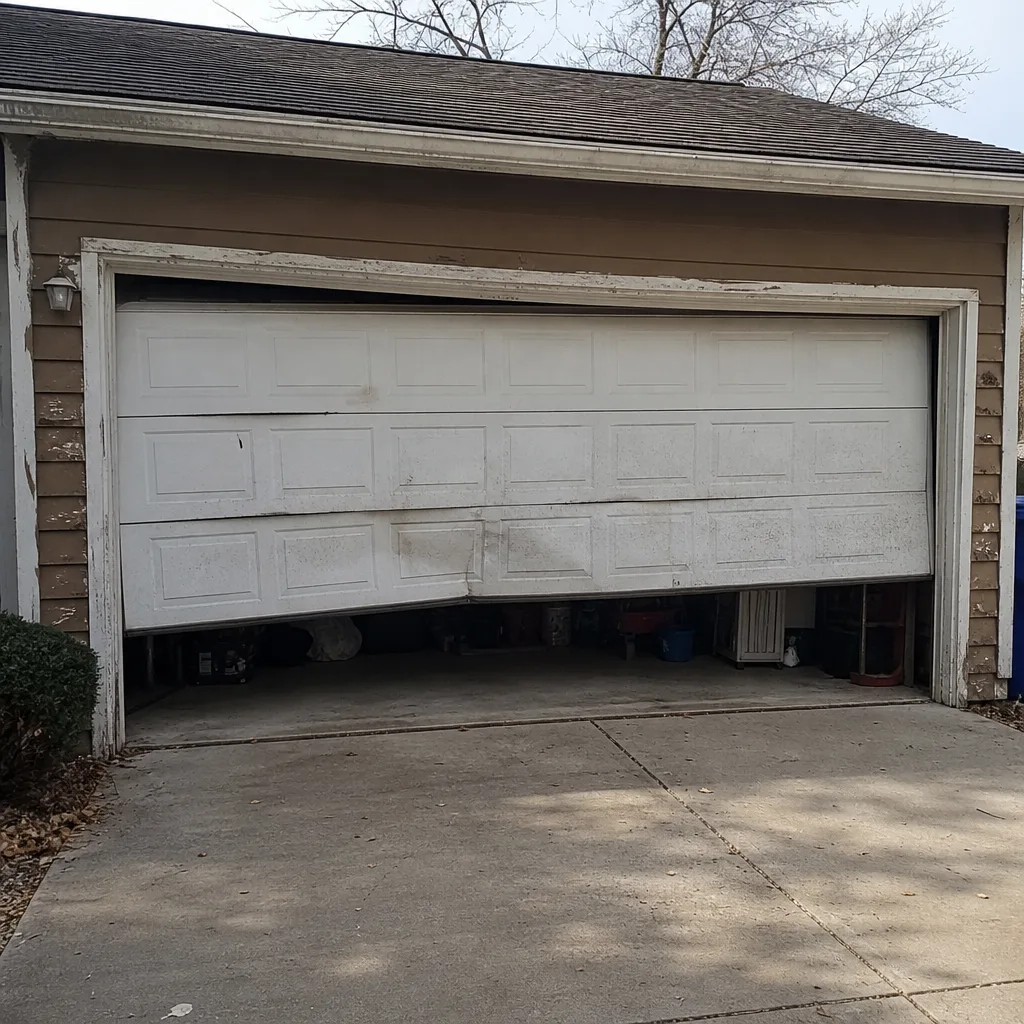 Before
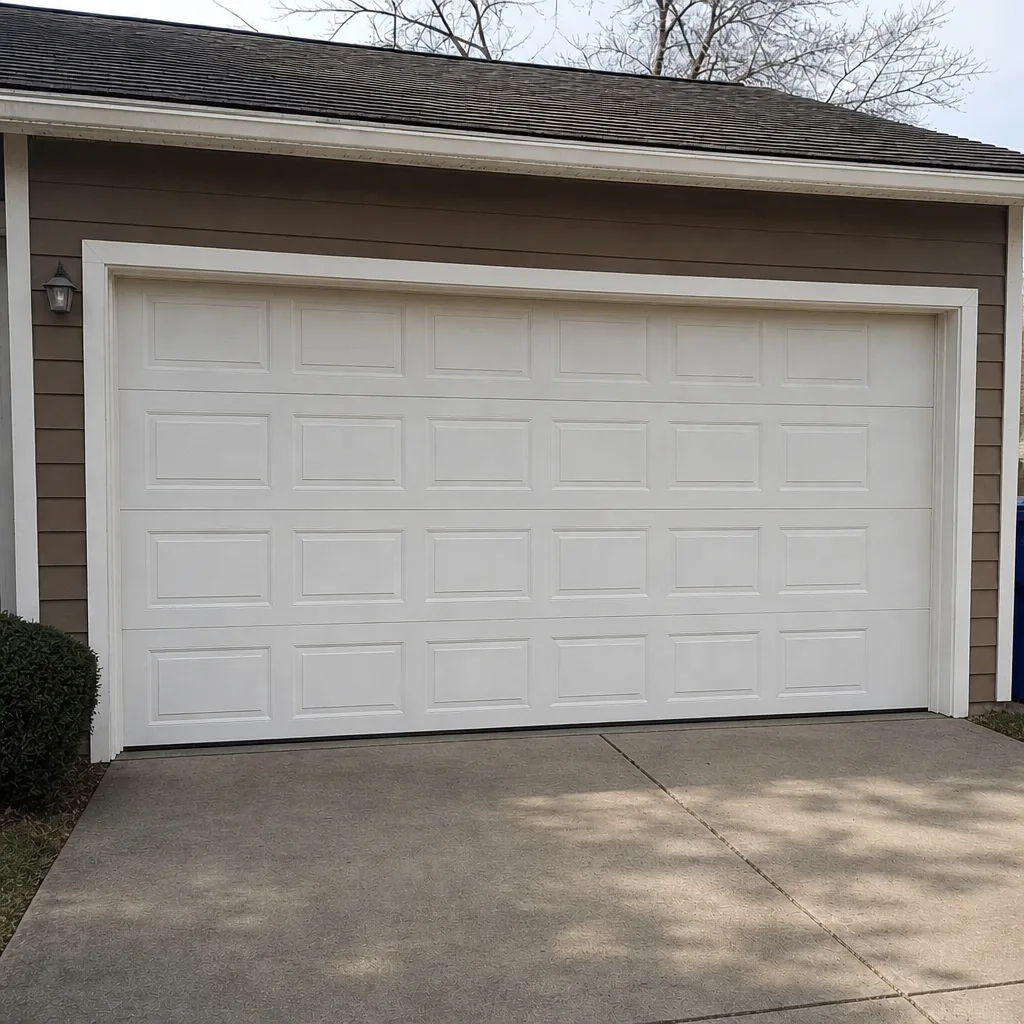 After
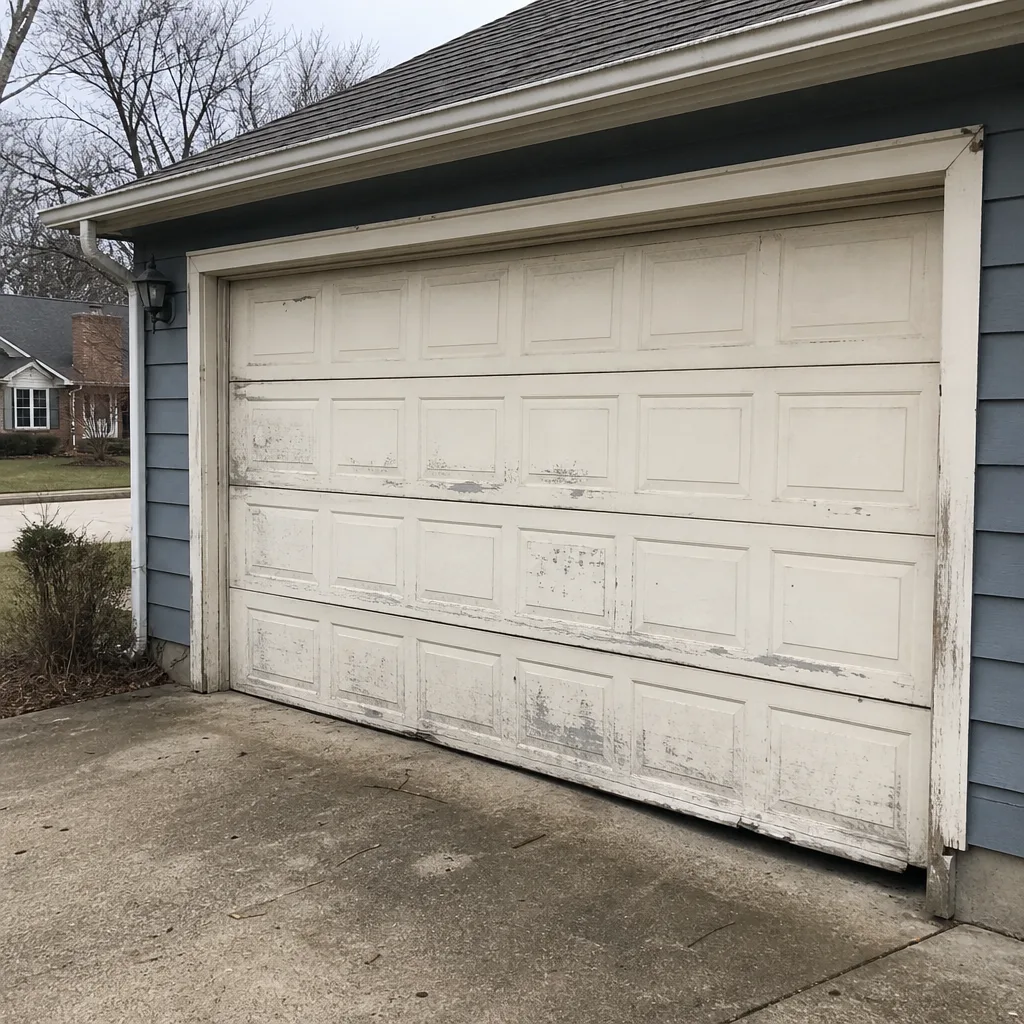 Before
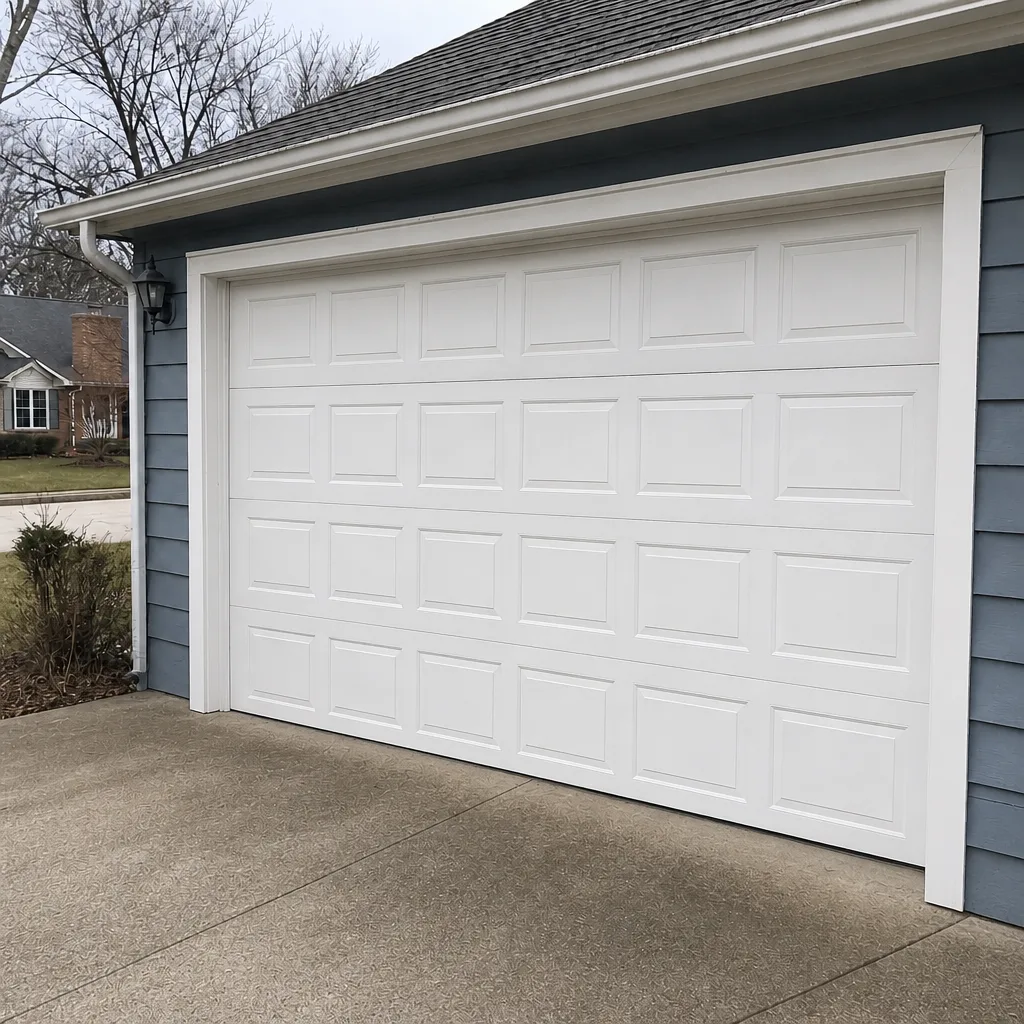 After
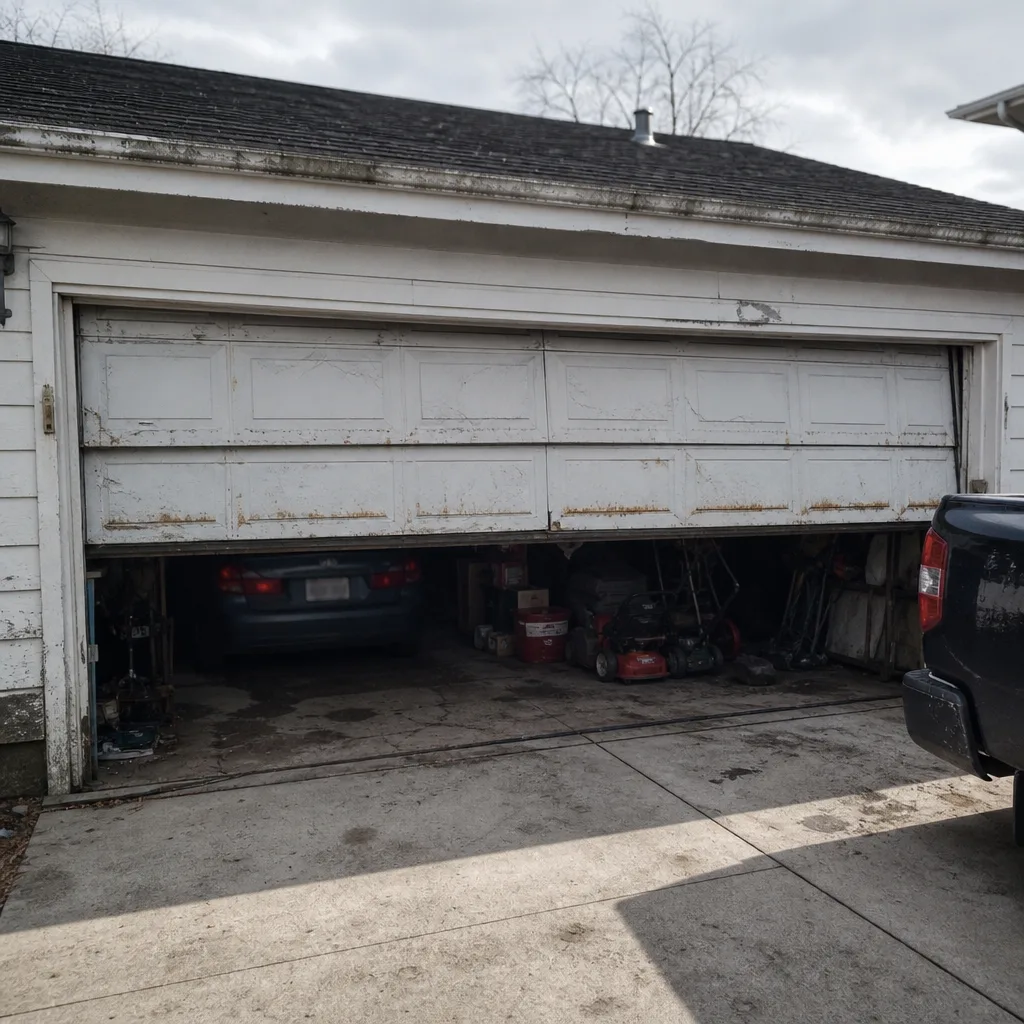 Before
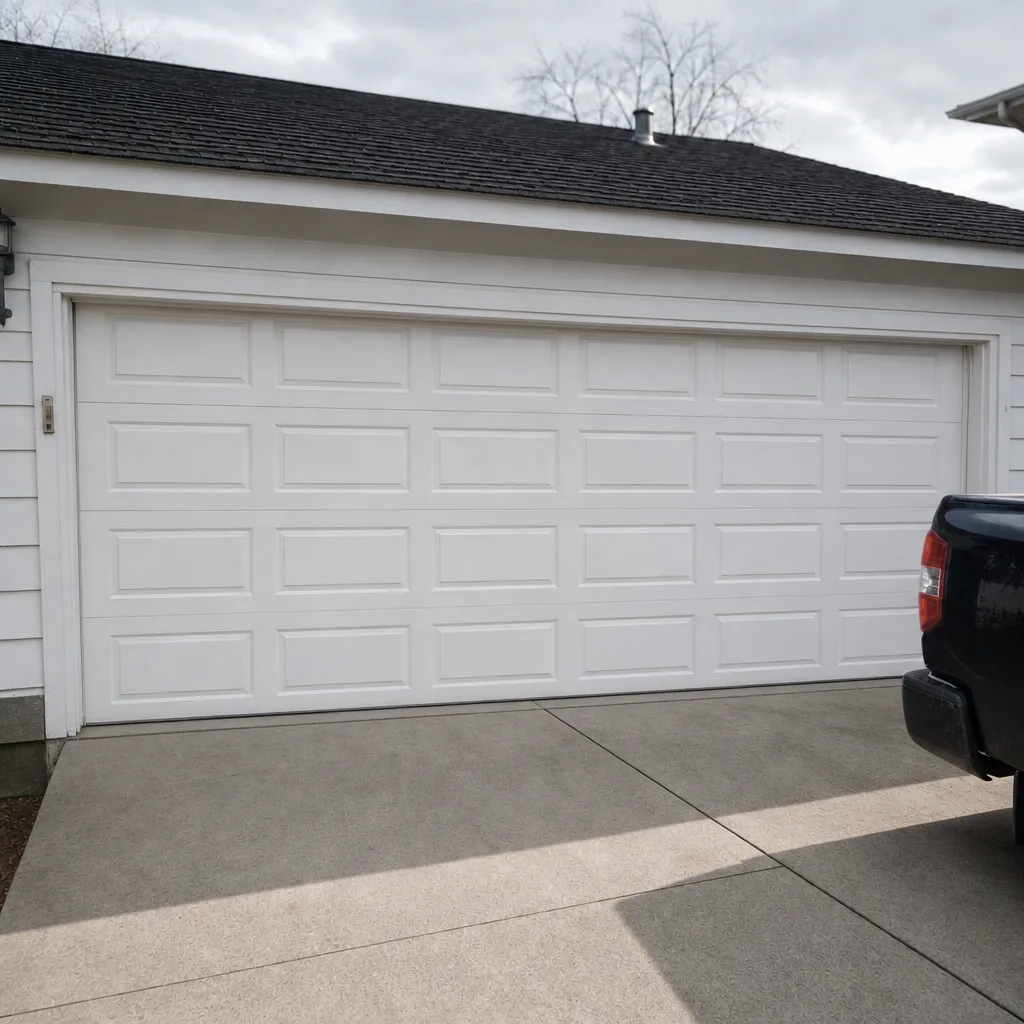 After