Last updated November 22, 2026
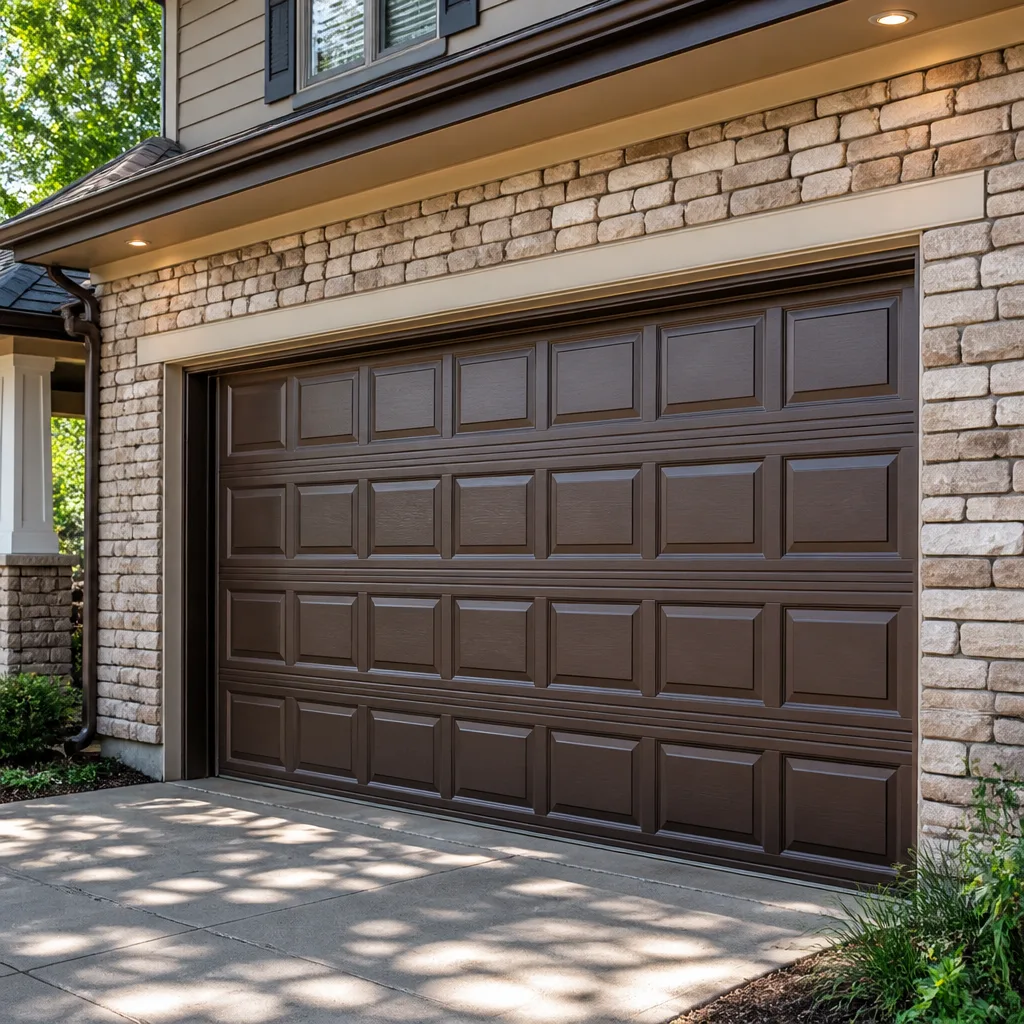 Raised-panel steel
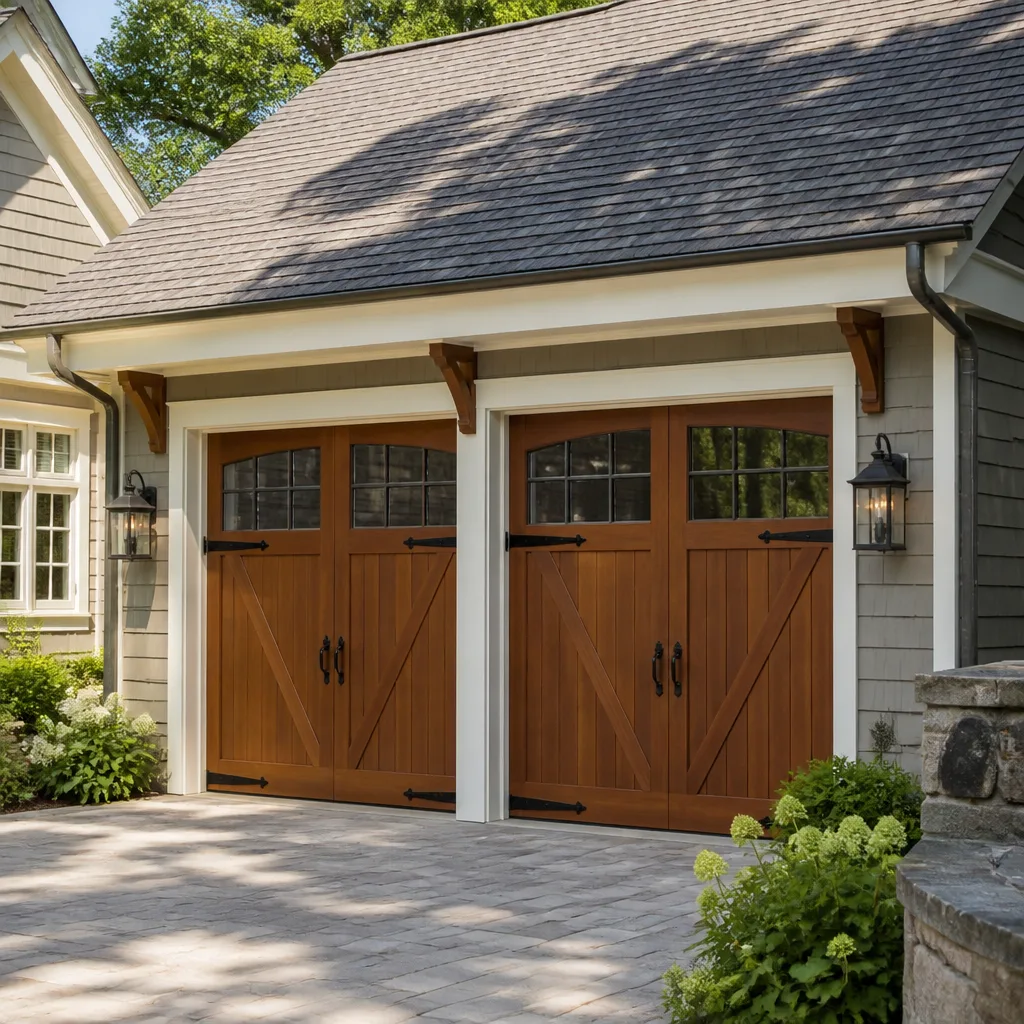 Carriage house
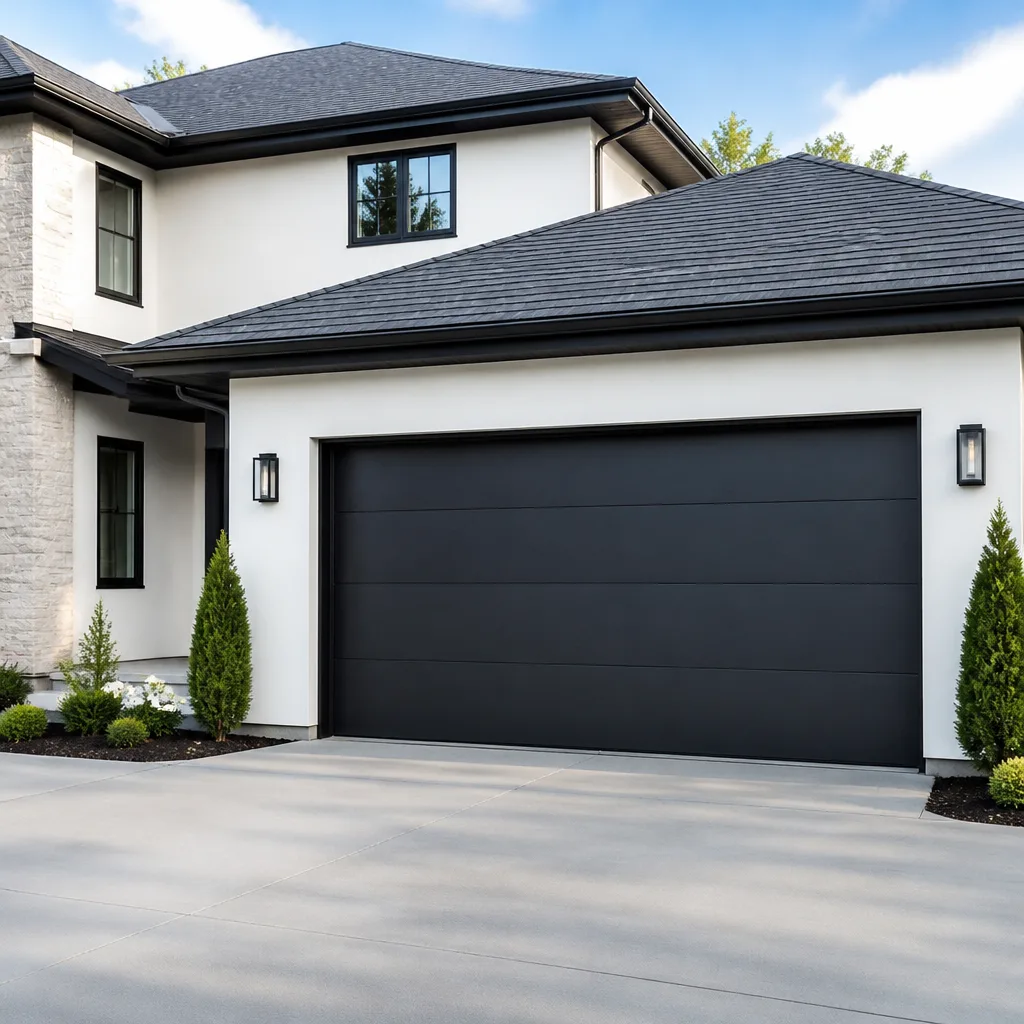 Modern flush
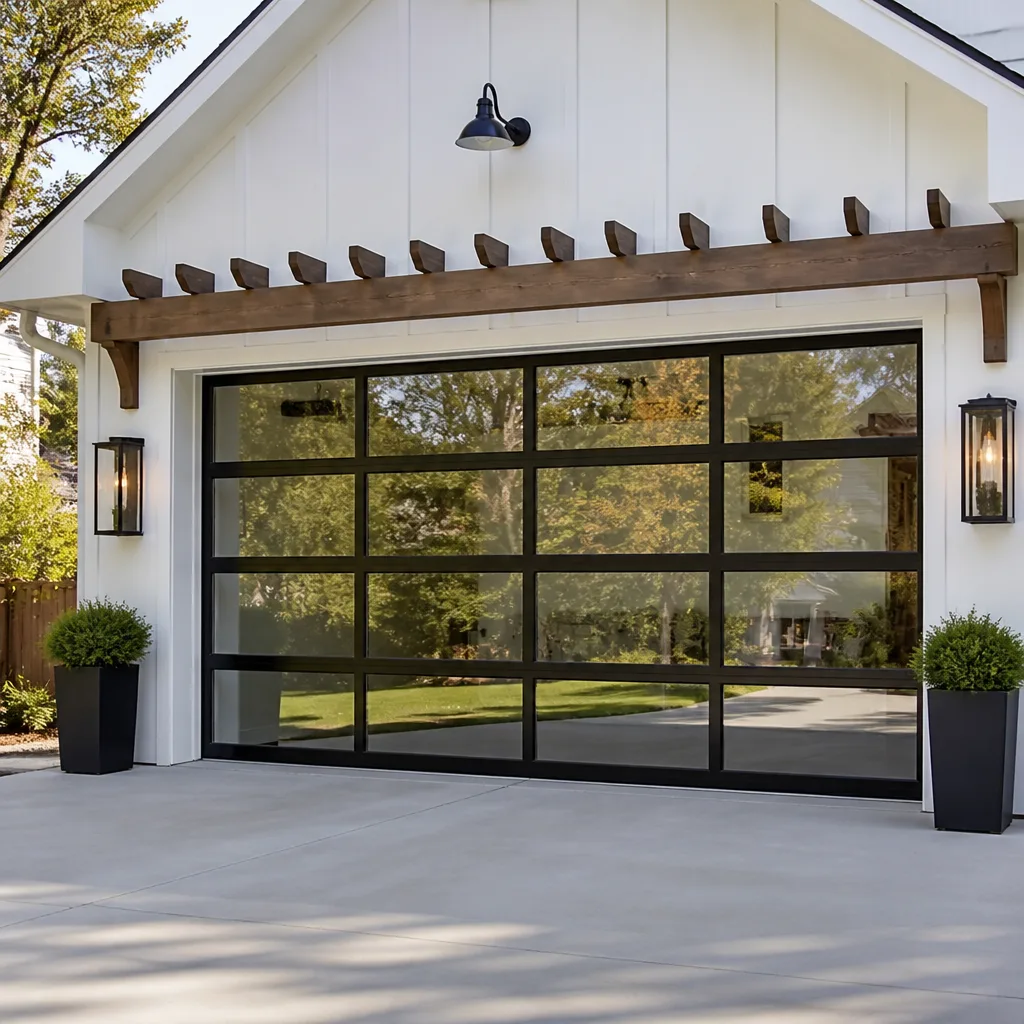 Full-view glass
 LiftMaster openers
 Chamberlain openers
Full 25-point door and opener safety check with every visit - springs, cables, rollers, tracks, and your LiftMaster or Chamberlain opener included
You get a price before we start. It does not change when the pro arrives.
Get your free estimateGarage Door Emergency Preparedness Guide for Wheaton Homes
When a torsion spring snaps at 10 PM in January, the door isn’t just stuck. The panel, which can weigh a few hundred pounds, is suddenly a manually operated slab riding on a cable system most homeowners have never touched, in the dark, in the cold, with a car sealed inside. The counterintuitive part? The dangerous moment usually isn’t the snap. It’s what a homeowner does in the next fifteen minutes. This guide walks through what to actually do in the first quarter hour of each common failure – broken spring, dead opener, off-track door, impact damage, power outage – plus how to secure a Wheaton home when a door won’t close and how to decide whether it’s a real middle-of-the-night call or a wait-until-morning call.
Quick Answer
If your garage door fails in Wheaton, the safest first move is almost always to stop touching it, keep people and pets clear of the door and its springs, and call for emergency garage door service. A snapped spring, an off-track panel, or a door that won’t close all carry real injury and security risks, and a trained technician can usually diagnose the problem and get you back in service the same day. Only use the manual release if you understand what it does to the door’s weight, and never try to fix a spring or cable yourself.
Styles & brands we work with
- Raised-panel steel
- Carriage house
- Modern flush
- Full-view glass
- LiftMaster openers
- Chamberlain openers
Table of Contents
- Scenario 1: A Spring Snapped – The First 15 Minutes
- Scenario 2: The Opener Failed or the Door Won’t Move
- Scenario 3: The Door Is Off-Track or Crooked
- Scenario 4: Panel Impact Damage
- Scenario 5: Power Outage
- How to Use the Manual Release Without Making It Worse
- Securing the Garage When the Door Won’t Close
- Emergency Contact Decision Tree: Call Now or Wait Until Morning?
- What to Document Before an Emergency Happens
Scenario 1: A Spring Snapped – The First 15 Minutes
A broken spring announces itself. You’ll hear a loud bang from the garage, and the door will suddenly feel impossibly heavy or refuse to lift at all. Torsion springs sit on the shaft above the door; extension springs run along the tracks on either side. Either way, a broken spring means the door has lost the counterbalance that makes it liftable, and the opener is now trying to haul the full weight of the door.
Here’s what to do in order:
- Stop the opener. Don’t press the button again. If the door is partway up, leave it there and unplug the opener or pull its emergency disconnect cord only if you can safely reach it. An opener straining against a door with no spring assistance can burn out its gears or motor.
- Keep everyone clear. Broken springs can whip, and a door resting on a snapped spring can drop. Keep kids, pets, and cars away from the door and the tracks.
- Don’t force the door up or down by hand. Without a working spring, the door is dead weight. Trying to lift it can cause injury or send it slamming down.
- Note what you see and hear. Which spring broke (left or right, torsion or extension)? Is the door sitting level or sagging on one side? This helps when you call.
- Call for garage door spring repair. Spring work is the most safety-critical repair on a garage door, and technicians carry the right springs and tools to replace them properly.
If your door has two springs, they’re often replaced as a matched pair so they wear evenly. A pair costs about twice a single spring, and a technician will tell you up front which approach your door needs. In Wheaton’s cold snaps, springs that are near the end of their life tend to fail on the coldest mornings of the year – that’s physics, not bad luck.
Scenario 2: The Opener Failed or the Door Won’t Move
An opener that clicks, hums, or does nothing at all is a different animal from a snapped spring. The door itself may still be balanced and liftable by hand, which points to the opener, the remote, or the safety sensors rather than the door’s mechanical system. Whatever the brand, whether it’s a LiftMaster, Chamberlain, Genie, or a Craftsman unit, the first response steps are similar.
In the first 15 minutes:
- Check the power. Is the opener plugged in? Has a breaker tripped? A power blip is the most common cause of a “dead” opener.
- Check the safety sensors. The two small lenses near the floor on either side of the door need a clear line of sight. A cobweb, a leaf, or a bumped sensor bracket will stop the door from closing. Wipe the lenses and make sure they’re aligned.
- Try a fresh remote battery. If the wall button works but the remote doesn’t, it’s usually the battery or a lost connection.
- Listen to the motor. A hum with no movement often means a stripped gear or a logic board issue. A click with no hum points to a relay or capacitor.
- Don’t keep cycling it. Repeated attempts on a struggling opener can turn a small repair into a motor replacement.
Opener electronics have gotten more complex – modern LiftMaster and Chamberlain units with smart-home integration have logic boards and Wi-Fi modules that need a proper diagnosis, not guesswork. If the door is balanced and the opener is the problem, garage door opener repair is usually a same-day fix. Back in service today is the goal whenever the parts allow it.
Scenario 3: The Door Is Off-Track or Crooked
A door that’s jumped the track, or hangs crooked with one side higher than the other, is a genuine hazard. The rollers are no longer captured, the door’s weight is uneven, and it can fall or twist further at any moment. This is not a fix-it-yourself situation, and it’s not a wait-and-see situation either.
Here’s the safe response:
- Stop all operation immediately. Don’t cycle the opener and don’t try to help the door by hand. An off-track door can come down hard and without warning.
- Keep clear of the door path. Move cars, bikes, and anything valuable out of the door’s swing if you can do so safely, and keep people and pets away.
- Look, don’t touch. Note which side is off, whether a roller has popped out of the track, and whether a track section looks bent. Bent track is common after a vehicle bumps the door.
- Block the door if it’s hanging. If the door is stuck partway and clearly unstable, don’t stand under it – stay out of the garage and call.
- Call for emergency service. Off-track doors are one of the clearest “call now” scenarios. A technician can reset the door, replace bent track or damaged rollers, and confirm the door is balanced before it operates again.
In our experience, off-track doors in Wheaton tend to follow one of two triggers: a car nudged the track on the way in, or a door that’s been running slightly out of balance for a while finally jumped. Either way, the repair is straightforward once a technician is on site – the risk is entirely in the hours before that.
Scenario 4: Panel Impact Damage
Backing into the door, an errant basketball, or a storm-blown branch can leave a panel dented, cracked, or pushed out of alignment. Hail is uncommon in this part of Illinois, so most impact damage here comes from vehicles and everyday accidents rather than weather. The door may still open and close, which tempts homeowners to ignore it – but a damaged panel can weaken the door’s structure and throw it out of balance.
What to do:
- Check whether the door still runs smoothly. If it binds, jerks, or the opener strains, stop using it.
- Inspect the tracks and hinges near the damage. A hard hit often bends a hinge or pops a roller.
- Look for a gap at the bottom seal. A dented bottom panel can leave a gap that lets in cold air, water, and pests.
- Photograph the damage for your records, and note the panel’s position (top, second, bottom) – replacement panels are ordered by position and size.
- Decide between a panel replacement and a full door replacement based on the door’s age, the brand, and whether matching panels are still available. Brands like Clopay, Amarr, and Wayne Dalton offer panel options on many models, and a technician can tell you what’s realistic.
Impact damage rarely requires an emergency call unless the door won’t close or is off-track. But it does need a professional look, because a door that seems fine after a hit can be quietly out of balance. That’s a job for garage door repair, not a weekend project.
Scenario 5: Power Outage
When the power goes out, your opener is dead but your door isn’t. Most openers have a manual release that lets you disengage the door from the opener so you can lift it by hand – but only if the door is balanced and you understand the motion. This is the scenario where homeowners get hurt, so read carefully.
First, confirm it’s a power issue:
- Check other circuits. If lights elsewhere in the house work, the problem may be a tripped breaker or a GFCI outlet the opener is plugged into.
- Reset the breaker if you find one tripped, then test the opener.
- If the whole house is dark, the opener is fine – you’re dealing with an outage. Wait it out if you can, and leave the door closed.
- If you must get a car out, use the manual release – but only on a balanced door, and only with the door fully closed. See the next section for the exact motion.
One point worth knowing: after an outage, many modern openers need their travel limits or force settings re-checked, and some smart-home-integrated models need to reconnect to Wi-Fi. If your LiftMaster or Chamberlain opener behaves oddly after the power comes back, that’s normal – it may just need a reset, or it may need a technician to reprogram the limits.
How to Use the Manual Release Without Making It Worse
The manual release is a cord hanging from the opener trolley, usually red, sometimes with a handle. Pulling it disconnects the door from the opener so the door rides freely on its tracks. The danger is that a door with a broken spring, or a door that’s out of balance, will not stay where you put it – and it can slam down.
Here’s the safe way to think about it:
- Only engage the release with the door fully closed. With the door down, the disconnect is at rest and the door is supported by the floor. Pull the cord firmly downward and slightly toward the door, a single deliberate motion. Don’t yank sideways – that can jam the trolley.
- Never engage it with the door partway up unless you’re certain the door is balanced and you have a firm grip. A door hanging partway with a dead spring can drop the moment it’s disconnected.
- Test the balance before you lift. With the door disconnected, lift it about a foot by hand. If it feels extremely heavy, or won’t stay put when you let go, it’s not balanced – leave it down and call a technician.
- Re-engage the release the same way. To reconnect, pull the cord again while the door is closed, then run the opener once to confirm it re-engages the trolley.
- If the cable or spring looks damaged, don’t touch the release at all. A cable under tension can cause serious injury. This is a stop-and-call situation.
If you’re not sure whether your door is balanced, the safest answer is to leave the release alone and call. A trained technician can check balance in under a minute and won’t put you at risk to do it.
Securing the Garage When the Door Won’t Close
A door that won’t close is a security problem, and in a Wheaton winter it’s also a cold-air problem. The next 10 minutes matter more than you’d think. Here’s a simple sequence to secure the garage before a technician arrives:
- Clear the door’s path. Check for anything blocking the safety sensors or the door’s travel – a shovel, a recycling bin, a kid’s toy. Many “won’t close” doors are actually a sensor or obstruction issue.
- Lower the door by hand if it’s safe. If the door is balanced and you can lower it gently, do so and leave it down. Don’t force it.
- If the door is stuck open, secure the opening. Park a car close to the opening if you can, and move anything valuable out of the garage. A door stuck open is an open invitation.
- Lock the interior door between the garage and the house. That’s the barrier that matters most overnight.
- Leave an exterior light on and let a neighbor know if you’re going to be away from the house.
- Call for emergency service if the door can’t be secured. Same-day solution is the goal, and a technician can often get a door closing again in a single visit.
If the door won’t close because of a snapped spring or off-track panel, don’t force it. A door that’s been forced down can bend the track or damage the panels, turning a repair into a replacement.
Emergency Contact Decision Tree: Call Now or Wait Until Morning?
Not every garage door problem is a middle-of-the-night call. The trick is knowing which is which, so you don’t lie awake worrying about a problem that could have waited – or wait on one that shouldn’t. Here’s the decision tree we use.
Call now (emergency):
- The door is off-track, crooked, or hanging partway and unstable.
- A spring or cable has snapped and the door is stuck open or can’t be secured.
- The door won’t close and you can’t secure the garage another way.
- A car is trapped inside or outside and you need to get out.
- You hear grinding, snapping, or repeated popping from the door or opener and the door won’t stop cycling.
Safe to wait until morning (schedule a prompt visit):
- The door closes and latches, but the opener is dead or the remote is flaky.
- The door runs but makes new noise, or runs slightly rough.
- A panel is dented but the door still operates and closes flush.
- The safety sensors need adjusting and the door closes when you hold the wall button.
- The opener needs reprogramming after a power outage.
In our experience, the majority of calls that come in overnight are in the first group. If you’re unsure, call anyway. It’s better to describe the situation and be told it can wait until morning than to spend the night with a door hanging by a thread. Emergency garage door service exists for exactly these moments, and (844) 713-9631 connects you to help – estimates are free.
What to Document Before an Emergency Happens
The single best thing you can do for your future self is a ten-minute documentation session while everything is working. When a door fails in the cold at 10 PM, the last thing you want to be doing is hunting for a model number on a sticker you can’t read in the dark. Here’s what to capture:
- Spring specs. Note whether your door has torsion or extension springs, whether there are one or two, and any markings on the spring. A technician will measure them, but knowing the type speeds up the call.
- Opener make and model. The model sticker is usually on the back or side of the motor housing. Write it down – LiftMaster, Chamberlain, Genie, and Craftsman all have distinct model lines, and knowing yours helps the technician bring the right parts.
- Serial numbers. Both the door and the opener have them, and they’re useful for warranty claims.
- Door brand and panel count. If your door is a Clopay, Amarr, Wayne Dalton, or Raynor, note the brand and the number of panels. Panel replacement depends on match availability.
- Warranty paperwork location. Snap a photo of the warranty page and keep it with your home records – don’t rely on a filing cabinet you’ll have to dig through.
- Installer contact. If you had the door installed, keep the installer’s info handy. If not, keep our number: (844) 713-9631.
This one habit turns a stressful emergency into a simple call. A technician who knows your door’s brand, model, and spring type before arriving can plan the visit properly and often finish in a single trip. As a team that works on the brand you already have – whether that’s a LiftMaster opener or a Wayne Dalton panel – we can tell you that a little documentation saves real time.
Common Mistakes to Avoid
- Forcing a door with a broken spring. The door is dead weight, and trying to lift it can cause serious injury. Keep it closed and call.
- Engaging the manual release on a door that’s partway up. A door with no spring assistance can drop the moment it’s disconnected. Only release a fully closed, balanced door.
- Hitting the opener button over and over. Each attempt strains the motor and gears, and can turn an opener repair into an opener replacement.
- Ignoring a door that won’t close. An open garage in Wheaton overnight is a security gap, and cold air can freeze pipes in an attached garage if the door stays open.
- Letting a “small” dent go unchecked. Impact damage often throws the door out of balance, which wears the opener and springs faster.
- Assuming every opener failure is a power issue. Modern LiftMaster and Chamberlain units have logic boards that fail in specific ways – a professional diagnosis beats guesswork.
- Skipping the documentation step. Without model numbers and spring specs, a simple call takes longer and may need a second visit to bring the right parts.
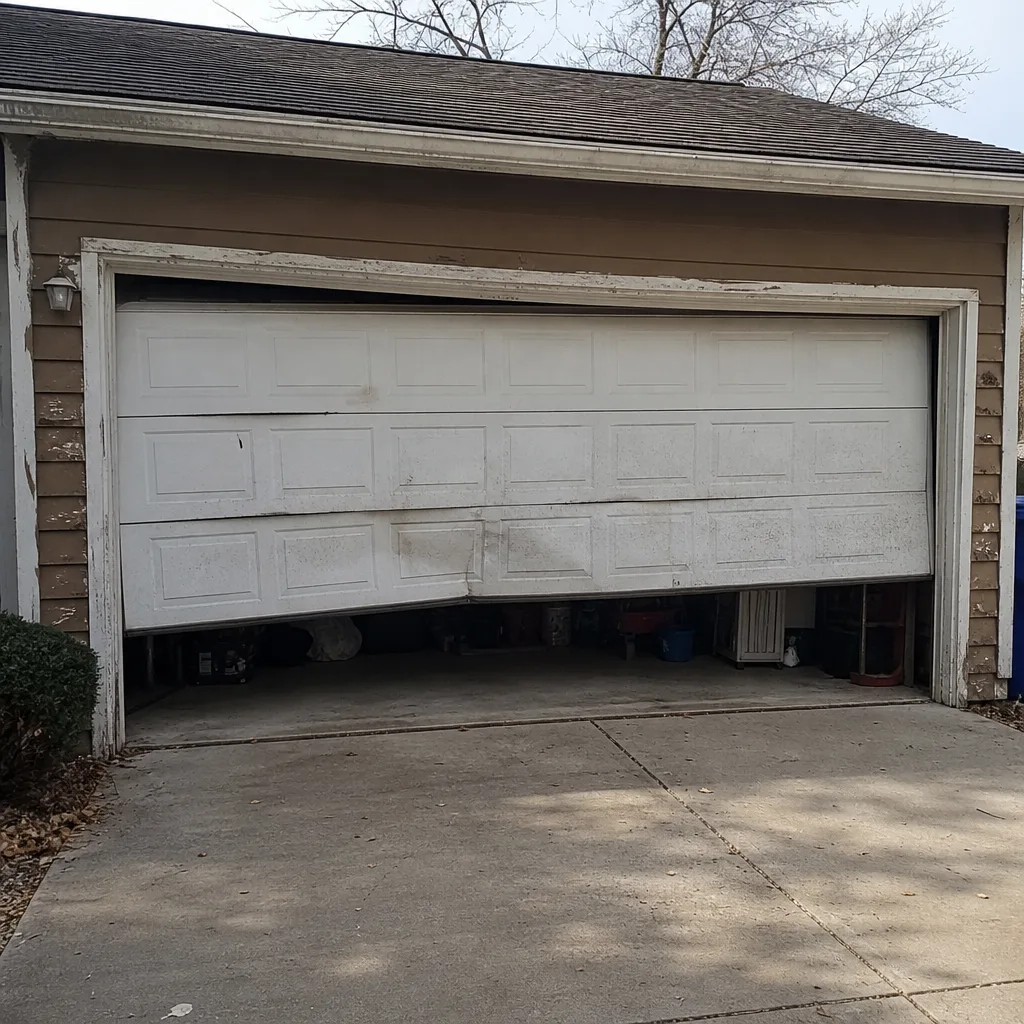
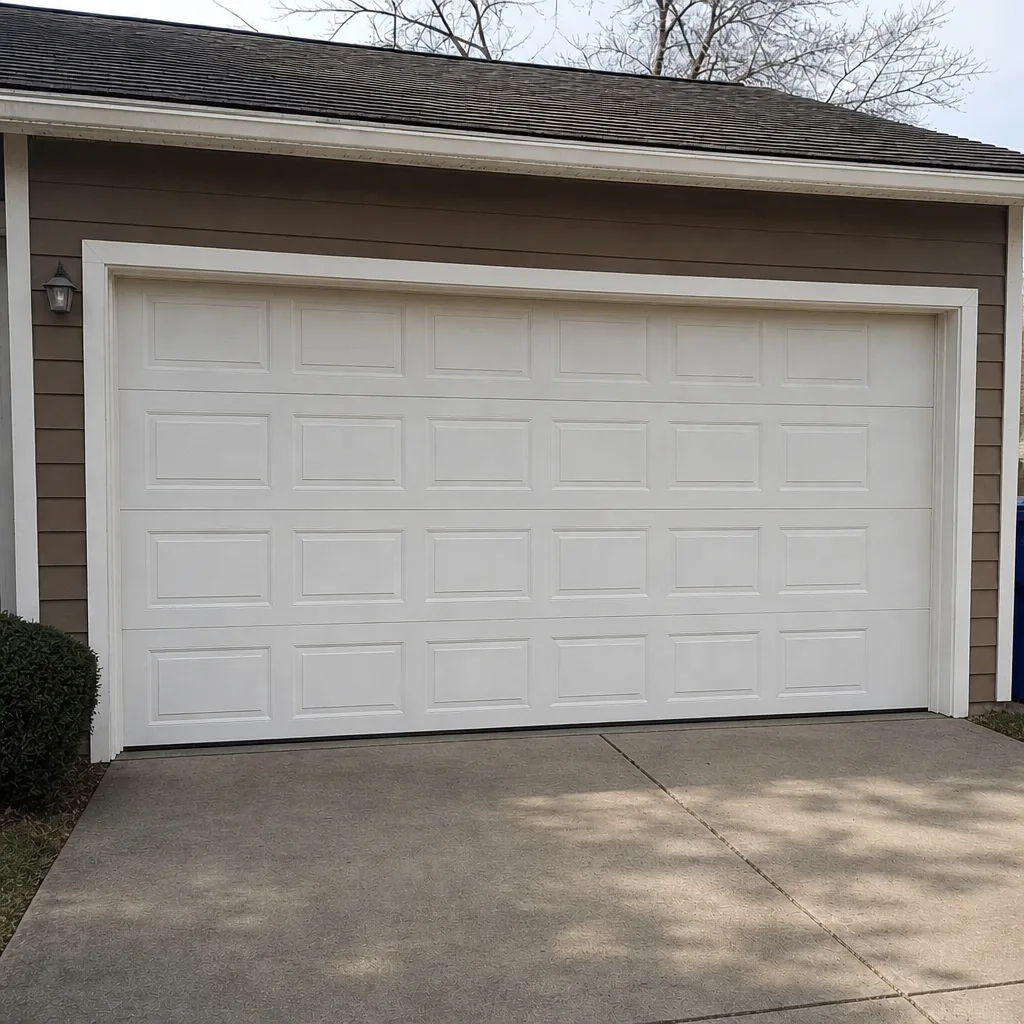
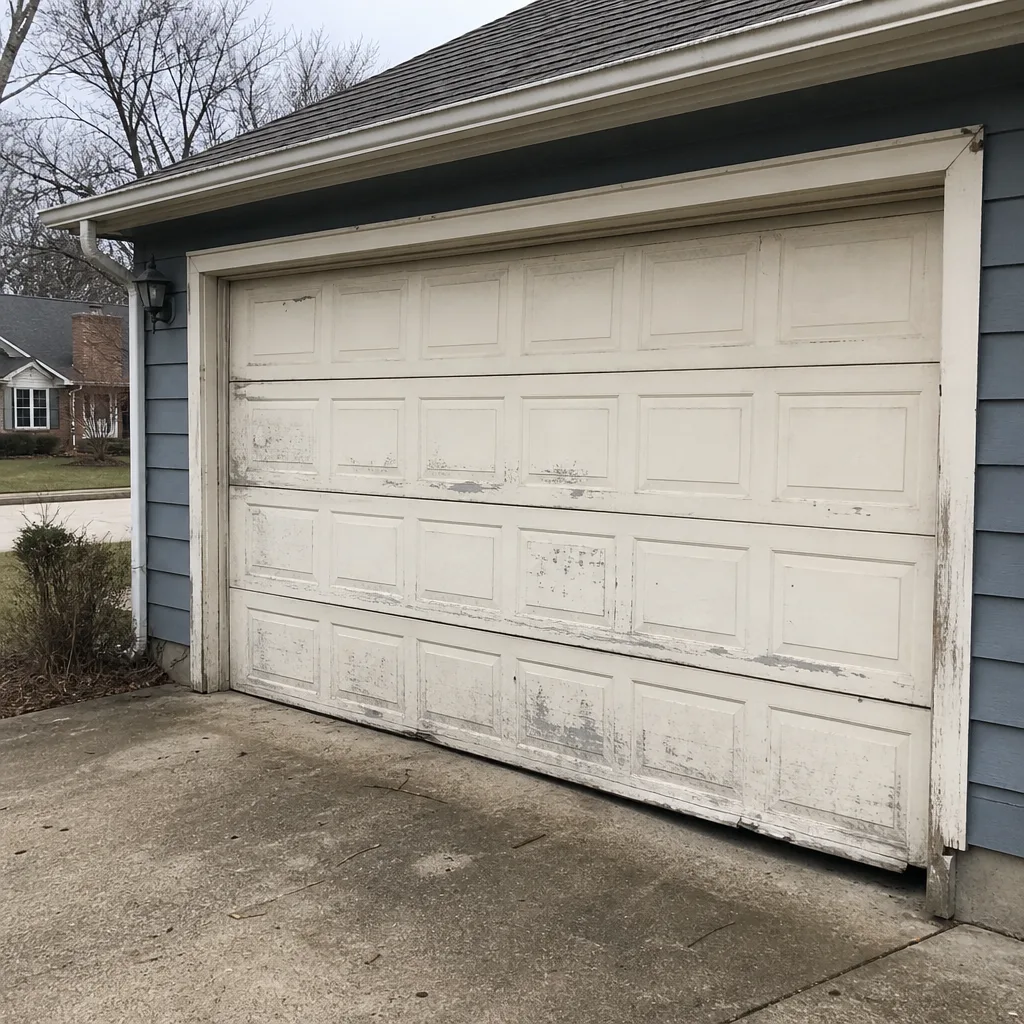
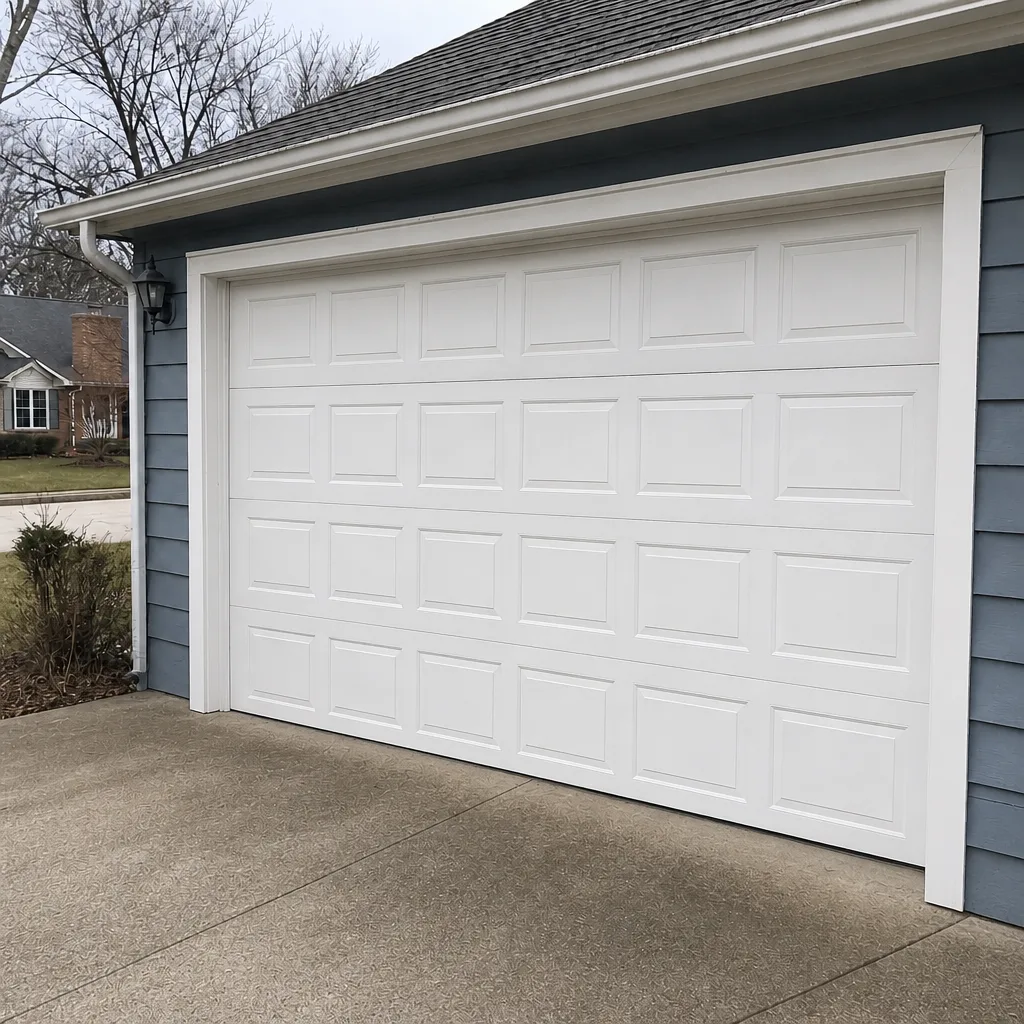
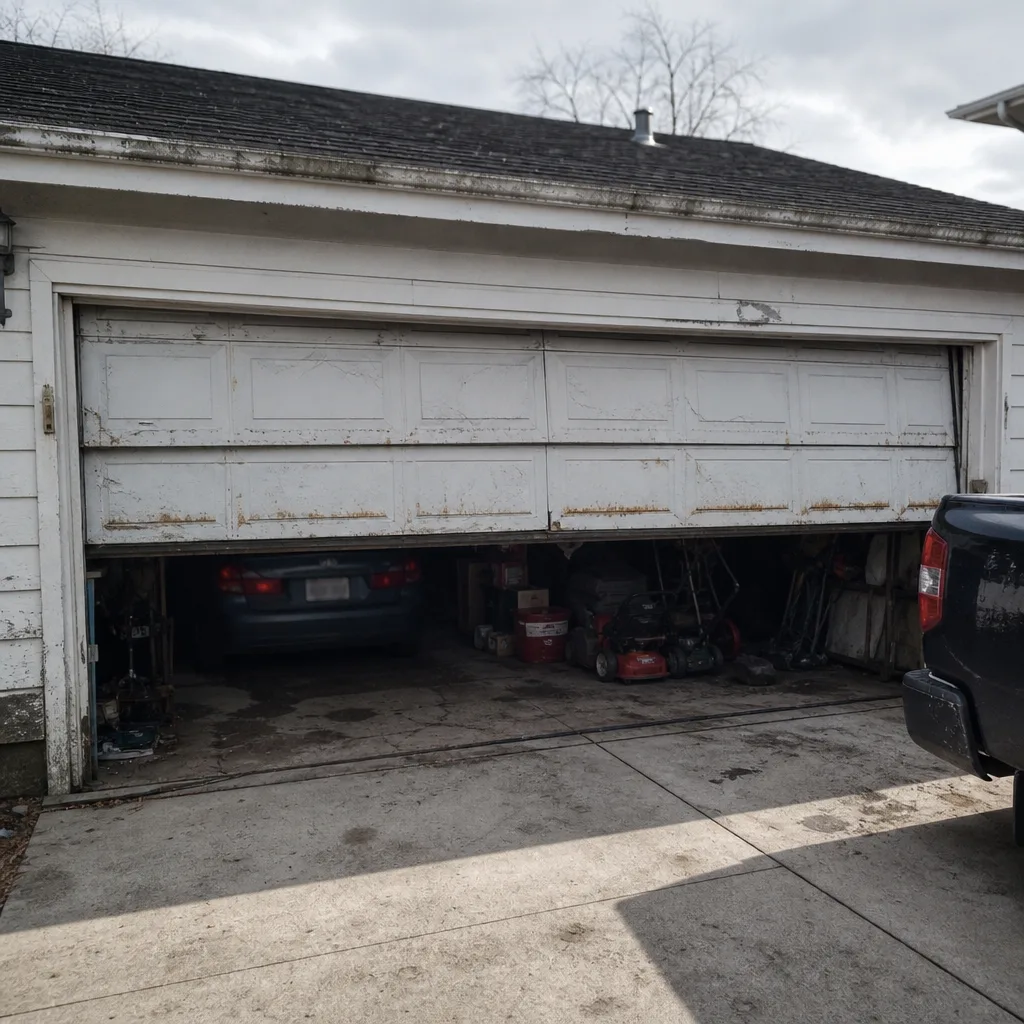
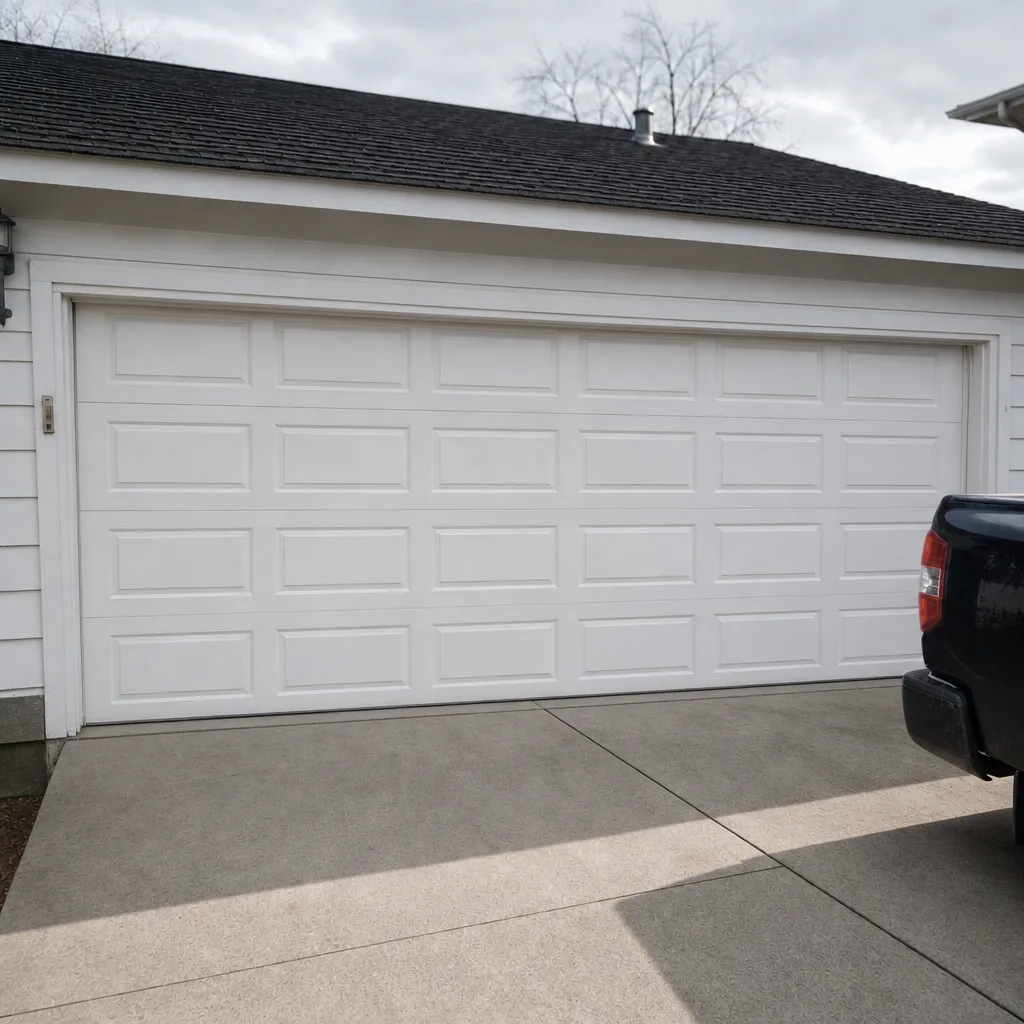
See the difference
 Before
 After
 Before
 After
 Before
 After
When to Call a Professional
Call a professional for anything involving springs, cables, torsion shafts, or off-track doors. These are the components where a mistake can cause a serious injury. Also call when the door won’t close and you can’t secure the garage – that’s a security situation, not just a maintenance item. Call when the door is off its tracks, when a panel is bent badly enough to affect operation, and whenever you hear a loud snap from the garage. If the opener is dead but the door closes and latches, a prompt visit is fine. Wheaton Garage Door Repair Pros offers free estimates in Wheaton – call (844) 713-9631. Our technicians have up to 9 years of experience, and we work on LiftMaster, Chamberlain, Genie, Clopay, Amarr, Wayne Dalton, Craftsman, and Raynor equipment. The quote is agreed before any work starts, so there are no surprises when the job is done.
Frequently Asked Questions
Stop the opener, keep everyone clear of the door and tracks, and don’t try to lift the door by hand. Then call for spring repair. A broken spring means the door has lost its counterbalance, and forcing it can cause injury.
Yes, but only if the door is fully closed and you’ve confirmed it’s balanced. Pull the release cord straight down with one firm motion, lift the door about a foot to test the weight, and if it feels extremely heavy or won’t stay put, lower it and call a technician. Never release a door that’s partway up.
Not long. Secure the garage by parking a car near the opening, moving valuables out, locking the interior door, and leaving an exterior light on. If you can’t secure it, that’s an emergency call.
Usually not, as long as the door still closes and runs smoothly. Hail is uncommon here, so most dents come from vehicle contact. Have a technician check the balance and the hinges before the door’s operation causes more wear.
It depends on whether you have one spring or a matched pair, and we’ll confirm the exact price in a written estimate before any work starts. Call (844) 713-9631 for an exact quote – estimates are free, and the price we quote is the price you pay.
No. The price is quoted and agreed before any work begins, so a written estimate is the final price for the work described. If the technician finds something else wrong, you’ll get a new estimate before any additional work starts.
The Bottom Line
Garage door emergencies in Wheaton aren’t really about the door – they’re about the fifteen minutes right after the failure. Stop operations, keep people clear, use the manual release only on a fully closed and balanced door, and secure the opening if you can. Document your spring specs, opener model, and serial numbers now, while everything works, so a future emergency is a quick call instead of a scramble. For the failures that can’t wait, emergency garage door service is available and responsive. One call covers the full range, from emergency response to spring repair to new door installation. When it has to work – call.
Written by the team at Wheaton Garage Door Repair Pros.