Last updated November 22, 2026
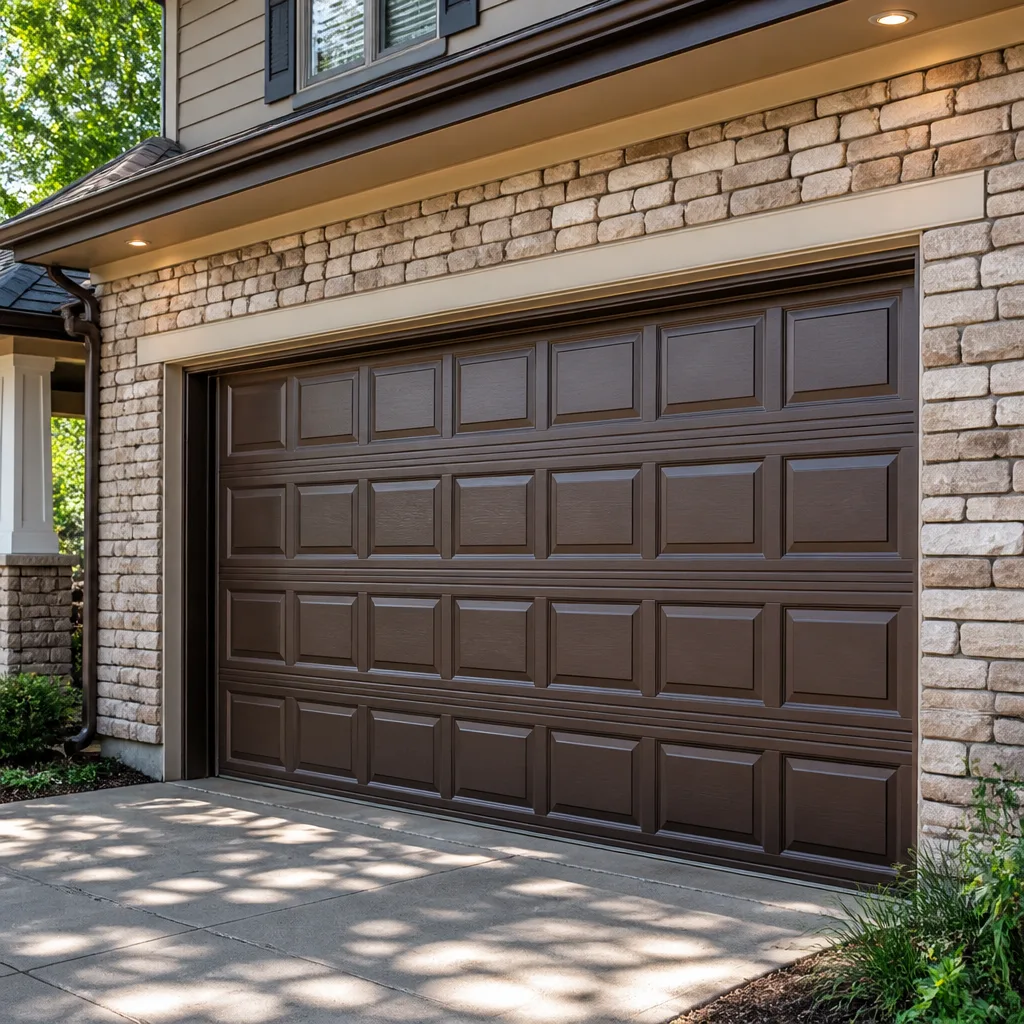 Raised-panel steel
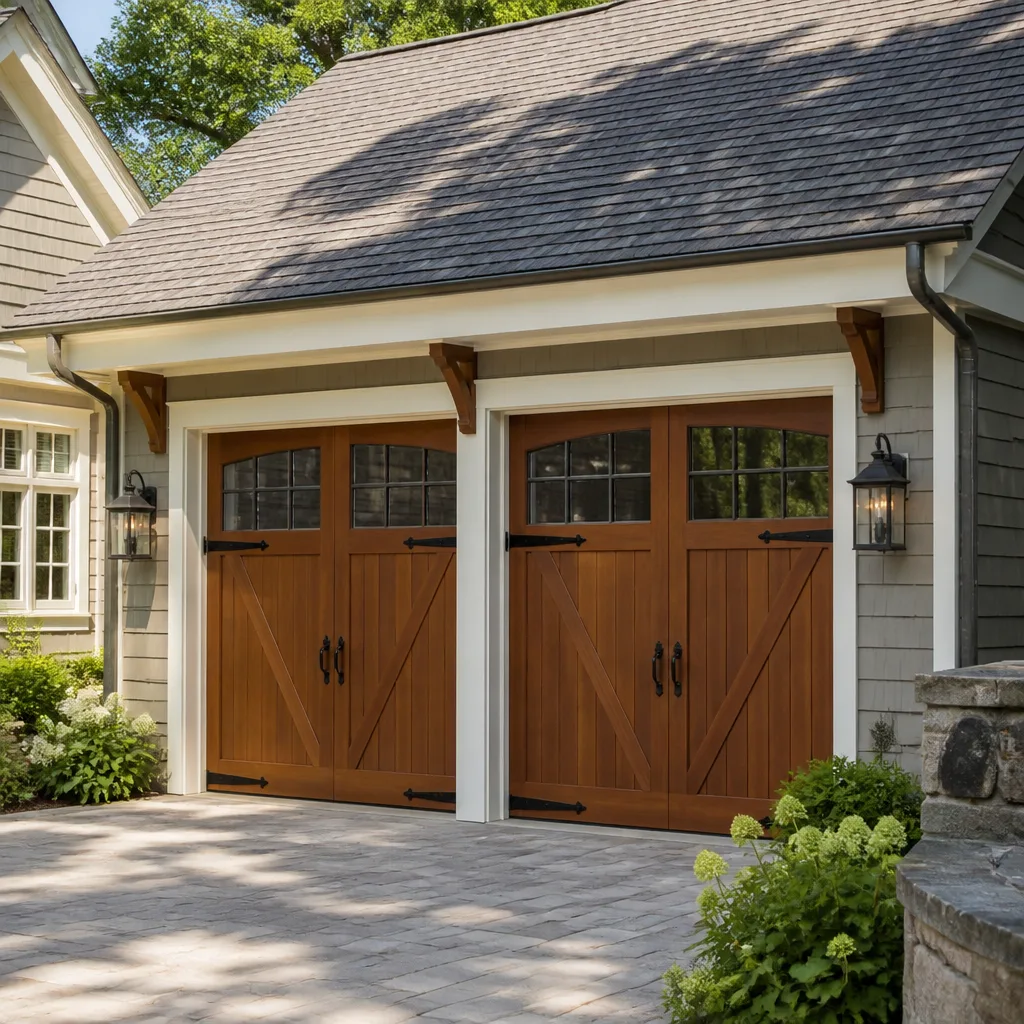 Carriage house
 Modern flush
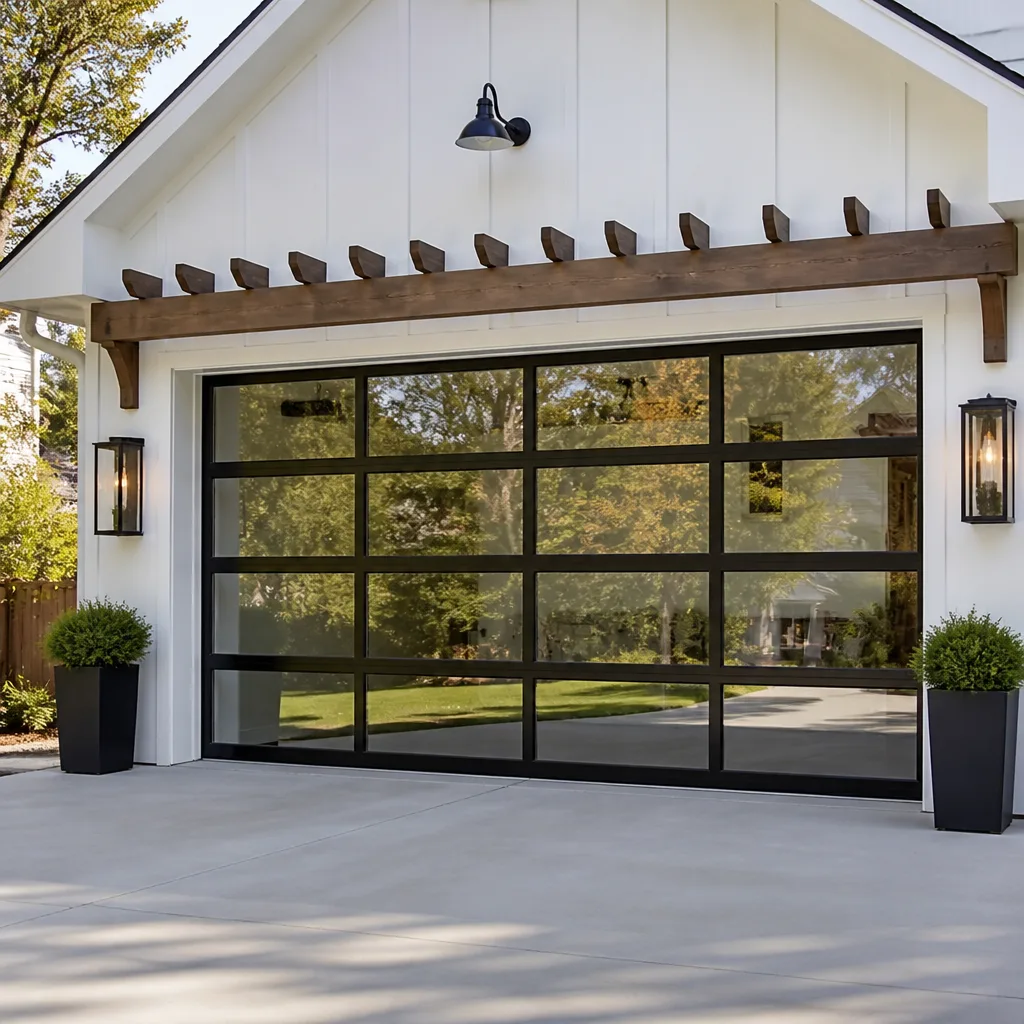 Full-view glass
 LiftMaster openers
 Chamberlain openers
Full 25-point door and opener safety check with every visit - springs, cables, rollers, tracks, and your LiftMaster or Chamberlain opener included
You get a price before we start. It does not change when the pro arrives.
Get your free estimateHow to Hire a Garage Door Contractor in Wheaton: A Step-by-Step Guide
Most garage door problems we diagnose were caused by the last contractor, not by normal wear. We’re talking about the wrong spring weight on a door that was already a few pounds off spec, a mismatched track radius, and an opener with its torque settings still sitting at the factory default for a door far heavier than a standard one. None of those are exotic failures. They’re hiring failures. This guide is built to help you avoid them, from the five questions that separate a diagnostician from a parts-swapper to reading a quote line by line to understanding what Illinois actually requires of the person who shows up at your Wheaton home.
Quick Answer
Hiring the right garage door contractor in Wheaton, IL comes down to five checks: ask about brand-specific parts access, request a Certificate of Insurance showing general liability coverage, confirm they do warranty work for the brands they install, get an itemized written quote instead of a phone estimate, and ask what happens in year two if the same door fails. Illinois does not currently license garage door contractors, so those five checks carry the entire weight of your vetting, and a contractor who answers them specifically is a contractor whose work will hold up.
Styles & brands we work with
- Raised-panel steel
- Carriage house
- Modern flush
- Full-view glass
- LiftMaster openers
- Chamberlain openers
Table of Contents
- The Three Types of Garage Door Company (And Why the Difference Matters)
- Five Diagnostic Questions to Ask Before You Book
- Illinois Licensing: What’s Required and What to Actually Request
- How to Read a Garage Door Quote Line by Line
- Local vs. National: What Changes in Year Two
- Wheaton-Specific Things to Know Before You Hire
- The Complete Vetting Checklist
The Three Types of Garage Door Company (And Why the Difference Matters)
Garage door companies in Wheaton fall into three distinct categories, and one of them is a problem for homeowners who need service after the install. Door installers specifically install new doors and structure their business around that. They know the door brands they carry, they can set a track, and they can spring a new door right. What they often cannot do is come back in year two and diagnose why a LiftMaster opener is tripping its safety reverse or why the panels on the door they installed are rattling loose from their hangers. Their value is in installation, and their warranty service often routes back through the manufacturer rather than through the installer’s own schedule.
Door dealers are the second type. They carry one or two brands and push those brands hard. That’s fine if you want exactly what they carry. It’s less fine if you have an existing Raynor or Wayne Dalton door and need a spring spec you’ll then have to source from a dealer who doesn’t stock it.
Full-service repair specialists are the third type. They service what they install, they diagnose from the door outward, and they work on multiple brands because their business isn’t tied to any one manufacturer’s margin. The key distinction is warranty service. When a full-service repair specialist installs a door, they can turn around and fix the panels, the opener, or the spring under the same visit. When a door installer installs a door, you may end up calling a separate company to service the thing the first company put in.
Wheaton homes tend to have a lot of doors in their second and third decade, which means most of the volume in this market is repair work, not installation. That reality should shape who you hire. A specialist who lives in the repair lane is the safer call.
Five Diagnostic Questions to Ask Before You Book
These five questions do more to sort contractors than any review reading. Each one is followed by what a good answer sounds like and what a red flag sounds like, so you can listen for substance rather than buzzwords.
- “What brand and model is my opener, and can you service it?” Ask this before you tell them the brand. A diagnostician will ask you the model number and then confirm they can service it, and they’ll mention specific parts or a specific approach. A red flag is a vague “we can work on anything” without actually asking you what you have. A specialist will reflexively want to know the model because the correct parts depend on it. We service LiftMaster, Chamberlain, Genie, Clopay, Amarr, Raynor, Wayne Dalton, and Craftsman for exactly this reason – we want to know what we’re walking into before we walk in.
- “What spring weight does my door need?” The correct answer is the weight of your door. A good contractor will tell you they’ll weigh the door and spec a spring from that number, not from a chart or from whatever spring is on the truck. A red flag is someone who quotes a spring price over the phone before anyone has measured anything. Spring weight is one of the most common sources of premature failure because a hot or cold garage in February and July needs a spring that’s matched to the actual door load.
- “Do you do warranty work, or will I need to call someone else?” A good answer is “us.” A red flag is any variation of “you’d go through the manufacturer.” If the company can’t service their own work, you’re going to become someone else’s service call in year two.
- “Are you insured, and can you send the certificate?” A good answer is “yes, and here it is.” A red flag is a contractor who hesitates, deflects, or quotes an insurance number over the phone without a certificate. Insurance is the one thing on this list you should never take on faith. More on this below.
- “Can you give me an itemized quote before any work starts?” A good answer is “yes, and the quote is the price.” A red flag is a quote that arrives only after the technician has already started, or a quote that says “starting at” with no line items. The written estimate is the number that matters – the goal of every question above is to get to a quote specific enough to trust.
Illinois Licensing: What’s Required and What to Actually Request
Illinois does not currently license garage door contractors, which is the single most important fact in this guide and the one most homeowners never learn. That means there’s no state database to look up your contractor, no license number to verify, and no state-level enforcement mechanism if the work causes a problem. A handyman with a truck can legally spring your door in Wheaton and hand you an invoice. The gap has to be closed by the homeowner, not by the state.
Since there’s no license to check, the vetting shifts entirely to insurance and to a paper trail. Here’s what to actually request before work starts:
- Certificate of Insurance for general liability. This is the coverage that pays if the contractor damages your door, your car, or your home during the job. A certificate is a one-page document your contractor’s insurance company issues naming the coverage limits. Ask for it, look at the limits, and confirm the coverage is current.
- Workers’ compensation certificate, if the contractor has employees. This covers the contractor’s own staff if someone gets hurt on your property. A one-person operation won’t have this, but a company with employees should be able to produce it. Ask.
- A written contract. The quote is the contract. Get it in writing before work starts, with line items, materials, and the final price. No verbal estimates. No “we’ll figure it out on the truck.”
Ask your city’s building department about permits for garage door replacement. Local rules on permits vary, and a permit tied to the job is another layer of accountability that insurance alone won’t provide. If a contractor balks at pulling a permit, that’s a signal about how they treat the rest of the process.
How to Read a Garage Door Quote Line by Line
Most garage door quotes you’ll see from Wheaton contractors fall into two buckets: short lump-sum quotes and itemized quotes. Itemized is always better. The point of the line-by-line read isn’t to micromanage the price – it’s to know what’s being excluded, because “standard installation” is a phrase that means slightly different things to different companies.
Here’s a table of typical add-ons you’ll see on a Wheaton quote and how to read them:
| Line Item | What to Expect | Legitimate vs. Upsell |
|---|---|---|
| Removal and disposal of the old door | Itemized as a separate charge | Legitimate. Some companies bundling it, some don’t – ask. |
| New tracks and hardware | Itemized or bundled into “standard install” | Legitimate if the old tracks are worn. Ask why if not. |
| Opener replacement | Quoted separately from the door | Legitimate if your opener is failing or under-powered. Not automatic. |
| Spring replacement | Quoted per spring, not per pair | Legitimate – and if the tech quotes you one range for a matched pair, ask them to break it out. |
| Safety sensors | Itemized when replaced | Legitimate, especially if yours are pre-2000 or failing. |
| Panel replacement | Itemized per panel | Legitimate if a panel is dented. Not needed if the panel is fine. |
Legitimate add-ons are the ones the tech can explain in terms of your actual door. Upsells are the ones priced out of a standard menu without reference to your situation. For example, if your existing tracks are straight and the tech recommends replacing them anyway, ask why. If they can explain the wear, that’s a legitimate line item. If they can’t, you’re being sold a package.
Watch out for quotes that exclude the door mechanism itself – some “standard install” pricing is for the door panels and track only, with opener, sensors, and disposal added later. That’s fine if you know it upfront. It’s a problem if the price surprises you after the truck leaves. And on the spring pricing specifically, the per-spring versus per-pair distinction matters for the same reason: springs are usually replaced as a matched pair, so a single-spring price is half of the real total. A technician who quotes a pair price clearly and explains the reasoning is a technician who respects the customer’s intelligence.
Local vs. National: What Changes in Year Two
The trade-off between local and national garage door companies in Wheaton is real, but it isn’t the one most homeowners assume. The obvious advantages of a national chain are brand recognition and a phone tree that answers 24/7. The obvious advantages of a local operation are response time and a name attached to the work. Those aren’t wrong, but they miss the thing that actually matters: what happens when the door fails again in year two, and you need someone to come back.
Parts availability is the first year-two factor. Local contractors in Wheaton tend to work across multiple brands – LiftMaster, Chamberlain, Genie, Clopay, Amarr, Wayne Dalton, Craftsman, Raynor – because they don’t have a dealership agreement steering them to a single make. That means when your existing door needs a part, they can source it without being locked into one manufacturer’s supply chain. National chains are sometimes tied to the brands their corporate parent sells, which is fine when the part is common and less fine when it isn’t.
Response time is the second. A Wheaton-specific operation tends to be geographically closer to your home, and that’s a real advantage on a spring failure on a Sunday or an opener that stops working when you have somewhere to be. But the response-time advantage assumes the local contractor is reputable – a bad local contractor doesn’t become good just because they’re nearby.
The third factor is who shows up in year two. A national chain may route a warranty call through a call center that schedules the next available technician, who may or may not have been involved in the original work. A local contractor often sends someone who has seen the door. That’s not a legal guarantee, it’s a structural difference, and it’s why full-service repair specialists are often the best fit for Wheaton homeowners with an aging door.
Wheaton-Specific Things to Know Before You Hire
Wheaton is a city of older housing stock, and that shapes the garage door repair market in ways that are easy to miss if you’re comparing quotes from out-of-town contractors. Homes near the DuPage County Historical Museum and the downtown Wheaton core often have original or first-replacement doors from decades past, which means a lot of service calls here are about springs, tracks, and openers that are older than the houses around them. A contractor familiar with this housing stock knows to expect a certain amount of wear on the hardware, and they know to weigh the door before they guess at the spring.
Wheaton’s climate matters too. The temperature swing from summer to winter is significant enough that a garage door can be stressed in both directions – cold makes springs more brittle and more likely to snap, and the heat and humidity of a Wheaton summer makes openers work harder. A technician who’s never serviced a door in this climate may not think to check the spring load with the temperature swing in mind. A contractor who works here every day does. That’s not something you can ask about in the abstract; it’s the kind of thing you notice when the technician walks in and starts looking at the door differently than the last company did.
Neighborhoods across Wheaton – from the homes near the Cosley Zoo to the streets near the Wheaton Public Library – see a mix of attached and detached garages, and that changes the work. Detached garages are sometimes on a separate power panel and need specific opener configurations. Attached garages have a door that’s part of the house’s security envelope, so the opener and sensors matter on a different level. A contractor who tells you your door is “just a standard install” without walking out and looking at the garage itself is a contractor who hasn’t done enough Wheaton work.
The Complete Vetting Checklist
Put the whole guide in one place. Use this list before you book anyone:
- Confirm the company services your brand. Ask the model number, then confirm they can source parts for it. A specialist will ask about the model first.
- Request the Certificate of Insurance before you book. Not after. General liability at minimum, workers’ comp if they have employees.
- Ask about their warranty process. Who comes back in year two? If it isn’t the same company, that’s a soft flag.
- Get a written, itemized quote. Not a phone estimate. Not a lump sum. Itemized, before work starts.
- Ask who does the work. If the company subcontracts, ask who the subcontractor is and whether they’re insured. You have a right to know.
- Ask about permits. Confirm whether the job requires one from the city and who’s pulling it.
- Read the quote’s exclusions. Look for “standard installation” exclusions: disposal, hardware, opener, sensors.
- Ask how a spring is quoted. Per spring, not per pair, and the technician should know to weigh the door.
One more thing worth naming explicitly: spring repair is the highest-risk, most technically demanding part of garage door work. A torsion spring under tension is intrinsically dangerous, and the failure of one can cause serious injury to anyone in its path. We say this to outline the risk, not as an invitation to handle the job yourself. If you’re in the middle of a spring problem, stop and call a trained professional. The same is true for opener work that involves the door’s balance system and for anything requiring you to climb on a stepladder over the door – none of it is a homeowner job.
Common Mistakes to Avoid
- Skipping the insurance certificate. A verbal “we’re insured” isn’t proof. Ask for the certificate, look at it, and move on if the contractor can’t produce it. Illinois doesn’t require a license, so insurance is the only backstop you have.
- Accepting a phone estimate on a spring. A spring price quoted over the phone without a tech weighing the door is a guess. It’s also often the source of the “why did it fail again” complaint. Springs are specced to door weight, not to standard sizes.
- Trusting “standard installation” without reading the exclusions. The phrase means slightly different things to every company in Wheaton. Ask what’s included and what’s extra before you sign, not after the truck leaves.
- Hiring a door installer to service an existing door. A door installer is built for installs; a repair specialist is built for the door that’s been in place for twenty years. These are different skills and different warranties. Ask which one they are.
- Not asking about the opener model up front. Modern LiftMaster and Chamberlain openers have controller electronics and smart-home integrations that legacy Craftsman or older Genie units don’t. A company that doesn’t ask about the model may or may not know how to service it – and you’ll be the one paying when they get it wrong.
- Choosing on price alone. The lowest quote in Wheaton is often the one that skips the weigh, skips the track check, and skips the safety reverse test. A cheap quote on a high-tension spring isn’t cheap once the same spring fails again in eighteen months.
- Failing to ask who comes back in year two. This is the question that separates a company built for one call from a company built for repeat business. Ask it every time.
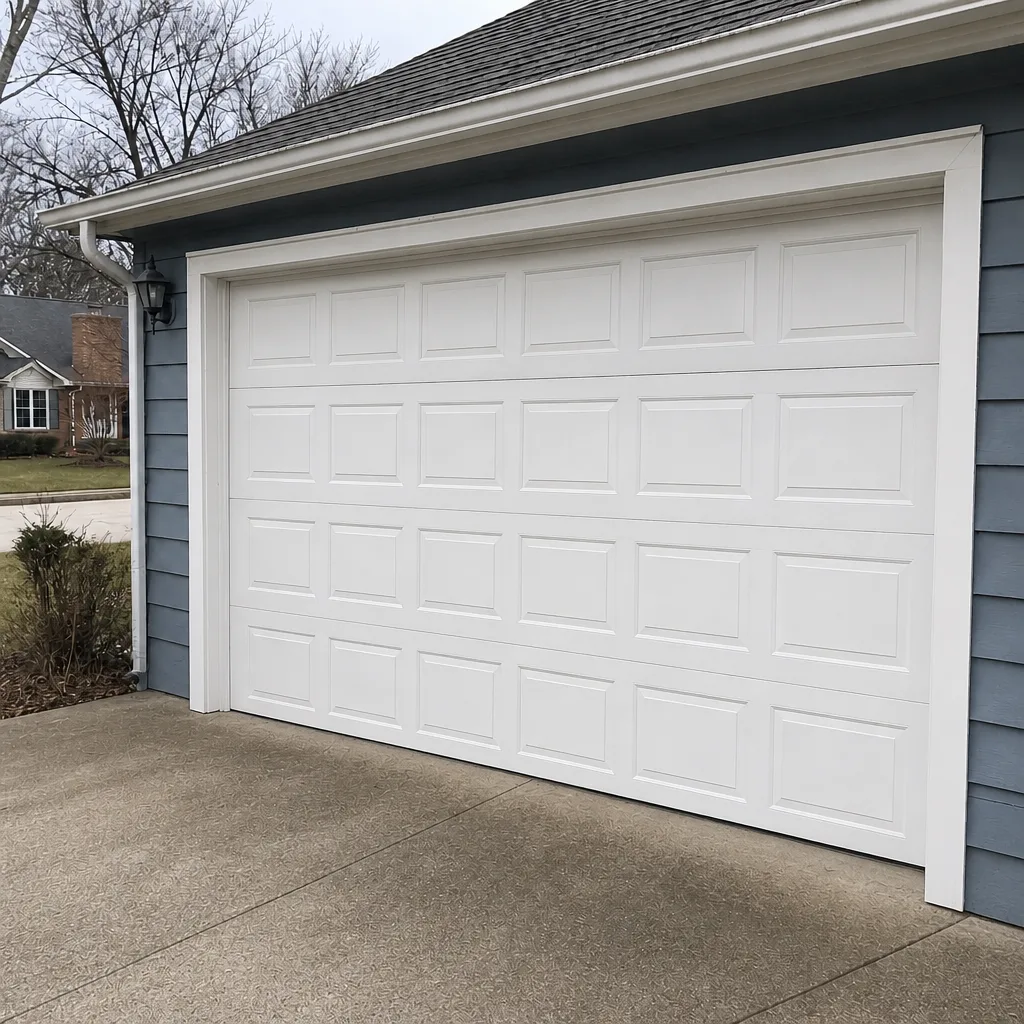
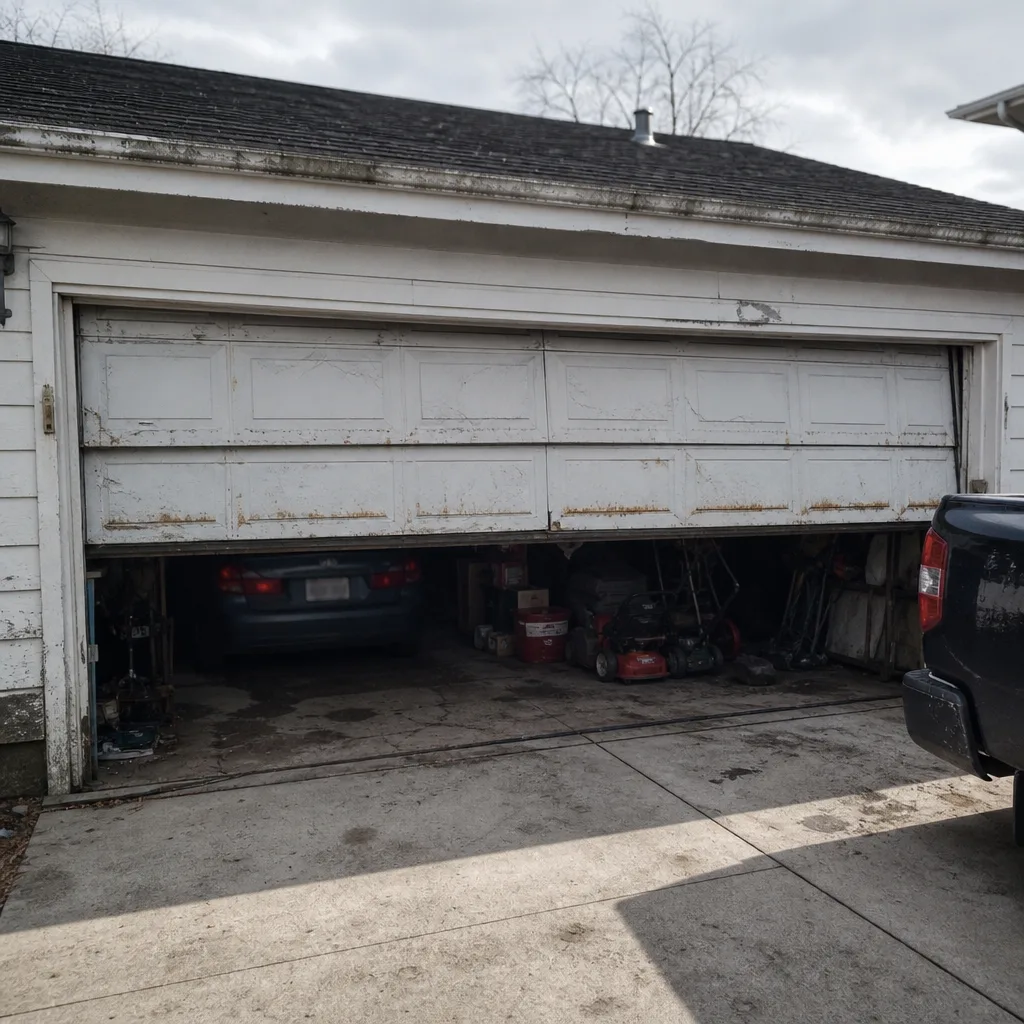
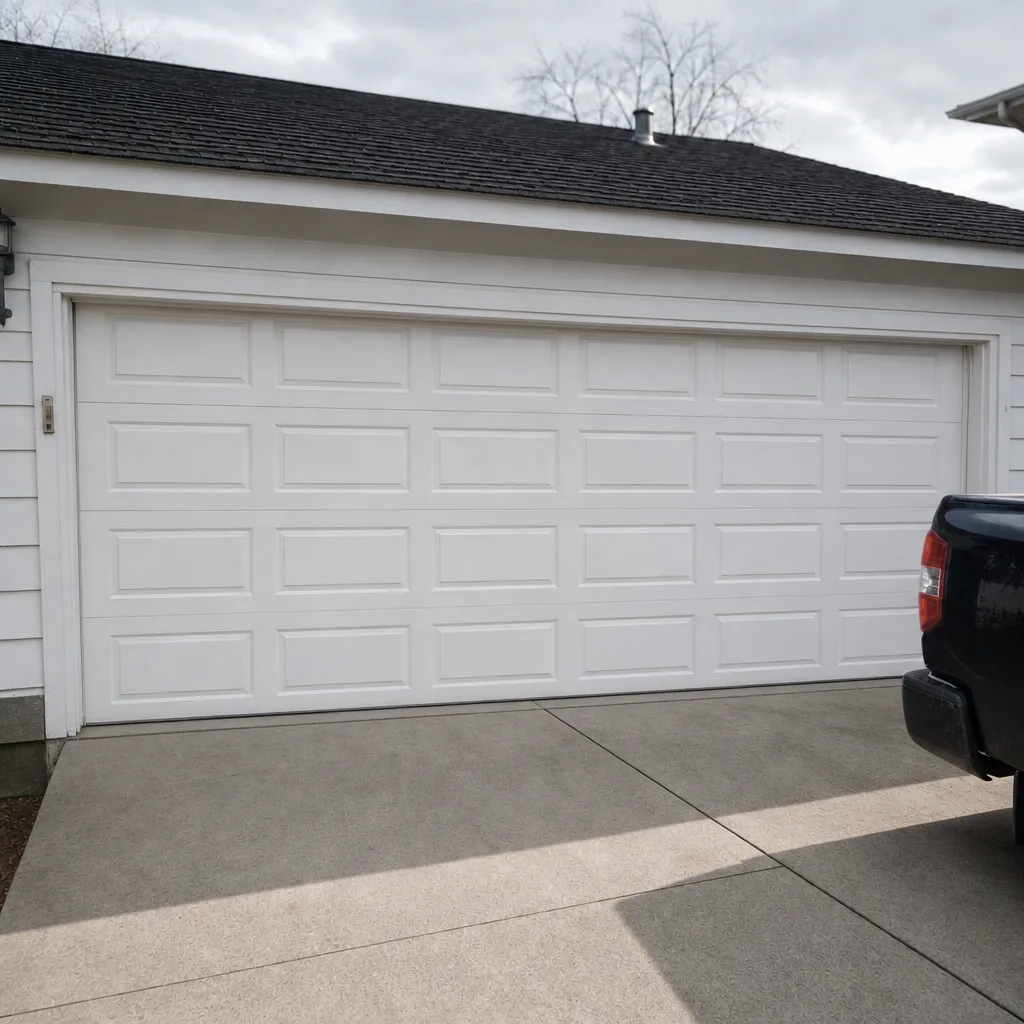
See the difference
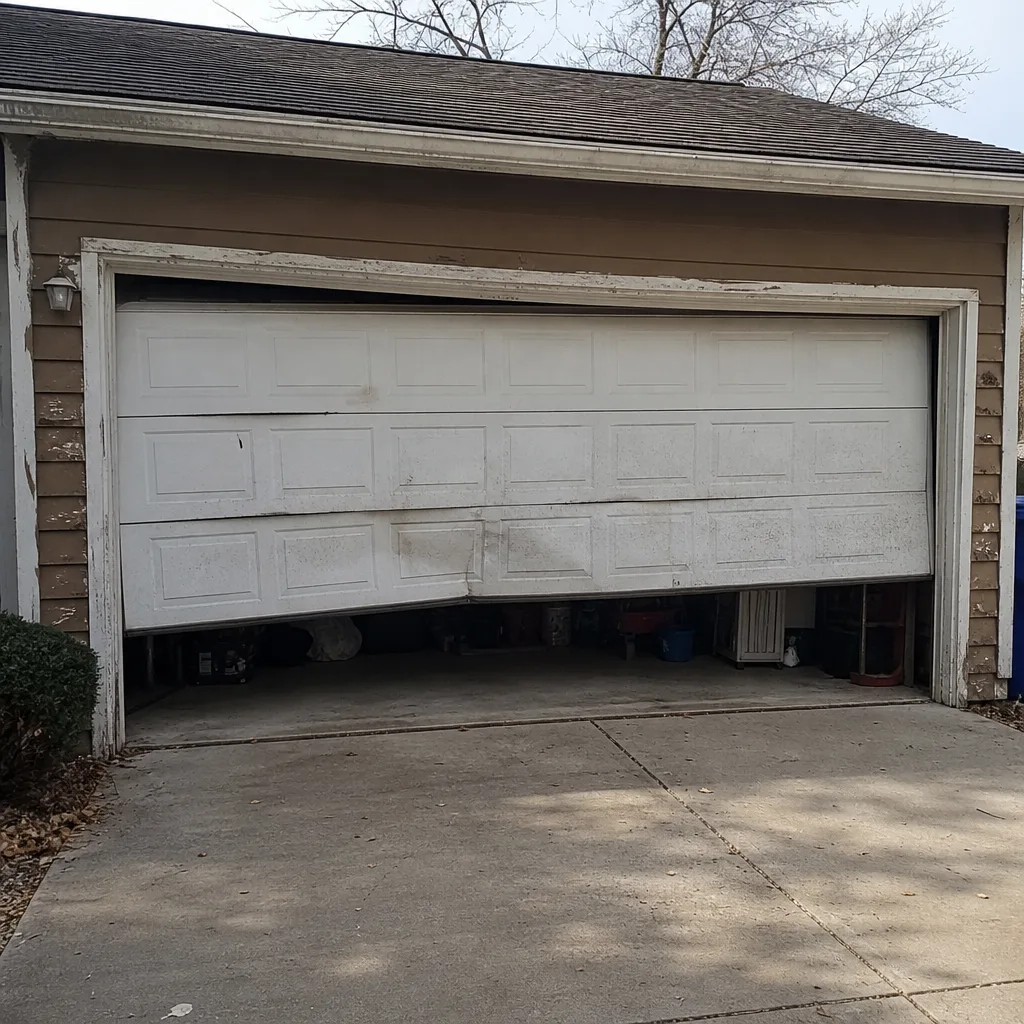 Before
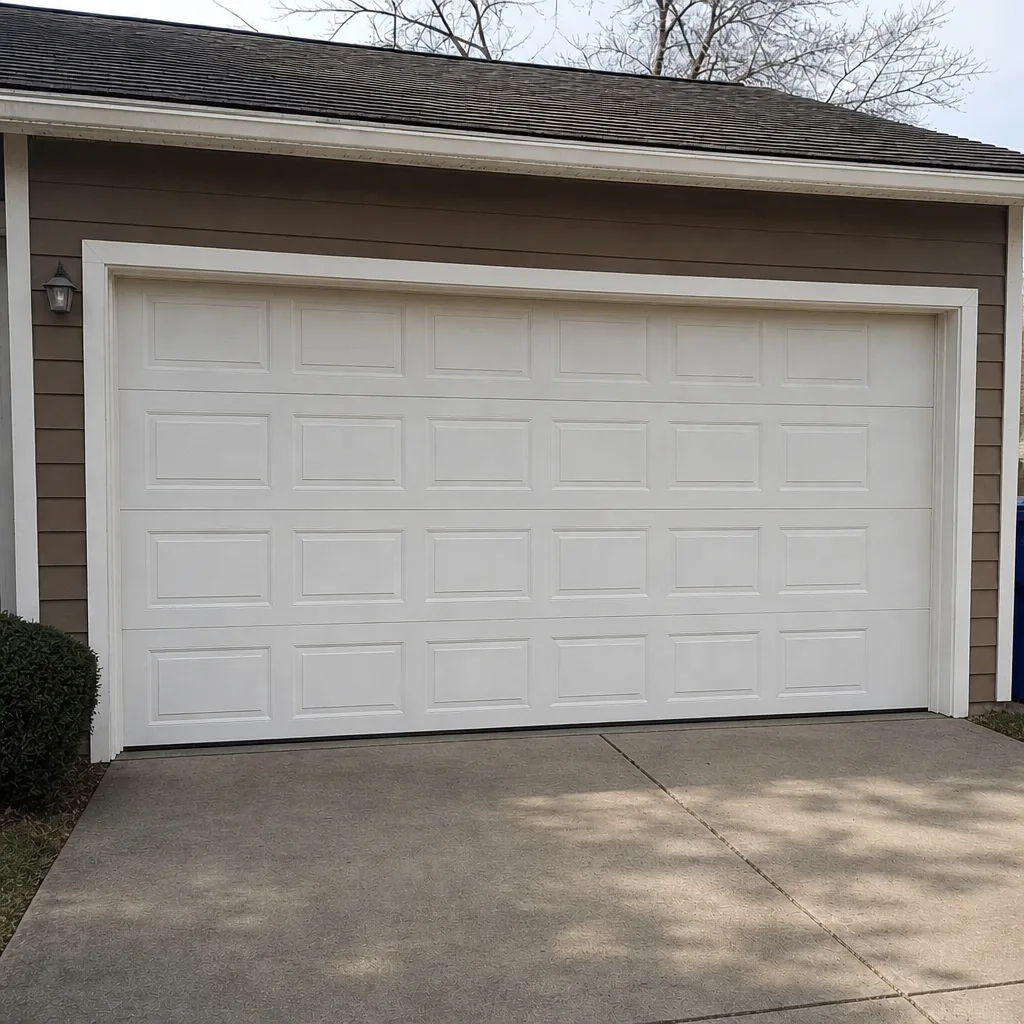 After
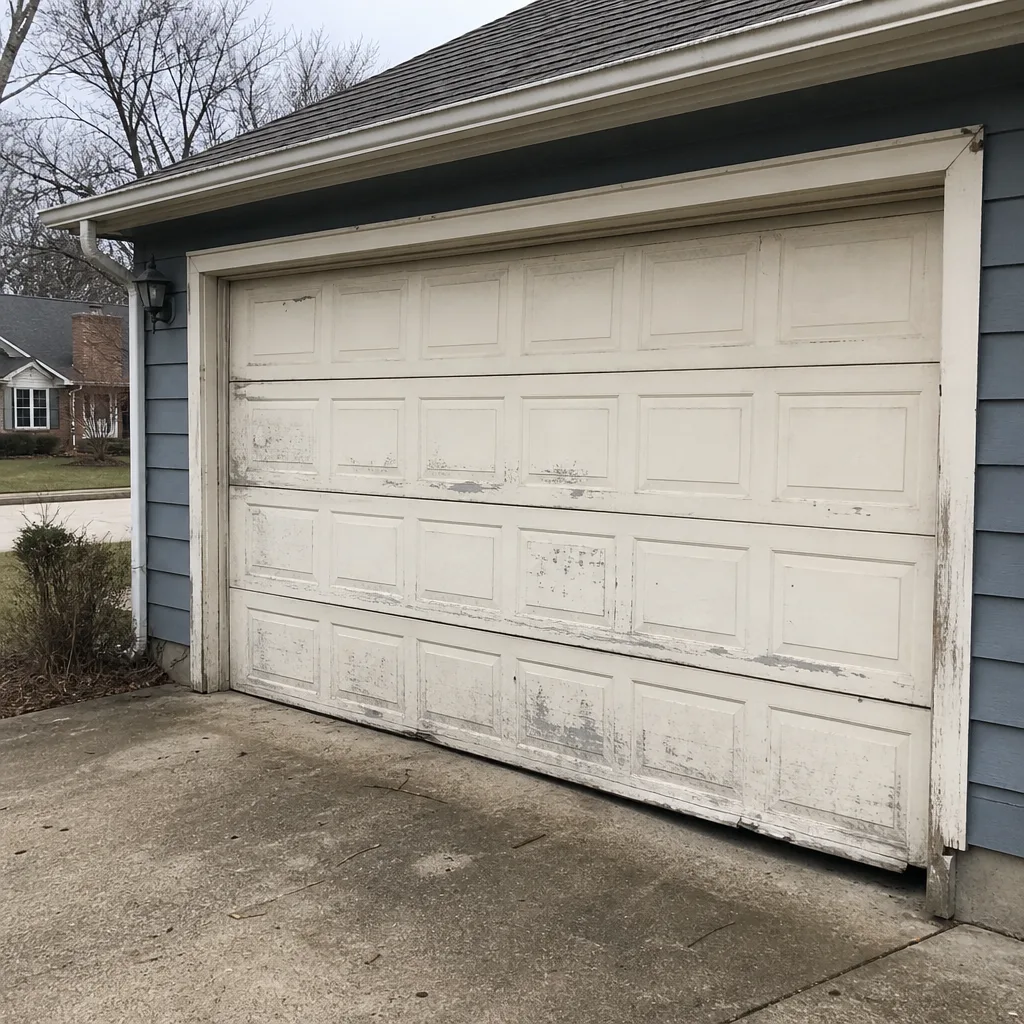 Before
 After
 Before
 After
When to Call a Professional
Some garage door work is a homeowner job. A visual inspection, a remote battery, a wiped-down sensor lens – all fair game. The rest of it isn’t. You should call a professional the moment you notice a spring that looks visibly wound down or has snapped, an opener that runs the door unevenly or reverses for no reason, tracks that have pulled loose from the ceiling, a door that’s off its level, or a panel that’s bent enough to misalign the door’s travel. Any of those on a Wheaton door is a same-day call, and on a spring specifically, a call before you touch anything. Our technicians are experienced with high-tension spring work and have a dedicated spring specialty for exactly this reason. If the door has failed after hours, we offer emergency service because waiting until Monday usually means the car sits on the driveway until Monday. Wheaton Garage Door Repair Pros provides free estimates in Wheaton – call (844) 713-9631.
Frequently Asked Questions
No – Illinois doesn’t currently license garage door contractors, so there’s no state license to verify. That means you should vet on insurance and written quotes instead: ask for a Certificate of Insurance showing general liability coverage, confirm workers’ compensation if the company has employees, and get a written itemized quote before work starts. Call (844) 713-9631 for a free estimate.
Garage door repair in Wheaton typically runs in a broad range depending on the job – spring replacement is the most common item and is usually the largest single line on a repair invoice, while opener service and sensor replacement are smaller. A single spring and a matched pair are different prices, and the technician should quote per spring so you can see the difference. Ask for the written estimate before work starts. Call (844) 713-9631 for an exact quote – estimates are free.
Yes, for the brands we service. We work on LiftMaster, Chamberlain, Genie, Clopay, Amarr, Wayne Dalton, Craftsman, and Raynor – which covers the vast majority of doors and openers on Wheaton homes. Tell us the model number when you call and we’ll confirm the parts before we come out. Call (844) 713-9631 for a free estimate.
A door installer is set up for new installations; a repair specialist is set up to diagnose and fix existing doors. The difference shows up in warranty service and year-two response – a repair specialist can service what they install, while a door installer often can’t. Ask which one the company is before you book. Call (844) 713-9631 for a free estimate.
No. The quote we give you is the price – the written estimate is the number that matters, and it’s quoted and agreed before any work starts. If the door reveals something unexpected during the job, we talk to you before we proceed rather than changing the invoice after the fact. Call (844) 713-9631 for a free estimate.
Yes. Emergency garage door service is one of our core offerings, and it exists because a door that fails on a Sunday doesn’t wait politely for Monday. If your door is stuck open, stuck closed, or making a noise that means “stop using it,” call (844) 713-9631 and we’ll get you booked.
The Bottom Line
Hiring a garage door contractor in Wheaton comes down to one idea: the price of the job is only part of the equation, and the price of the wrong contractor is usually a second repair eighteen months later. Illinois doesn’t license this trade, so the checks are on you – insurance certificate, written itemized quote, warranty process, brand-specific parts access, and the five diagnostic questions that separate a specialist from a generalist. Ask about the door’s weight before you ask about the price, and read the quote’s exclusions before you sign. If you want an estimate from a company that works in this market every day, call Wheaton Garage Door Repair Pros at (844) 713-9631. Our technicians have up to 9 years of experience, and our estimates are free.
Written by the team at Wheaton Garage Door Repair Pros.